Travel Marketing Stopped Selling Your Past. It Found a Better Pitch in Your Future.
Forestalgia, a yearning for an idealized future in travel, beat nostalgia in three travel ad experiments. Here is why it works, and where the research stops.
A clear-eyed look at influencer culture, overtourism, and "hidden gems."
Modern Travel Critique is a clear-eyed look at influencer culture, overtourism, algorithmic sameness, and the gap between how travel is marketed and how it actually works — grounded in specific research and mechanisms, not just opinions.

Forestalgia, a yearning for an idealized future in travel, beat nostalgia in three travel ad experiments. Here is why it works, and where the research stops.

Locals protest tourists over two threats: housing and identity. Taxes and caps address the first. Here is what threat psychology says about the second.

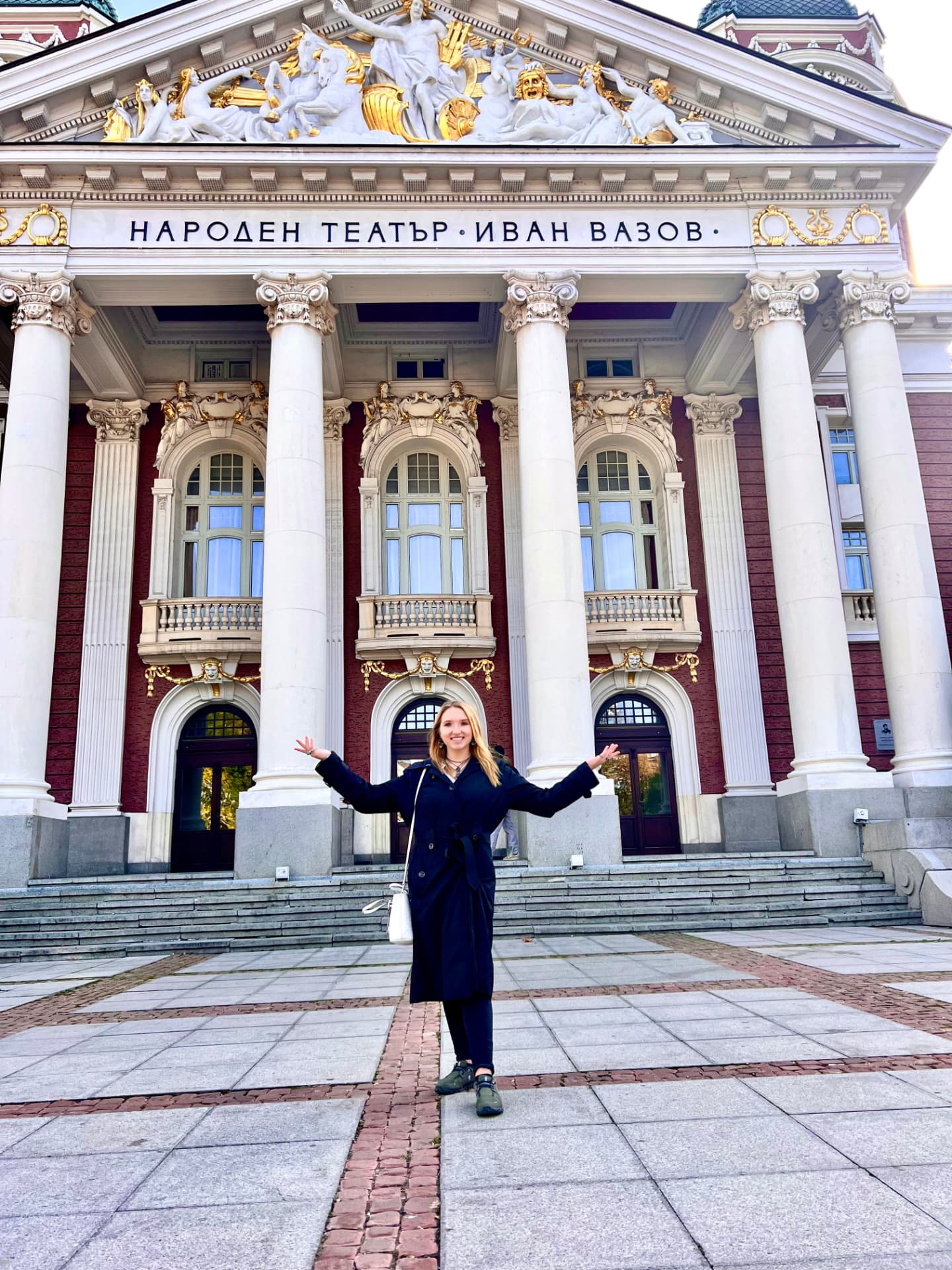
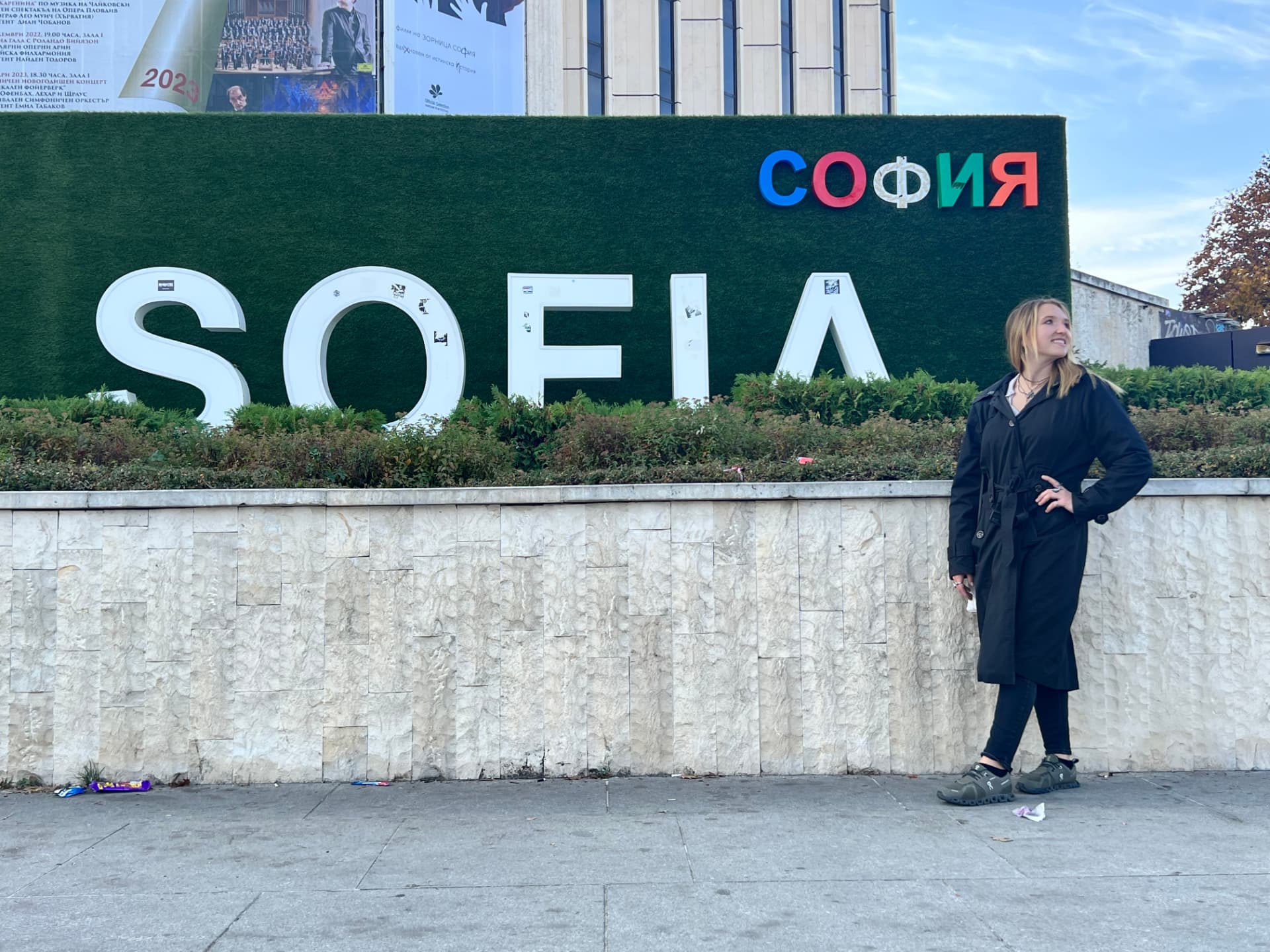
A foodie walking tour in Sofia turned into a lesson on why Bulgarian meals refuse to be rushed, from a yogurt bacterium with its own scientific legacy to a salad shaped like a flag.

A conversation with sustainable travel blogger Lotte, plus real data on where tourist spending actually goes, on why the cheapest travel choices are often the most sustainable ones.

AI and social media don't personalize travel planning. They pattern-match it. Here's why thousands of people are booking your exact itinerary this month.

Typing a prompt feels like building your own trip. Research on the IKEA effect and the illusion of co-creation explains why that feeling is misleading, and what to do instead.

International arrivals hit 1.52 billion in 2025. What's actually changing isn't how many places people visit. It's what counts as worth visiting at all.

Some passports open more than 190 countries visa-free, others fewer than 30. What passport privilege means, and what to do with it once you notice it.

A destination can go from trending to off-limits overnight. Here's what political instability actually does to local economies, cultural exchange, and how to travel ethically through it.

Remote workers move abroad for culture and often reshape it. Kiara on the digital nomad paradox, expat bubbles, and how to stay without becoming the problem.

Europe's new travel authorization system keeps getting delayed, now expected in 2027. The bigger story isn't the paperwork. It's what digital borders quietly assume about who can navigate them.

Cultural travel is becoming a buzzword slapped onto trips with none of the substance behind it. A framework for what responsible travel actually requires: preparation, presence, and participation.

Paris flushed the Seine, hid its scaffolding, and put on its best face before the 2024 Olympics. A conversation about what that reveals about every destination, all the time.

A Javanese mask performance that once ran for hours now runs for one. A Moldovan grandmother taught her a family recipe for free. What actually separates curated culture from the real thing.

Public transit instead of Uber. A homestay instead of a hotel. A popular checklist claims these choices define a "traveler." What they actually measure, and what they leave out entirely.

The assumption is that guided tours are shallow and self-planned trips go deeper. A newer traveler's honest pushback on that idea, plus the psychology of building travel confidence.

Language retreats, cooking intensives, and craft workshops are booming. Here's the real research behind skillcations, and the line between genuine immersion and another certificate to post.

A hotel begging you to reuse your towel while blasting the AC 24/7 isn't a sustainability program. It's a marketing trend called eco-theatrics, and here's how to actually spot it.

In 1946, twenty beavers were released into Tierra del Fuego to start a fur trade. Nearly 80 years later, that decision is still reshaping how a conversation with a 20-year travel podcaster about visiting Patagonia responsibly has to start.

A conversation with sustainable travel creator Sivan on why ecotourism, charity travel, and community-led tourism get treated as interchangeable when they're actually three very different things.

The photo-taking-impairment effect and research on algorithmic filter bubbles explain why performative travel disconnects people from the experience they paid for.

A ski town of 1,500 people took in 10,000 extra visitors after one TikTok video. Here's how the phrase "hidden gem" fuels overtourism, and what to call a place instead.

A trail goes from two hikers a day to over a hundred. A waterfall closes for five years. The real driver isn't crowds copying crowds, it's a single engagement stat the algorithm is built to reward.

Parasocial trust, information cascades, and the strength of weak ties explain why the spot an influencer shows you isn't hidden, and why a local's tip with zero proof is worth more.