Travel Is Booming. The Bucket List Is Dying.
International arrivals hit 1.52 billion in 2025. What's actually changing isn't how many places people visit. It's what counts as worth visiting at all.
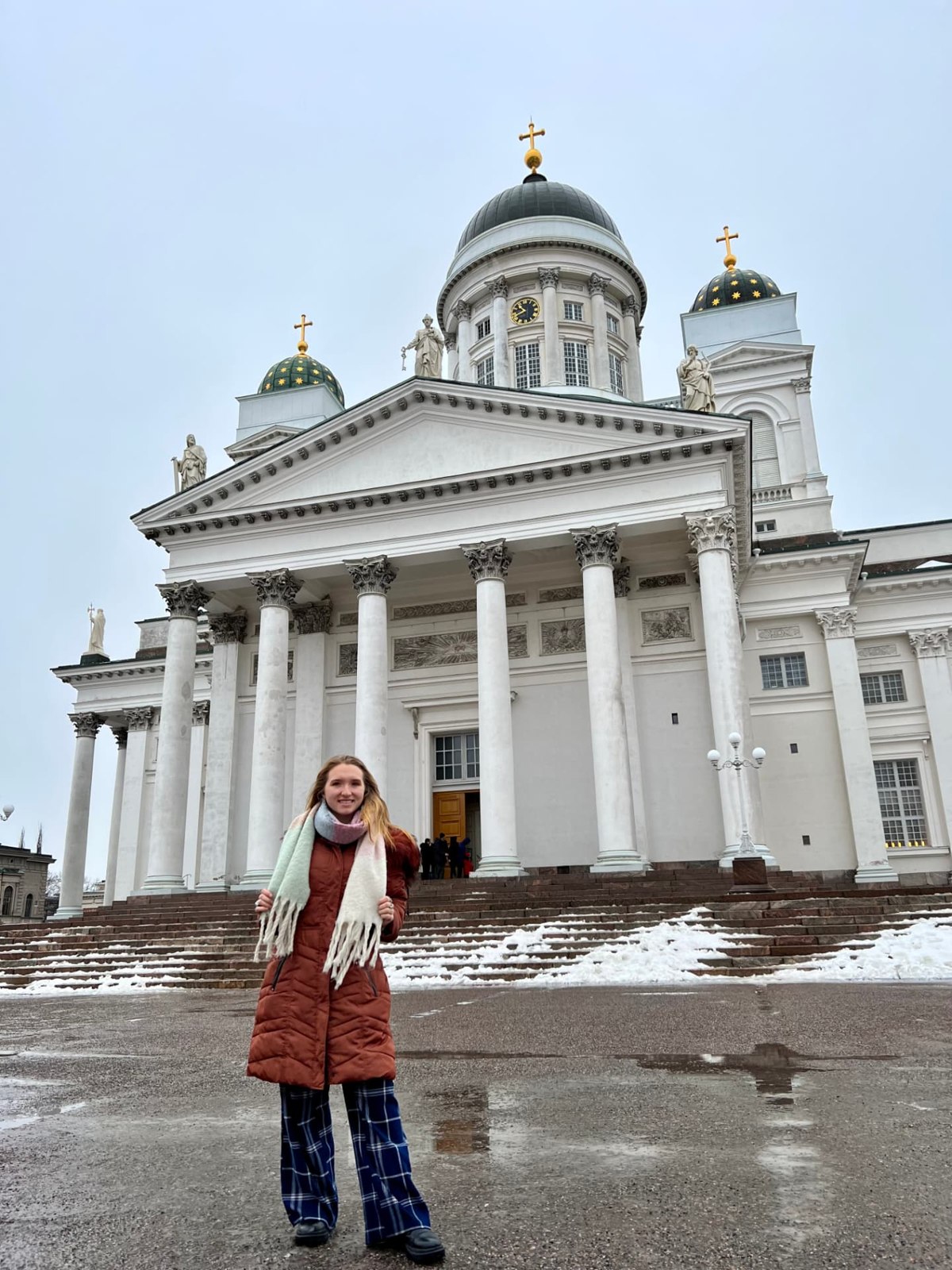
International arrivals hit roughly 1.52 billion in 2025, up 4 percent year over year, and travel demand shows no sign of slowing into 2026. That number tells almost nothing about what's actually changing. More people are traveling than ever, and increasingly fewer of them are measuring the trip by how many landmarks got checked off along the way.
Travel trend data for 2026 points to one underlying shift: depth is overtaking volume. Slower stays, community-led experiences, and skill-based travel are replacing the multi-city checklist model, driven by travel fatigue with cookie-cutter itineraries and a growing preference for experiences that can't be replicated by simply booking the same tour everyone else booked.
A Wine Day That Explains the Whole Shift
Every October, for two days, Moldova's capital Chișinău fills its main square with over one hundred wine producers, from large commercial vineyards to small family operations, all showcasing their harvest for National Wine Day. A thirty-dollar passport book buys roughly thirty tasting tickets. There's live music, dancing, local craft vendors, and a specific, unmistakable sense that the entire city has organized itself around one shared cultural moment rather than around visitors passing through it.
It took a full year of living in Moldova before that event even showed up on the radar, mostly because the country's tourism board still doesn't have deep search visibility. Once found, it became something planned around every year afterward, not because a guidebook recommended it, but because it delivered something no landmark tour could: an entire community, at once, doing the thing it actually loves. That's the difference travel data keeps trying to capture in percentages: the trip built around a place's own calendar tends to outlast, by a wide margin, the trip built around a list somebody else compiled.

From Checklist to Calendar
The clearest trend line in current travel data is the shift from checklist tourism toward slower, more immersive stays. Fewer travelers are booking five cities in seven days. More are booking one city, or one region, for long enough to actually build something resembling a routine there: a regular cafe, a familiar market stall, a sense of how the place actually moves day to day rather than how it photographs.
Community-centered tourism has grown alongside it, no longer a fringe interest but something increasingly mainstream: travelers booking directly with local artisans, learning traditional crafts from families who've practiced them for generations, or simply choosing a home-cooked meal with a host family over a $120 ticket to look at a building from a roped-off distance. A pottery workshop run by a family with generations of history in the craft delivers a souvenir with an actual story behind it, along with real conversation and connection that a gift shop purchase never will.
When Experience Becomes the Product
Not every version of this trend stays grounded. Airbnb-style "experience" listings have exploded well beyond craft workshops and cooking classes into stranger territory: a UK bar host who dresses as a wizard, complete with themed programming and full audience buy-in, went viral purely for how far the concept was willing to go. It's a long way from a pottery studio, and it's worth naming honestly: not every "experiential" booking is actually about cultural depth. Some of it is simply a more elaborate form of entertainment wearing the same label.
The distinction worth holding onto is what the money and the memory attach to. A workshop run by a family whose livelihood depends on that craft strengthens something real in a local economy and a cultural tradition. A themed bar night, fun as it might be, is closer to dinner theater than cultural exchange, regardless of what category it gets filed under on a booking platform. Both can be enjoyable. Only one is actually doing what "experiential travel" claims to be about.

What's Driving the Shift
Some of this is straightforward fatigue. The same hop-on-hop-off circuit, the same landmark photo, the same overcrowded, overpriced tourist trap has simply gotten old for a large share of travelers, especially those who've watched enough identical travel content to recognize the pattern instantly. Some of it is a growing wariness of AI and algorithm-driven recommendations specifically, a recognition that the fastest answer to "what should I do here" is rarely the most original one, and that actual research, an old-fashioned search engine, a conversation with a local, a tourism board's own event calendar, still outperforms a generated list.
And some of it is simple economics: community-led experiences are frequently cheaper than the polished tourist alternative, not more expensive, which undercuts the assumption that meaningful travel requires a bigger budget rather than a different set of choices.
What This Looks Like in Practice
None of this requires weeks in one place to work. A single evening spent in a genuinely local spot, off the English-only menu, on public transit instead of a car booked through an app, produces more real texture than an entire day spent efficiently moving between five ranked attractions. Checking a destination's own event calendar before locking in travel dates, the way a wine festival or a harvest celebration might reshape an entire itinerary, does more for authenticity than any curated "hidden gem" list ever could.
The bigger shift isn't really about where to go. It's about what a trip gets measured by afterward: a country counter climbing, or an actual memory of what a place felt like from the inside, even if that memory is just one long conversation with a stranger at a wine stall in a city square in October.
Listen to the full episode
Frequently Asked Questions
What are the biggest travel trends shaping 2026?
Current travel data points to slower, longer stays replacing multi-city itineraries, a mainstream shift toward community-led and artisan-based experiences over standard tourist attractions, and growing skepticism toward AI-generated travel recommendations in favor of independent research.
How many people traveled internationally in 2025?
International tourist arrivals reached an estimated 1.52 billion in 2025, a 4 percent increase over 2024, according to UN Tourism, with continued growth expected into 2026.
What is community-led or community-centered tourism?
Community-centered tourism involves travelers engaging directly with local artisans, culture bearers, and small businesses, such as craft workshops or home-cooked meals with host families, rather than booking through large international tour operators or attractions.
Is experiential travel always more meaningful than traditional sightseeing?
Not automatically. While experiences tied to genuine local livelihoods and traditions, like a family-run pottery workshop, tend to create real cultural and economic value, some "experience" bookings are closer to novelty entertainment than authentic cultural exchange, regardless of how they're marketed.
How can travelers make a short trip feel more meaningful without extended time in a destination?
Checking a destination's local event calendar before booking, seeking out non-touristy neighborhoods and public transit, and prioritizing a few genuine conversations over a packed sightseeing itinerary can all deepen even a short visit without requiring an extended stay.