You Moved Abroad for the Culture. You Might Be the Reason It's Disappearing.
Remote workers move abroad for culture and often reshape it. Kiara on the digital nomad paradox, expat bubbles, and how to stay without becoming the problem.
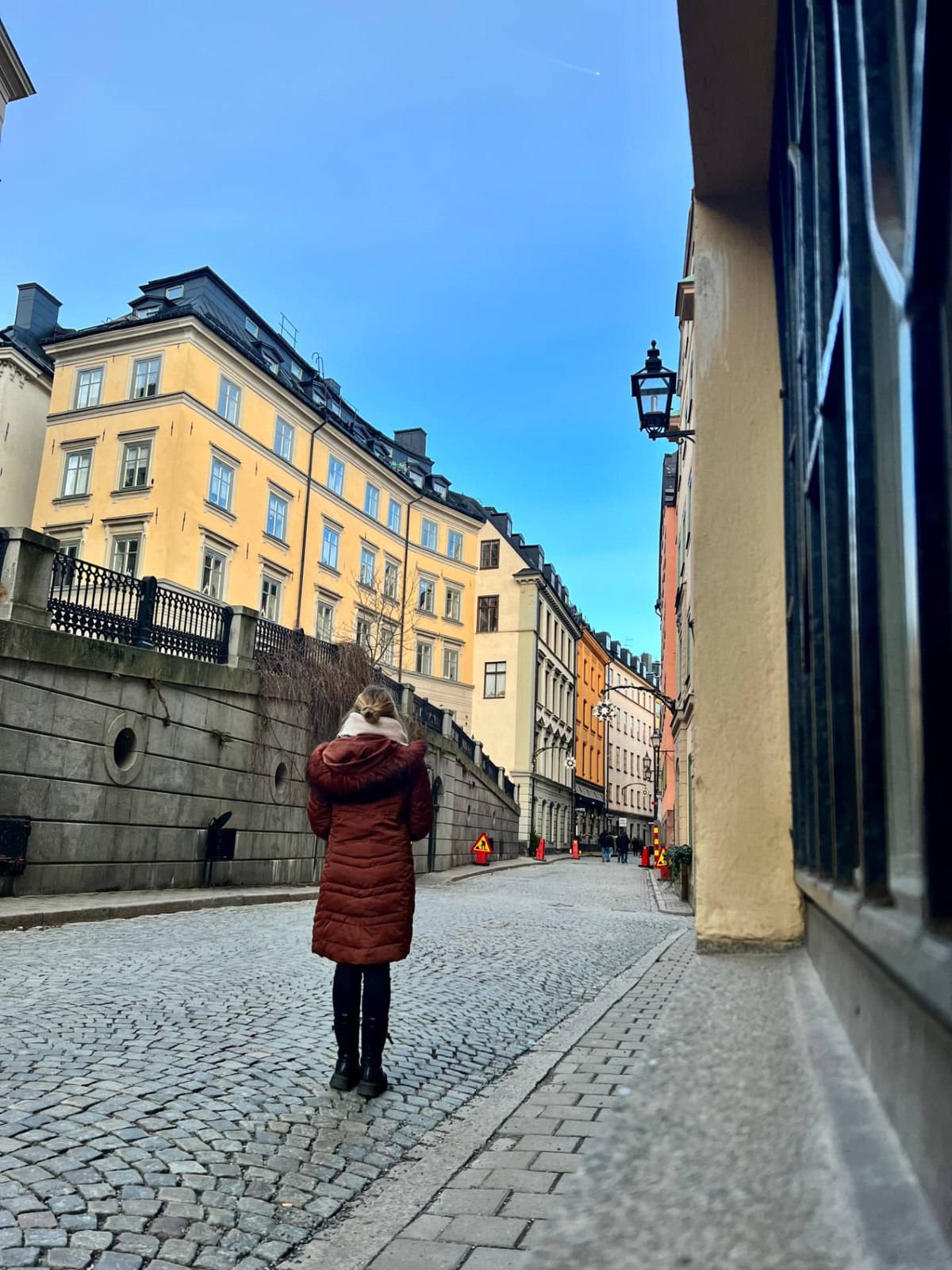
Move somewhere for the culture. End up living in an apartment owned by a foreign investor, working from a cafe full of other remote workers, speaking mostly English. That's not a hypothetical. It's the default shape of digital nomad life, and it raises an uncomfortable question: is that experiencing the place, or recreating a familiar world inside it?
Digital nomads are searching for authentic culture while often contributing to making places less authentic. Reporting from hotspot cities like Mexico City and Lisbon ties housing pressure in nomad-heavy neighborhoods to short-term rentals priced for foreign visitors. The core issue isn't nomadism itself. It's unregulated, extractive travel behavior.
The Paradox
Digital nomads get marketed as cultural explorers, global citizens, economic contributors. Governments design visas specifically to attract them. And there's a real case for the benefit: money spent locally, local hires, destinations promoted to a global audience through their content.
So here's the uncomfortable question. If digital nomads are this beneficial, why are locals protesting them in Lisbon and Mexico City? Why have some governments started closing nomad visa programs rather than expanding them? Why are Barcelona residents spraying tourists with squirt guns?
The people searching hardest for authentic culture are often the ones making places less authentic.
What the Reporting Actually Shows
A September 2022 Thomson Reuters Foundation report from Mexico City found residents of Juárez, Roma, and Condesa describing gentrification that they say prices local families out of their homes and leads to evictions, as landlords let properties to foreigners through Airbnb at higher rates. The report's own analysis of Inside Airbnb data put the average listing at roughly $72 a night, while 95 percent of Mexican workers earn less than about $26 a day.
Lisbon tells a similar story. The same report cites researchers estimating that short-term rental listings make up more than half of all residential properties in the central Santa Maria Maior district, and notes that Lisbon and Mexico City ranked as the world's third- and fourth-least liveable cities when local rents are set against local wages, even though both stay relatively affordable for anyone earning income from abroad. It also quotes local voices who argue that nomads are not the sole cause and that the missing piece is policy.
Three Ways the Erosion Actually Happens
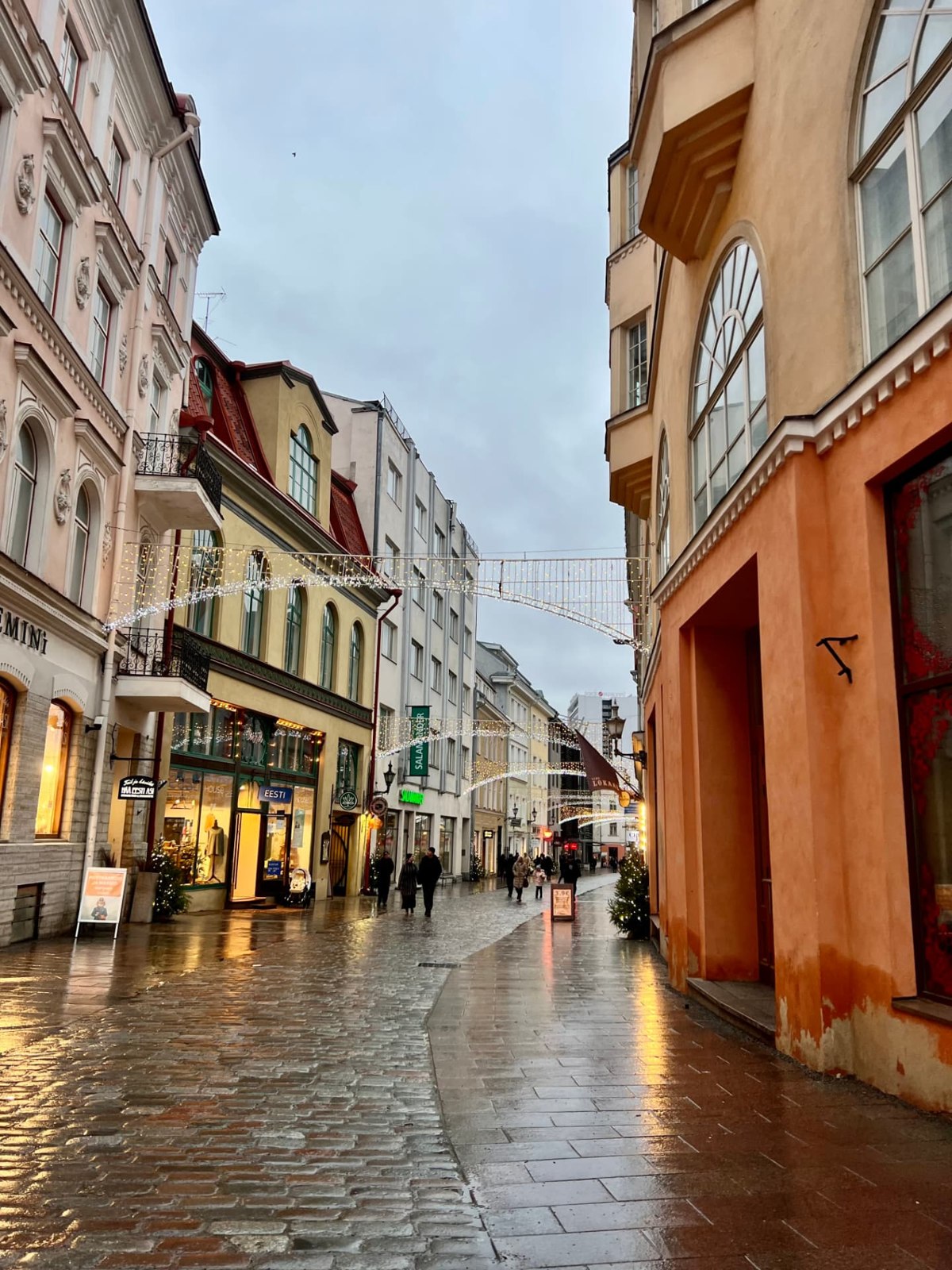
Gentrification and cost of living come first. When foreign-owned platforms and property investors move in to serve remote workers specifically, pricing shifts to match what nomads can pay, not what locals earn, and entire neighborhoods reshape around foreign tenants.
Cultural bubbles come second. Most digital nomads don't integrate. They aggregate. Co-working spaces, expat groups, and nomad hubs cluster people with the same language and background together, which removes the friction that would otherwise force real engagement with the local language and community. Some co-working spaces in Indonesia require proof of remote income just to apply, screening for foreigners by design.
Lifestyle exporting comes third. Instead of nomads adapting to where they've landed, destinations start adapting to nomads. English-first menus in non-English-speaking countries. Western-style cafes replacing local ones. The place stops shaping the traveler and starts getting reshaped by them.
When the Guide Won't Go Off Script
On a trip through Bali, coming from a research stay in Java, pushing a local tour guide to go beyond the standard highlights turned into a wall. Every request for something less curated came back with more of the same photogenic stops, the ones already flooding every nomad and influencer feed. Asking why revealed the real answer: there wasn't demand for anything else, so the company didn't build for it. The tours exist to be photographed and shared, which pulls more visitors toward the same six spots, which reinforces the demand for exactly those spots. Authenticity becomes a product, then a pattern, then the only thing on the menu.
That pattern showed up again while researching tourism's impact on cultural preservation policy in Indonesia. There were, functionally, no real regulations governing how tourism development interacted with local culture and language preservation. The industry was building faster than any policy could track it.
It's Not All Extraction
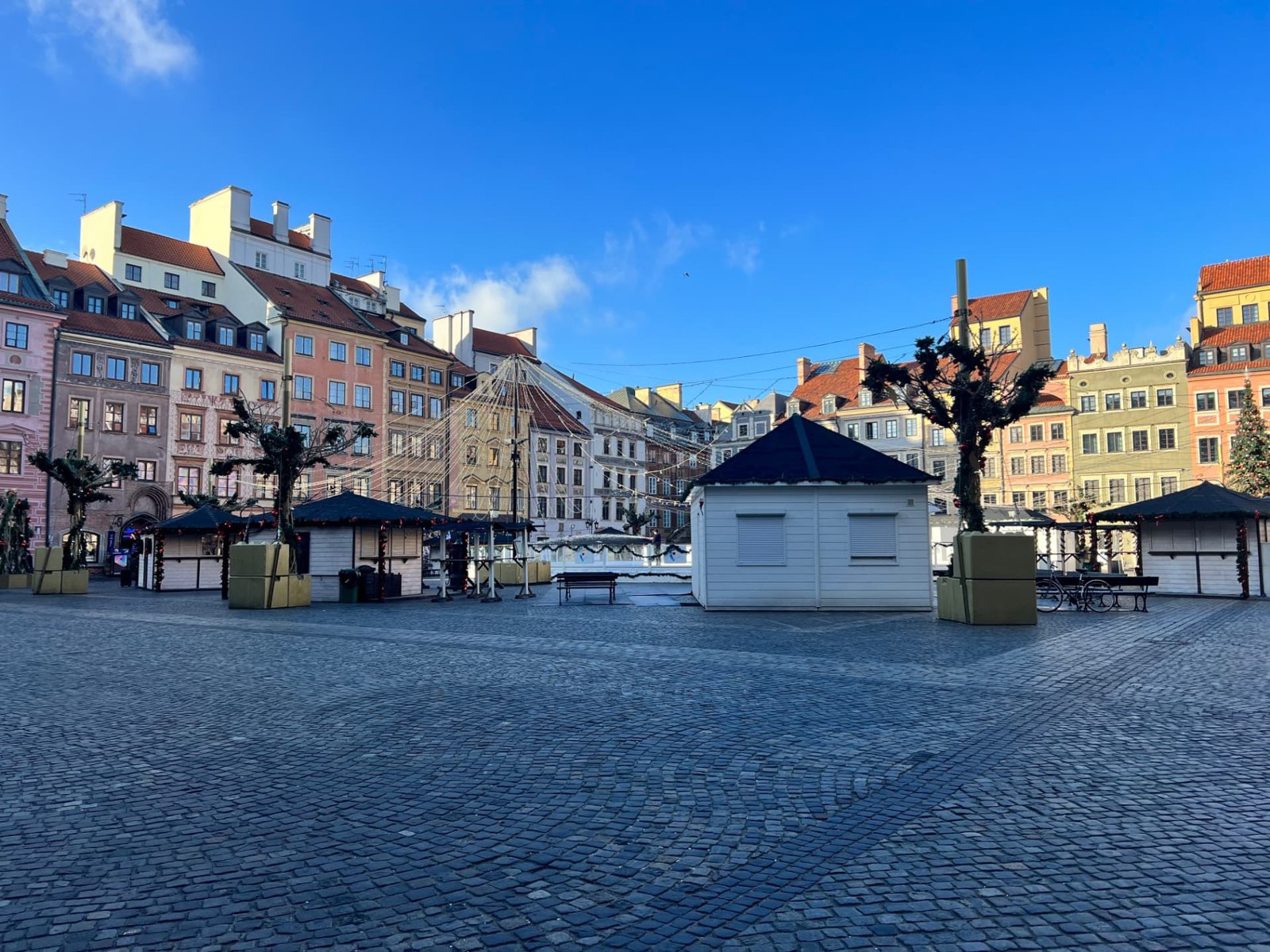
None of this makes digital nomadism inherently harmful. In Malang, a group of students led an effort to revitalize a cluster of struggling local villages, repainting one entirely in rainbow colors, branding others around ceramics, music, and local arts. The goal was partly to attract visitors, but the actual effect was preservation: cleaner infrastructure, renewed local pride, new attention for crafts that were fading out. Both locals and visitors benefited. New businesses opened. Cross-cultural exchange produced genuinely new ideas.
Governments design nomad visas for a reason, and the economic case is real: local hiring, tourism revenue, paths to residency for people who actually put down roots. The problem was never digital nomads existing. It's digital nomads existing without any friction, any regulation, any requirement to actually engage with where they've landed.
The Question That Actually Matters
Staying somewhere longer doesn't automatically mean connecting to it more deeply. Someone can live in a city for two years inside a bubble and know it less than someone who has one real conversation on a two-day layover. Immersion was never about proximity. It's about participation.
Before booking the next destination, or the next month-long stay: is this contributing to a place, or just consuming it more slowly? Who actually benefits from this presence? If everything got packed up tomorrow for a different city, would the day-to-day change at all, or would it look exactly the same somewhere else?
If the honest answer to that last one is "nothing would change," that's the bubble talking, not the place.
Listen to the full episode
Frequently Asked Questions
Are digital nomads ruining local culture?
Digital nomads aren't inherently harmful, but unregulated, extractive travel behavior can be. Nomads are often blamed for rising rents and cultural homogenization in hotspot cities, and locals in places like Lisbon and Mexico City have protested the housing pressure that short-term rentals aimed at remote workers can create.
Why are locals protesting digital nomads in cities like Lisbon and Mexico City?
Protests have emerged in response to rising cost of living, housing displacement, and the conversion of long-term local rentals into short-term rentals aimed at remote workers, which locals say prices them out of their own neighborhoods.
What is the digital nomad paradox?
The digital nomad paradox describes how people who travel specifically seeking authentic local culture often contribute to eroding that same authenticity, through gentrification, cultural bubbles, and destinations reshaping themselves around foreign visitors rather than the reverse.
How can you be a digital nomad without contributing to gentrification?
Practical steps include avoiding co-working spaces and expat-only housing, choosing neighborhoods where locals still live and can afford to stay, learning the local language, spending intentionally at local businesses over international chains, and engaging deeply regardless of how long the stay is.
Do digital nomads bring any real economic benefit to local communities?
Yes. Research points to genuine local economic stimulation, job creation, revitalization of overlooked neighborhoods, and increased tourism revenue when digital nomad activity is spread through local businesses rather than concentrated in foreign-owned platforms and enclaves.