I've Been Making the Wrong Show
Five years of guides, an app and a podcast answered where to go. Here is the question they never asked, and what research says about who comes back.
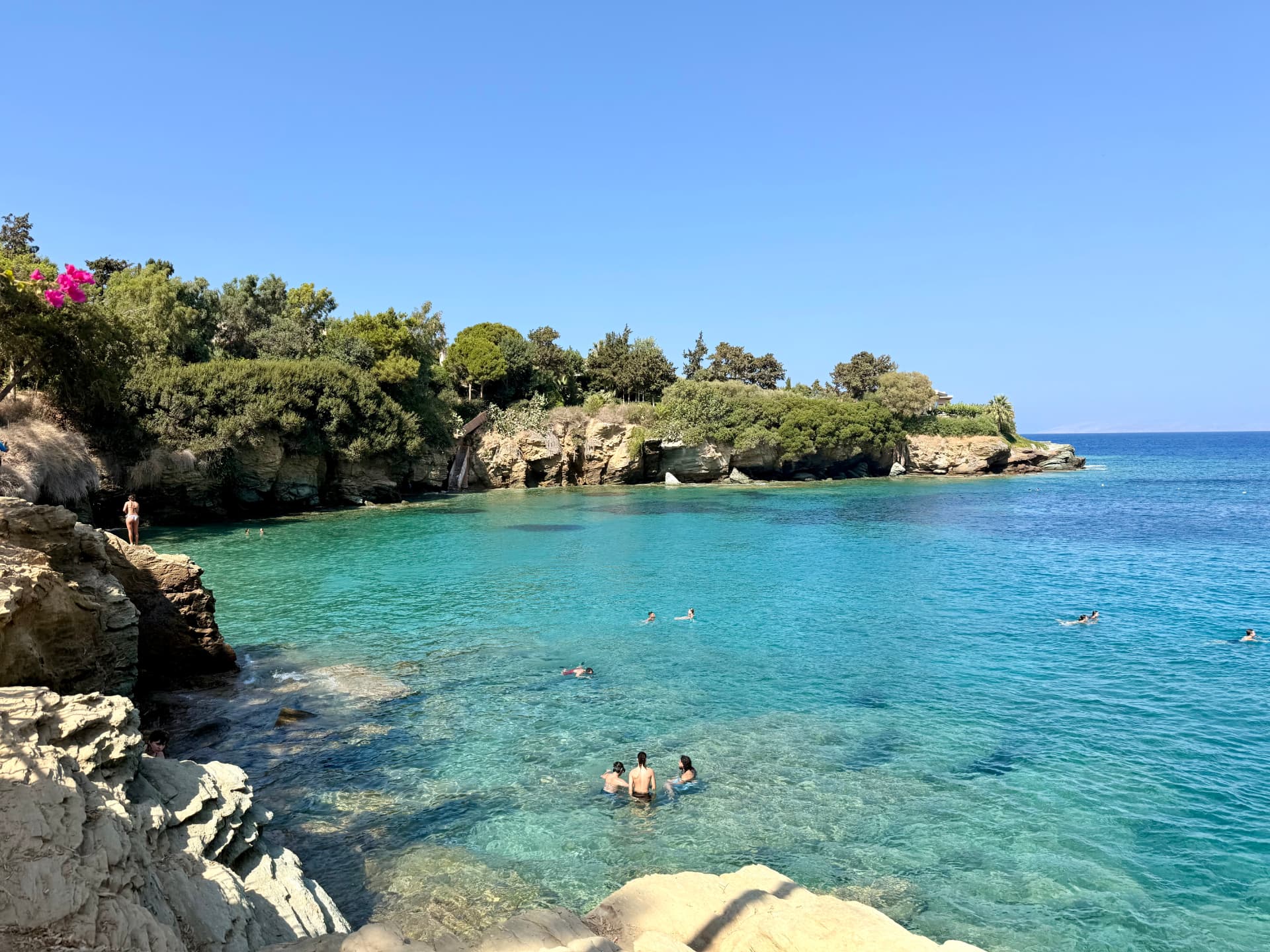
For five years, every answer I gave about travel started with where. Travel guides on a personal blog, then an app built around cultural travel, then a podcast that grew out of both. Travel like a local, not a tourist. Learn the language. Skip the influencer itineraries. Good advice, as far as it went. It never asked what any of it does to the person doing it.
Put the Guidebook Down spent five years answering where to go and how to travel more meaningfully. It never asked why travel changes a person at all. Research on young adults who live abroad suggests it does, measurably, and that the biggest driver is the new relationships people form. That question is now the whole show.
Advice Was Never the Interesting Part
Destination guides and ethical-travel tips answer questions anyone can get answered in a search. They also never explained what actually resonated. The moments people wrote back about were never itineraries. They were small and strange: why someone comes home from Lisbon a slightly different person and still thinks more about a ten-minute conversation with a stranger in a Serbian market than about the people they talk to every day. Why a place can feel like part of you after a week.
Those were the real questions the old show kept circling without landing on. Cultural travel content was the closest existing label for what resonated, but it was never really that.
Two Countries, Same Result
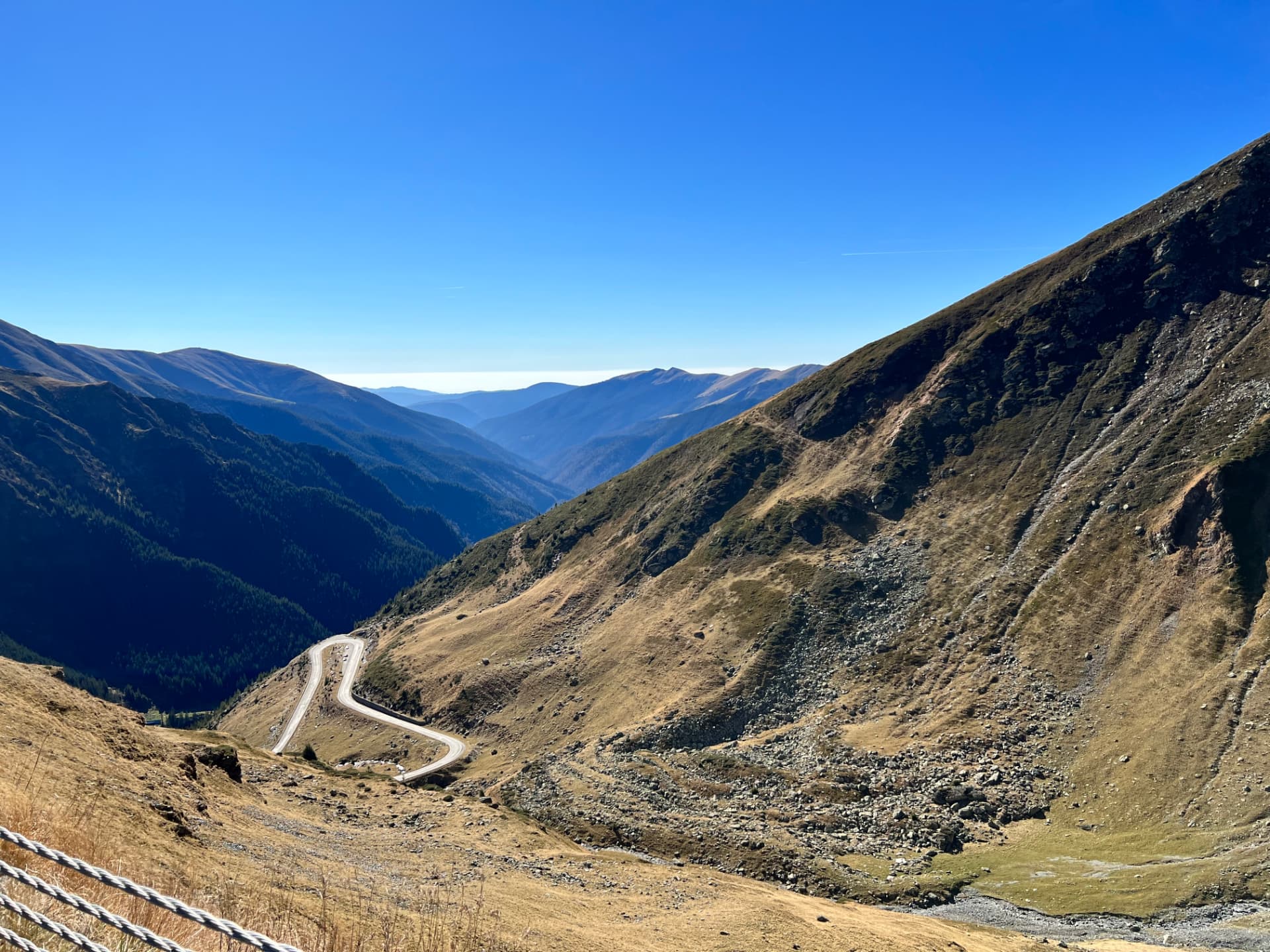
A Fulbright English Teaching Assistant grant led to a small town in Moldova, a full jump into the unknown after leaving a job behind. Romanian came within months, not from any particular gift for languages, but from stopping the observing and starting the living-within. A couple of years later the same thing happened again in Malang, Indonesia. Different language, same result.
What changed both times had nothing to do with vocabulary. Coming back meant sitting with silence differently, noticing what used to get walked past, and arriving home changed in a way no destination guide could have predicted or explained.
What the Research Says About Who Comes Back
That feeling has been measured. A large longitudinal study of young adults, led by psychologists Julia Zimmermann and Franz Neyer, followed students before and after time abroad. Both short and long stays were associated with increases in openness and agreeableness and a decrease in neuroticism, and the new international relationships people built largely accounted for the change.
Two honest limits apply. It is a study of students, not of every traveler, and it describes averages, so it says nothing about what any one trip will do to any one person. What it does say is that the old assumption, that travel is mostly scenery, undersells what happens. If travel changes people mainly through the people they meet and the person they have to become to meet them, then where they go was always the smaller question.
The Episodes That Already Were This Show
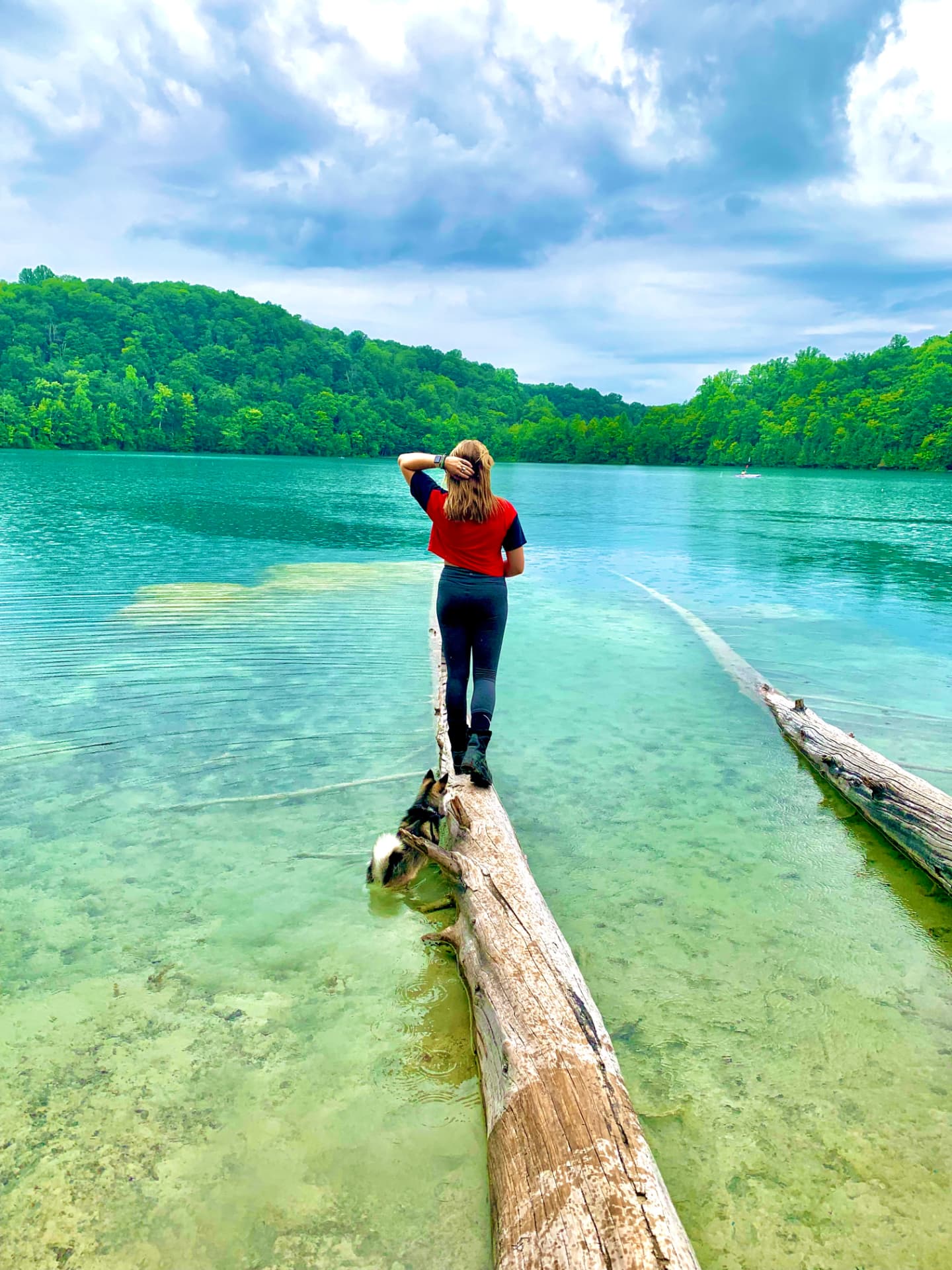
A handful of earlier episodes were already circling the real thesis before anyone, including the person making them, noticed. The loneliness paradox: how a traveler can be surrounded for a whole trip and still feel completely alone. Performative travel: what happens when documenting a place quietly replaces the experience it was meant to capture. Passport privilege: how unevenly the world hands out even the freedom to ask these questions.
Every one of them was about the same thing: what travel does to memory, to identity, to how present a person can be. They were never about the places. They were about the psychology underneath the places.
There was also a harder pattern to ignore. Major travel companies began selling "local experience" packages, learn the language, eat what locals eat, as a tour add-on. It is a real shift toward depth. It is still a list. It still answers where and how, dressed up as why.
What Changed
Every episode is now built as one essay around one question and one piece of named research. No itineraries and no top-ten lists. The three subjects the show covers, and the background of the person making it, are on the About page. If advice is what you came for, this was probably never the right show.
The Homework, Instead of a Preview
Go into the memory archive and find a place still thought about often, maybe more often than seems reasonable. Ask honestly why that place or moment keeps coming to mind. Then ask the better question: who was that, in that specific moment.
Frequently Asked Questions
What is modern travel psychology?
Modern travel psychology is an approach to travel content that treats travel as evidence for understanding human behavior, memory, and identity, rather than treating the destination itself as the subject.
Does travel actually change your personality?
Research suggests it can. A longitudinal study of young adults found that time abroad was associated with increases in openness and agreeableness and a decrease in neuroticism, largely accounted for by the new international relationships people formed. The sample was students and the findings describe averages, so they do not predict the effect of any single trip.
Why did the show move away from cultural travel content?
Cultural travel content answered where to go and how to travel more meaningfully, but never addressed why travel changes people psychologically in the first place, which became the actual focus once the pattern was noticed across earlier episodes.
Where can I learn who makes Put the Guidebook Down?
The host's background, including two Fulbright grants in Moldova and a Boren Fellowship in Indonesia, is on the About page at /about.