Nobody Knew My Name
Self-expansion theory, construal level theory, and identity process theory explain why the self that shows up abroad feels truer, and why that same freedom can turn into isolation.
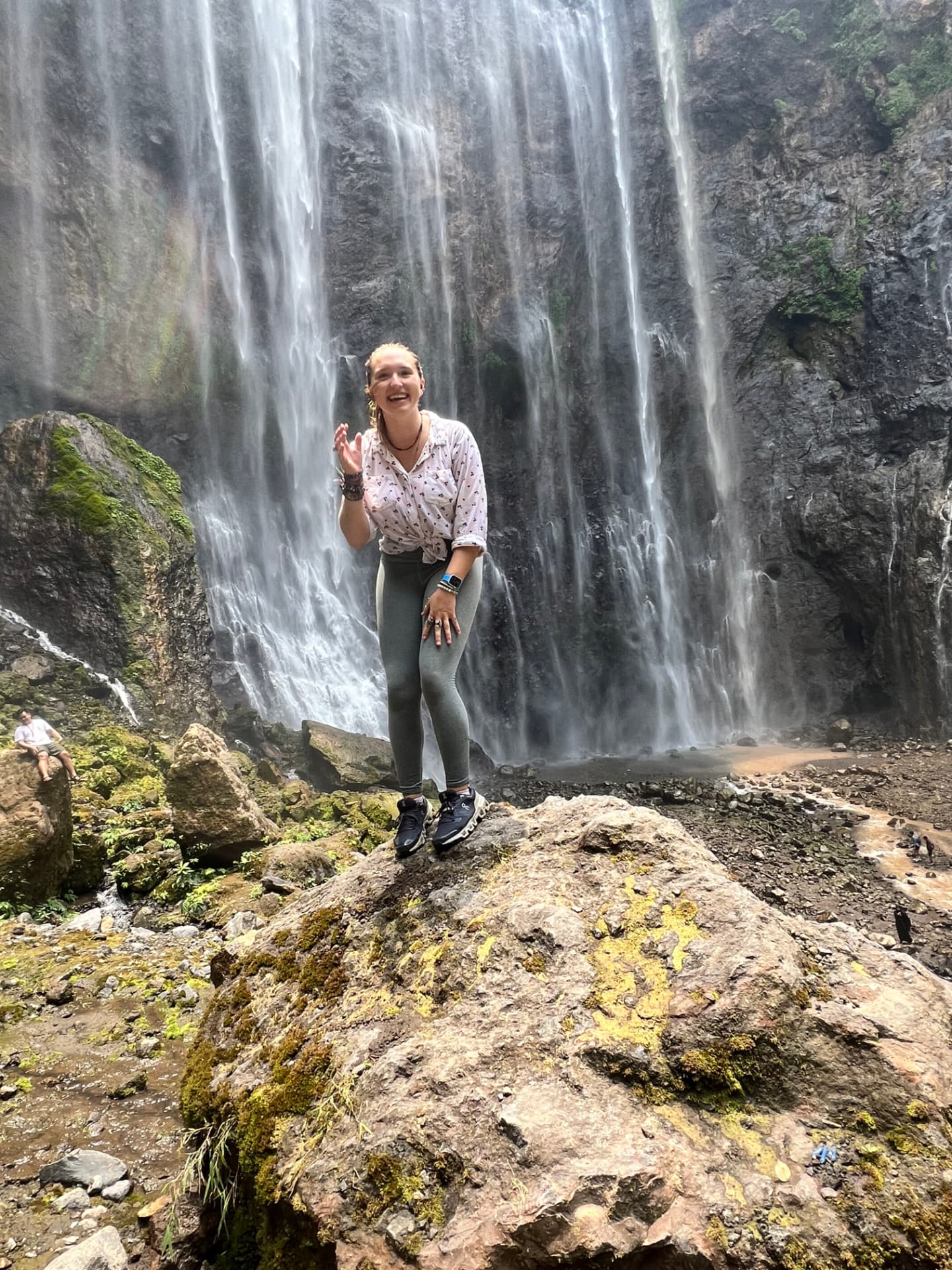
You didn't find a truer self on that trip you keep thinking about. You built one. It happened somewhere between the airport and the second or third stranger who asked for your name that week, and there's a real chance you like that version of yourself more than the one you went home to.
The self that shows up abroad doesn't feel more true because it's more real. It feels more true because the scaffolding that normally holds a narrower version of you in place, coworkers, family, routine, isn't there to hold it. That's not discovery. That's construction, and it comes with a cost most travel content leaves out.
The Stakes
"Travel changes you" is the most repeated sentence in the entire travel category, printed on throw pillows and never once asked to show its work. Changes you into what? Changed by what, exactly?
The less romantic answer: nobody becomes a wholly new person abroad. What surfaces is whoever gets built with no one around to correct it, or to notice it's not how someone usually acts. That was always there. It just wasn't visible at home.
Christmas Alone in Scandinavia
In 2022, early into living abroad in Moldova, a solo trip through Scandinavia over the holidays landed on a tour group mostly made up of couples and families, with only a handful of other solo travelers. People joined and left at different stops, so the group kept shifting, which meant introducing "so where are you from, what do you do" over and over, each time with a slightly more open version of the story.
That was the first half of the trip. The second half hit over Christmas and New Year's, when most businesses in Scandinavia ran on a skeleton schedule, the couples and families had each other, and the solo travelers had only each other, whether or not they actually got along. The trip stopped being about reinvention and started being about how alone it's possible to feel while surrounded by people being perfectly friendly.

Three Mechanisms, One Trip
Self-Expansion Theory
Developed by researchers Arthur and Elaine Aron, self-expansion theory holds that people are motivated to grow their sense of self by taking in new experiences, perspectives, and relationships. Novelty isn't just enjoyable, it functions as a growth mechanism, and it's one of the most consistent drivers of excitement in new experiences generally. That's the part nobody warns you about when they say you'll meet so many people traveling: it's exciting because a person is genuinely expanding, rapidly, in a way that almost never happens once life is settled.
Construal Level Theory
Developed by psychologists Yaacov Trope and Nira Liberman, construal level theory explains why the version of someone abroad can feel more like the "real" them. The core idea: the more psychologically distant something is, the more abstractly and idealistically it gets thought about. Up close, thinking runs in specific, situational terms, deadlines, routines, small daily compromises. At a distance, that specificity falls away, and what's left looks more like who someone wants to be than who their context has been quietly shaping them into. That's the entire mechanism behind "I felt more like myself abroad." Not a truer self waiting underneath. Distance stripping away the situational detail that normally keeps a narrower version of someone in place.
Identity Process Theory
Developed by psychologist Glynis Breakwell, identity process theory is the framework for the part travel content usually skips. It describes how identity gets regulated by core principles, self-esteem, continuity, a stable sense of who someone is, and what happens when something disrupts them: identity threat. Breakwell's research also documents how people cope with that threat, and one of the most common responses is one she names directly: self-isolation.

Reinvention and Isolation Are the Same Door
Pulling back during the loneliest stretch of that Scandinavia trip instead of reaching out to the other solo travelers wasn't a personal flaw. It's a documented, common coping response to identity threat. The same absence of scaffolding that let a freer version of someone surface is the same absence that leaves nobody checking in when that version needs help.
Reinvention and isolation turn out to be the same door. Nobody walks through one without the other standing right behind it. That doesn't mean the trip wasn't worth it. It means "travel lets you become who you really are" is a half sentence being sold as a whole idea. The other half: it also removes the people who'd have noticed if the new version needed help.
What Would It Take to Bring That Version Home
The version of anyone that only exists somewhere far from home is already there, hidden under layers of routine and other people's expectations. The honest question isn't where to go find it. It's what let it surface, what was actually happening in that moment, and what it would take to find that pathway back without needing to leave again.

Listen to the full episode
Frequently Asked Questions
Why do I feel like a different, better version of myself when traveling?
Construal level theory explains that psychological distance strips away the situational detail, routines, job titles, established expectations, that normally keeps a narrower version of a person in place, so what surfaces abroad looks more idealized without being a "truer" self.
What is self-expansion theory?
Self-expansion theory, developed by researchers Arthur and Elaine Aron, holds that people are motivated to grow their sense of self through new experiences, perspectives, and relationships, which is why meeting many new people while traveling feels like genuine personal growth.
What is construal level theory?
Construal level theory, developed by psychologists Yaacov Trope and Nira Liberman, describes how psychological distance changes thinking from specific and situational to abstract and idealized, explaining why a version of someone abroad can feel more authentic than the version shaped by daily routine.
What is identity process theory?
Identity process theory, developed by psychologist Glynis Breakwell, describes how identity is regulated by principles like self-esteem and continuity, and how disruption to those principles produces identity threat, often met with a coping response of self-isolation.
Why does travel sometimes feel lonely even when surrounded by people?
The same lack of social scaffolding that allows a freer version of someone to surface abroad also removes the people who would normally notice and check in if that person were struggling, which can turn a reinventive trip into an isolating one.