Are You Traveling to Grow, or to Prove You Grew?
Language retreats, cooking intensives, and craft workshops are booming. Here's the real research behind skillcations, and the line between genuine immersion and another certificate to post.
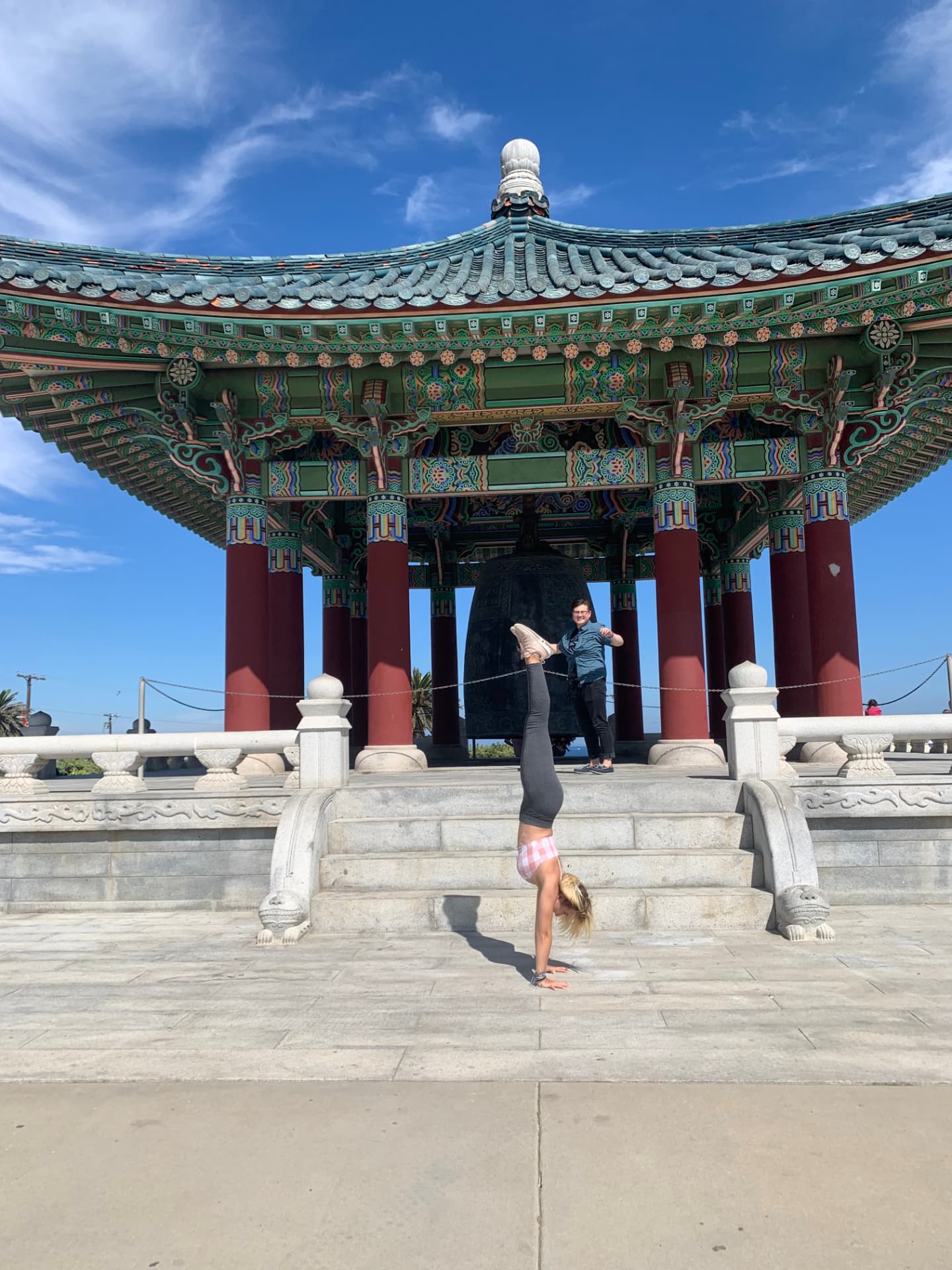
Travel used to be sold as escape. Increasingly it's sold as optimization: language retreats, cooking intensives, photography workshops, conservation programs, all promising not just memories but measurable growth. They're called skillcations, and demand for them is climbing fast. The real question isn't whether they're popular. It's whether they're genuine cultural reconnection, or self-improvement repackaged as another product to consume.
Skillcations, travel built around learning a specific skill or craft, are surging alongside remote work flexibility and a broader cultural shift toward constant upskilling. Done well, they deepen cultural connection more than typical sightseeing. Done poorly, they turn presence into performance, another certificate to add to a profile rather than a genuine exchange with a place and its people.
Why This Is Happening Now
Remote work flexibility changed the shape of travel itself. Research on distributed work has linked flexible arrangements to longer stays and blended work-travel lifestyles, the infrastructure underneath the entire digital nomad rise. Longer stays created room for something sightseeing never asked for: actual participation instead of a checklist of photos.
At the same time, the job market itself started rewarding constant reskilling. Workplace learning research consistently shows younger professionals prioritizing continuous skill development more than previous generations did, treating learning itself as a form of career insurance. Layer social media on top, where "I learned to" content reliably outperforms generic "I went to" travel posts, and skillcations stop being a niche interest. They become a genuinely rewarded behavior, on the algorithm and in the job market both.

Where This Actually Deepens Cultural Connection
Language immersion is the clearest case. Real-world immersion, being surrounded by a language daily rather than studying it in a classroom, reliably accelerates both retention and cultural understanding, because the language never arrives disconnected from the culture producing it. It comes bundled with humor, history, and social nuance no textbook replicates.
There's a real economic upside too. Workshops run by local artisans, cooking classes, wine-making, craft sessions, let small local businesses capture tourism revenue that would otherwise flow straight to larger platforms and international operators. Guesthouses and small food and wine experiences in Moldova run this way: money that stays with the person actually teaching the skill, not a corporate intermediary. And slow travel, staying long enough to actually complete a skill-based program, correlates with higher travel satisfaction and lower burnout than a rushed, landmark-heavy itinerary. One example still on the list, rather than already checked off: joining eagle-hunting traditions on horseback with communities in Central Asia. Not resume material. A way into a culture that a walking tour was never going to reach.
Where It Turns Into Performance
There's a real line between skill-building and self-optimization theater, and it's worth watching for.
Hustle culture creeping into leisure. If staying in one place starts to feel unproductive, or if a program's real appeal is the badge at the end rather than the skill itself, that's the checklist mindset wearing a new outfit.
Credentializing over connecting. A certificate isn't automatically a red flag, some are genuinely earned and meaningful, but it's worth asking directly: is this experience marketed around the connections made, or around the certificate collected?
Access inequality. When workshops get priced for tourists and foreign visitors, local community members can end up priced out of learning their own culture's traditions in the very programs built around them. That's worth sitting with before booking.
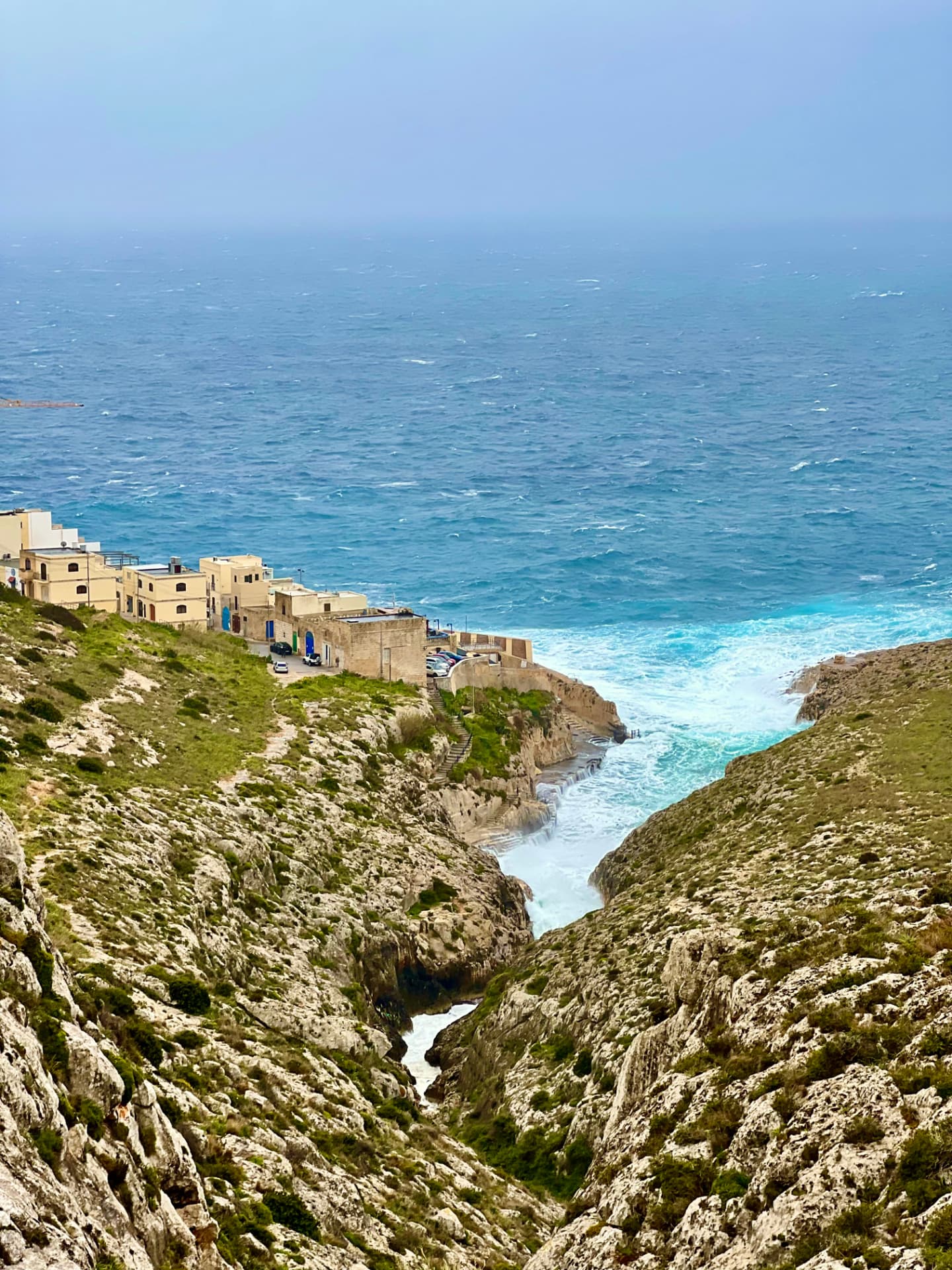
Traveling This Way Responsibly
Learn with, not from. Programs framed around reciprocity and cultural humility, not extraction, tend to actually respect both the traveler and the host community.
Choose depth over efficiency. Five villages explored slowly beats twenty countries rushed through. A skill-based program only works if there's enough time actually in it.
Support community-run programs specifically. Take the extra few minutes to check who benefits from a workshop's fees before booking it, and favor the ones where the community itself controls how its culture gets taught and represented.
Expect to be bad at it first. Growth requires actual humility, mistakes included. A skillcation that only works if perfection shows up on day one was never really about learning.
The Real Question
If every travel experience has to justify itself as productive, something essential gets lost. Not the badge. Not another line for a bio. Just presence, allowed to exist without proving anything to anyone. What would learning look like with no audience watching at all?
Listen to the full episode
Frequently Asked Questions
What is a skillcation?
A skillcation is a trip built around learning a specific skill or craft, such as a language retreat, cooking intensive, photography workshop, or conservation program, rather than traditional sightseeing.
Are skillcations actually more meaningful than typical tourism?
They can be, particularly when built around language immersion, local artisan-led workshops, and slow travel, all of which are linked to deeper cultural connection and stronger local economic impact. They lose that value when they shift toward collecting certificates or content rather than genuine engagement.
Why are skillcations becoming more popular?
Their rise is linked to remote work flexibility enabling longer stays, a broader career culture that rewards continuous upskilling, and social media algorithms that reward "I learned to" content over generic sightseeing posts.
Do skillcations benefit local communities economically?
When structured around locally owned workshops and artisan-led experiences, skillcations can help keep tourism revenue within the local economy rather than routing it to larger international platforms and operators.
What's the difference between a genuine skillcation and performative self-improvement travel?
A genuine skillcation prioritizes reciprocity, cultural humility, and community-run programs, while a performative version tends to emphasize badges, certificates, and content creation over the actual relationships and learning built during the experience.