Everyone Wants Authentic Travel. Almost Nobody Wants the Accountability That Comes With It.
Cultural travel is becoming a buzzword slapped onto trips with none of the substance behind it. A framework for what responsible travel actually requires: preparation, presence, and participation.
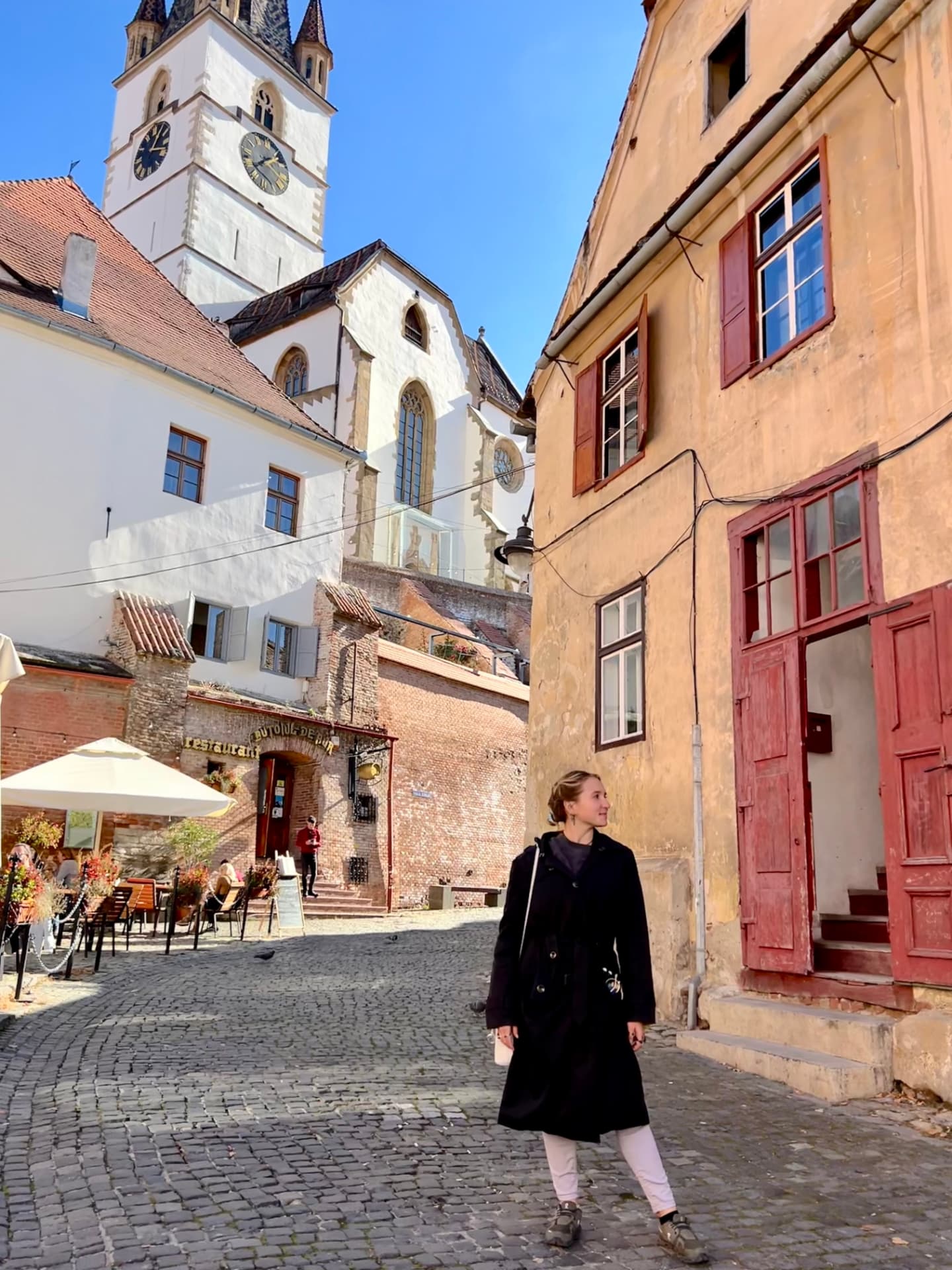
"Authentic" and "immersive" have become two of the most overused words in travel marketing, attached to everything from five-star resorts to guided tours that never leave a curated bubble. The claim gets made constantly. The behavior behind it rarely matches. Travelers want the label of cultural travel, the sense of having done something meaningful, without the actual weight of what that word is supposed to require.
Genuinely responsible cultural travel isn't defined by using the right vocabulary or visiting the right kind of destination. It's built on three concrete practices, preparation before arrival, real presence once there, and thoughtful participation, and it requires taking accountability for impact rather than just claiming good intentions.
The Buzzword Problem
"Authentic" gets deployed constantly now, often by the exact operators and content creators least equipped to back it up. A tour markets itself as immersive while functioning as a scenic backdrop for content. A destination gets labeled a cultural experience while travelers spend the entire visit angling for the right photo rather than engaging with anything happening around them. The gap isn't really about intention. Most people traveling this way aren't acting in bad faith. The gap is between wanting the appearance of depth and being willing to do the actual work depth requires.
That gap has a name worth using directly: wanting authenticity without accountability. Claiming a cultural or immersive label while never examining whether the tour, the guide, or the experience being consumed is actually good for the place hosting it. It's the same dynamic that shows up when a company slaps "eco-friendly" onto a hotel that does nothing structurally different from any other. The label becomes a substitute for the substance rather than a description of it.

Preparation: What You Owe a Place Before You Arrive
Preparation isn't homework. It's the baseline research that makes it possible to move through a place without accidentally causing harm: the country's relevant history, current political context, basic cultural norms, enough language to get by respectfully. Not knowing is no longer a neutral position once travel becomes this accessible. It's a choice, and it has consequences whether or not it was intended to.
A useful version of this in practice: before any trip, building out a section specifically on local greetings, regional art and craft traditions, recent news, and how people in that place actually feel about it, not just the history taught in outside textbooks. That last part matters more than it sounds like it should. Locals will often ask a visitor's opinion on regional politics, not just their own country's. Arriving with some sense of the current context changes that conversation from awkward to genuine.
Presence: Why the Language Barrier Is a Feature, Not Just an Obstacle
Presence starts with the obvious advice: put the phone down. But there's a specific mechanism worth naming underneath that advice. A language barrier, uncomfortable as it can feel, actually sharpens attention. Straining to catch unfamiliar sounds and cues keeps the brain more alert and more absorbent than gliding through an environment everything about which is already legible.
One small, real habit illustrates this well: traveling with multilingual friends and playing an informal game with new acquaintances, working collectively through every language anyone in the group knows until landing on one shared language everyone can actually use. It turns a barrier into a genuine moment of collaborative problem-solving, and it tends to produce far more connection than defaulting immediately to a translation app. Genuine presence also means noticing what's easy to miss when the goal is capturing rather than observing: how a bill actually gets paid at a local restaurant, an unexpected peacock perched in a tree overhead, the small procedural details a phone camera usually scrolls right past.

Participation: Knowing When to Step Back
Participation is often assumed to mean jumping into everything on offer. It doesn't. Witnessing a ritual or ceremony without fully understanding its context is frequently a moment to observe respectfully rather than insert yourself into, particularly when active involvement risks disrupting something that was never designed with an audience in mind. Recognizing the difference, and trusting a local guide's route even when it's the long way, or their pacing even when it feels inconvenient, is its own form of respect. Not every cultural moment is asking to be joined. Some are only asking to be witnessed.
The Discomfort Nobody Advertises
Here's the part travel marketing generally leaves out entirely: genuine cultural travel is supposed to be uncomfortable, and that discomfort is the actual mechanism, not a flaw to avoid. A canceled connection, an itinerary that falls apart, getting food-sick somewhere with no familiarity with the local healthcare system at all, having to figure out a pharmacy or a clinic in a language barely understood, these moments are exactly where the deepest learning tends to happen, not the postcard-perfect stretches surrounding them.
This lines up with a well-documented concept in intercultural research: tolerance of ambiguity, the capacity to function and even thrive inside unclear, unfamiliar situations without needing everything resolved immediately, which research consistently links to stronger cross-cultural adaptation and genuine intercultural growth. The discomfort isn't a sign the trip went wrong. It's frequently the clearest sign it's actually working.
There's a second, quieter discomfort worth naming too: not being treated as special. Some travelers arrive expecting a kind of red-carpet reception simply for being foreign. Just as often, the opposite happens, a place carries on with its own priorities entirely indifferent to a visitor's presence, and that indifference can sting in ways nobody warns you about. Both reactions come from the same root assumption: that the world should reorganize itself around a traveler's arrival. It generally won't, and that's not an insult. It's the actual point of visiting somewhere that isn't built around you.
What This Actually Adds Up To
None of this is about doing everything perfectly. It's about being willing to do things differently than the version of travel optimized purely for a feed: slowing down, listening longer, accepting the role of guest rather than main character. Curiosity, not escape, is the actual goal, seeking to understand people rather than simply passing through their homes on the way to the next photo. That's a much harder standard than claiming the word authentic. It's also the only version of it that actually means anything.
Listen to the full episode
Frequently Asked Questions
What separates genuinely responsible cultural travel from travel that only performs authenticity for content?
Genuine cultural travel involves real preparation, presence, and thoughtful participation, along with accountability for the impact of the tours, guides, and experiences chosen. Performative travel uses the language of authenticity and immersion without examining whether the underlying experience actually benefits the place or people involved.
What is tolerance of ambiguity, and why does it matter for travel?
Tolerance of ambiguity refers to a person's capacity to function well in unclear or unfamiliar situations without requiring immediate resolution. It's a well-documented factor in successful intercultural adaptation, and it's directly relevant to travel, where things frequently don't go according to plan.
Should travelers always try to actively participate in local cultural experiences?
Not necessarily. Some situations, particularly rituals or ceremonies a traveler doesn't fully understand, are better approached as an observer rather than an active participant, especially when insertion risks disrupting something not designed for an outside audience.
Why is discomfort considered a valuable part of meaningful travel?
Discomfort, whether from a disrupted itinerary, a language barrier, or an unfamiliar situation, tends to produce the most significant learning and connection during travel, since it pushes travelers out of passive observation and into genuine engagement with a place.
How can travelers prepare responsibly before visiting a new country?
Meaningful preparation includes learning a destination's relevant history, current political and cultural context, basic etiquette, and enough language to communicate respectfully, rather than relying solely on a checklist of photo locations or curated recommendations.