Are You Traveling, or Just Performing Travel?
The photo-taking-impairment effect and research on algorithmic filter bubbles explain why performative travel disconnects people from the experience they paid for.
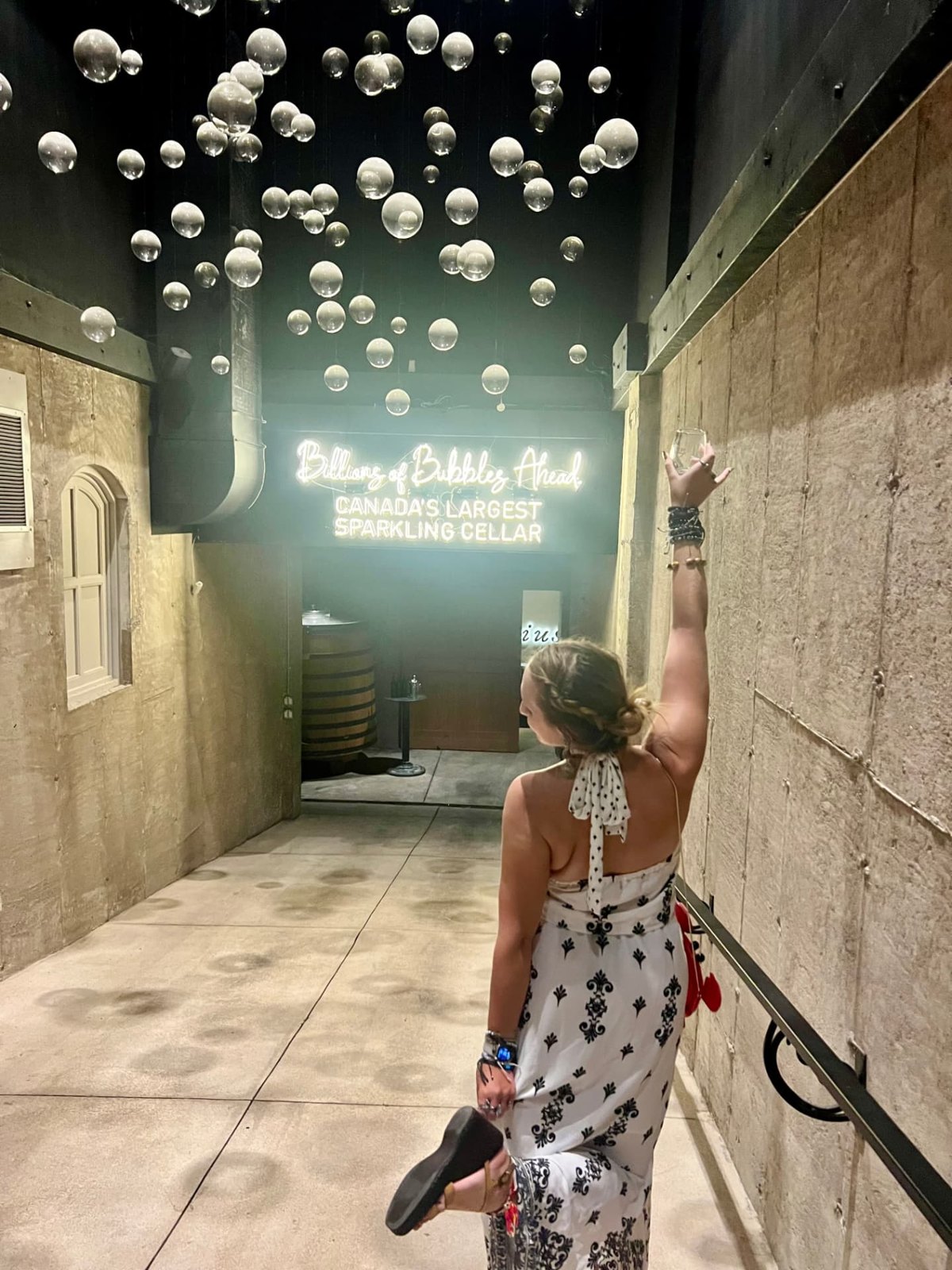
If a phone got deleted right now, mid-trip, would the experience still feel meaningful, or would it feel like the whole thing got lost with it? That question is worth sitting with, because travel has quietly shifted from discovery to documentation, shaped more by how an experience will perform online than how it actually felt.
Documenting a trip in real time measurably reduces memory of it, a finding researchers call the photo-taking-impairment effect. Combined with algorithm-driven trip planning, performative travel disconnects people from both the present moment and their own memory of it.
The Stakes
Performative travel means traveling for content, not experience, and it's not really about judging how someone travels. It's about questioning who the travel is actually for. Pew Research has found teens and young adults repeatedly reporting pressure to share experiences online, and Expedia Group has found travelers prioritizing "Instagrammable" locations when choosing where to go. Destinations have responded by literally building for it: purpose-made photo installations, guided "Instagram tours" that shuffle people spot to spot for the shot rather than the context.
Are places being chosen, or is what performs well being chosen instead?
Fifty Videos of the Same Six Spots
Researching a trip to Grenada meant scrolling through roughly fifty videos, all repeating the same six locations, all looking basically identical. It took going back to traditional research, beyond the algorithm, to find that there was far more to the island than that. Most travelers don't take that extra step. Algorithmic reinforcement research shows this produces real filter bubbles: not discovering a place, just selecting from an already-curated menu, and calling the result a personal trip.
Santorini gets the same treatment. Overexposed to the point that visitors report not being able to get a clear photo at the iconic viewpoint without someone else's shot in the frame. The place is beautiful. It's also stopped feeling like a place and started feeling like a set.
What Documentation Actually Costs
Being hyper-focused on getting the shot means being in a recreation of the moment, not the moment itself, the same frustration as watching a concert through the phone screen of the person standing in front of you.
There's real research behind why this costs more than it seems to. A study by researcher Linda Henkel found that photographing objects during a museum tour measurably reduced how much people remembered about those objects afterward, compared to simply observing them, a finding known as the photo-taking-impairment effect. The senses take in more than they can convert to long-term memory when documentation becomes the priority, which is part of why a trip can end with plenty of photos and surprisingly little recall of what was actually happening in each one.
It's Not Just Personal
Performative travel reshapes the places themselves, not just the traveler. Locations adapt to what gets posted, and fade from itineraries when they don't. If AI travel tools pull from existing data, and no data exists for a place because nobody's documented it, that place effectively stops existing for the next traveler's planning process. Local experiences get staged to stay relevant for content, or get quietly deprioritized because they don't photograph well.
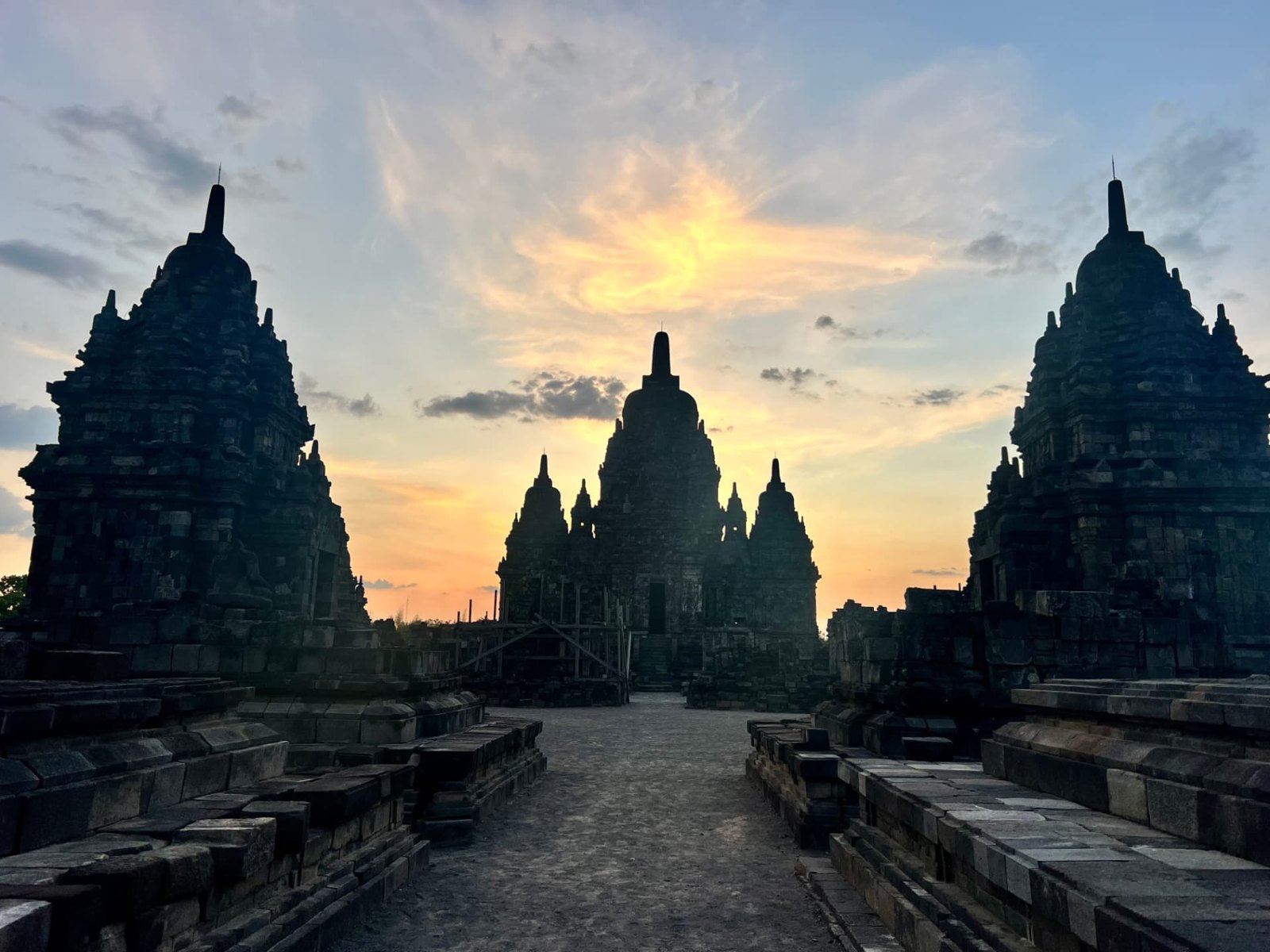
What Actually Helps
None of this means all sharing is bad. Sharing can genuinely inspire other people's trips, support local businesses that content creators bring visibility to, and help preserve culture through storytelling. The problem starts specifically when sharing becomes the sole purpose of the trip.
A few concrete shifts help: delaying documentation until after actually experiencing something, rather than mid-moment. Asking planning tools better questions, "what's meaningful here" instead of "what's popular," which produces genuinely different results than the default itinerary everyone else gets. Doing at least one thing on a trip that never gets posted anywhere. Asking locals before asking an algorithm.
The Question Worth Asking
Would this still be worth doing if no one ever saw it? For a lot of well-documented travel, the honest answer is worth sitting with before the next trip gets planned.
Listen to the full episode
Frequently Asked Questions
Does taking photos while traveling actually hurt your memory of the trip?
Research on the photo-taking-impairment effect found that photographing objects during a guided tour measurably reduced how much people remembered about those objects afterward compared to simply observing them without a camera.
What is performative travel?
Performative travel describes traveling primarily to produce content for social media rather than for the experience itself, where a trip's value gets judged by how it will perform online rather than how it actually felt.
How do algorithms create filter bubbles in travel planning?
Because social media and AI travel tools reward repeatable, already-popular content, relying on them for trip planning tends to surface the same small set of locations repeatedly, producing itineraries that feel personal but are largely mass-produced.
Does documenting a trip mean it wasn't authentic?
No. Sharing travel content can genuinely inspire others, support local businesses, and help preserve culture through storytelling. The disconnect happens specifically when documentation becomes the primary purpose of the trip rather than a byproduct of it.
How can you avoid performative travel while still taking photos?
Delaying documentation until after experiencing a moment, asking travel-planning tools what's meaningful rather than what's popular, and deliberately keeping at least one experience per trip unposted are all ways to stay present without giving up documentation entirely.