The Algorithm Didn't Stumble Onto Delta Lake. It Was Built to Reward Whoever Found It First.
A trail goes from two hikers a day to over a hundred. A waterfall closes for five years. The real driver isn't crowds copying crowds, it's a single engagement stat the algorithm is built to reward.
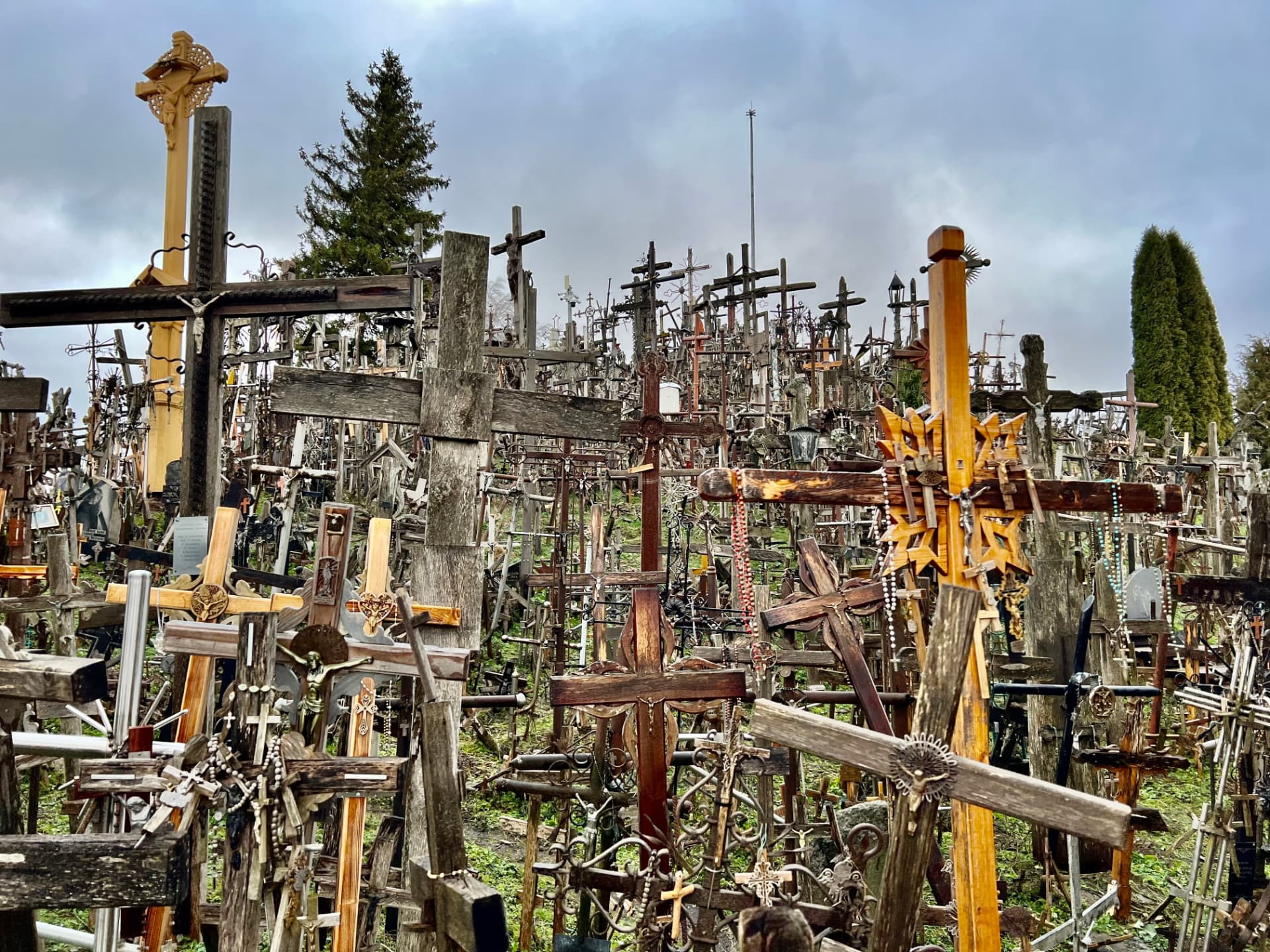
A trail to Delta Lake in Grand Teton National Park drew one or two hikers a day before a handful of influencer photos started circulating. Afterward, that number climbed to roughly 145 hikers a day, according to the Jackson Hole Travel & Tourism Board, a shift from essentially unvisited to overwhelmed inside a single content cycle. The instinct is to blame the crowd, thousands of individual people who each decided to copy what they saw. That's only part of the mechanism. The faster, less visible part is a single number the platforms themselves are optimizing for, and it has nothing to do with how many people wanted to go.
Posts with a location tag attached receive roughly 79% more engagement than posts without one, according to research from Sprout Social. That single mechanic means platforms aren't neutrally hosting the spread of "hidden gem" locations. They're actively rewarding the exact content most likely to trigger a crowding cascade, because tagged posts perform better, get shown to more people, and prompt more people to tag their own visit in turn, tightening the loop with every cycle.
The Trail That Went From Two Hikers to Over a Hundred
Delta Lake isn't an isolated case. Germany's Königsbachfall waterfall trail, home to a striking natural pool below the falls, was closed to visitors for five years after online fame drove enough traffic to cause serious trampling and vegetation damage, following a widely shared influencer photo that kept circulating even after removal requests. A geotagged photo of Chasm Falls in Tasmania drove enough visitors trying to recreate the same shot that the site suffered lasting degradation. A historic hotel in the Jungfrau-Aletsch UNESCO World Heritage region closed to overnight guests for an entire season, overwhelmed by Instagram- and YouTube-driven visitation in a region environmental scientists had already flagged as geologically unstable. None of these places did anything to invite what happened to them. In every case, a geotag did.
The Single Stat the Algorithm Rewards
It's tempting to read that 79% engagement gap as a minor content-strategy detail, the kind of thing a social media manager optimizes around and nobody else needs to think about. It's closer to a structural incentive shaping which places survive quietly and which don't. A platform doesn't need any editorial intention to destroy a quiet location. It only needs an engagement algorithm that consistently rewards specificity of place over vagueness, because specificity is exactly what a geotag provides, and reward, at platform scale, functions identically to instruction.
Three Mechanisms, One Timer
Underneath the geotag mechanic sit three well-documented psychological patterns that explain why the resulting crowd behaves the way it does. Parasocial interaction theory explains why an influencer never met in person still gets treated like a trusted friend, so a recommendation from them gets filed as personal advice rather than an advertisement. Information cascades explain why a location with ten thousand visitors keeps growing even after individual judgment has largely stopped factoring in, since each new visitor is mostly responding to the visible choices of everyone before them rather than evaluating the place independently. And the strength of weak ties, sociologist Mark Granovetter's well-known finding, explains why a stranger's offhand tip, carrying no likes and no visual proof, often holds more genuinely new information than a viral post ever could, precisely because it hasn't been flattened by a crowd yet. Those three mechanisms explain the psychology behind why "hidden gem" content spreads the way it does. The geotag data adds the missing piece: a timer. The moment a quiet place gets photographed and tagged, the clock starts, and the platform's own engagement math starts working against it staying quiet for long.

The Clock Starts the Moment It's Tagged
A quiet recommendation, a local's tip about somewhere with essentially no online footprint, carries real value specifically because it hasn't yet been caught in that cycle. Once it is, structurally, it's on the exact same clock as everywhere else, regardless of how special or under-the-radar it felt in the moment of discovery. This reframes the usual advice about seeking out non-touristy places. The value was never permanent. It was time-limited from the moment a location became photographable and shareable, which is closer to all of them, all the time.
What to Actually Do With This
None of this argues for never geotagging anything, and pretending otherwise would be its own kind of performance. It argues for treating the geotag as the single highest-leverage decision inside any post about a quiet place, more consequential than the caption, more consequential than the photo itself. A location tag isn't a neutral, purely informational add-on. It's a lever connected directly to an engagement system built to amplify whatever gets pulled, and knowing that doesn't require abandoning the tag. It just means understanding exactly what's being traded away the moment it gets used.
This essay was first published as a written companion piece, not a spoken episode: Read the original on Substack · Subscribe for new essays
Frequently Asked Questions
Why do quiet, undiscovered travel destinations tend to become overcrowded almost overnight once they appear on social media?
Social platforms reward geotagged posts with significantly higher engagement, roughly 79% more according to Sprout Social research, than posts without a location attached. This creates a feedback loop where tagged content about a location gets shown to more people, prompting even more visitors to tag the same place, accelerating the crowd far faster than word-of-mouth alone would.
How much more engagement do geotagged social media posts receive?
According to research from Sprout Social, posts with a location tag receive roughly 79% more engagement than posts without one, giving platforms a built-in incentive to promote content that reveals specific locations.
What happened to Delta Lake in Grand Teton National Park after it went viral?
Delta Lake went from roughly one or two hikers a day to approximately 145 hikers a day after influencer photos of the location circulated online, according to the Jackson Hole Travel & Tourism Board, illustrating how quickly a location can shift from essentially unvisited to overwhelmed.
What is an information cascade, and how does it relate to overtourism?
An information cascade describes a pattern where people increasingly base decisions on the visible choices of others rather than their own independent judgment. In travel, this explains why a location with a large number of visitors continues attracting more, even after individual evaluation of the location's merits has largely stopped playing a role.
Should travelers stop geotagging locations in their social media posts?
Not necessarily, but it's worth treating a geotag as a meaningful decision rather than a neutral one. Since location tags are one of the most significant drivers of a post's reach, using them consciously, understanding they can accelerate a location's exposure and crowding, is more realistic than avoiding them altogether.