The Flight Got Cancelled. That's When She Realized She Never Wanted to Take It.
A conversation with sustainable travel blogger Lotte, plus real data on where tourist spending actually goes, on why the cheapest travel choices are often the most sustainable ones.
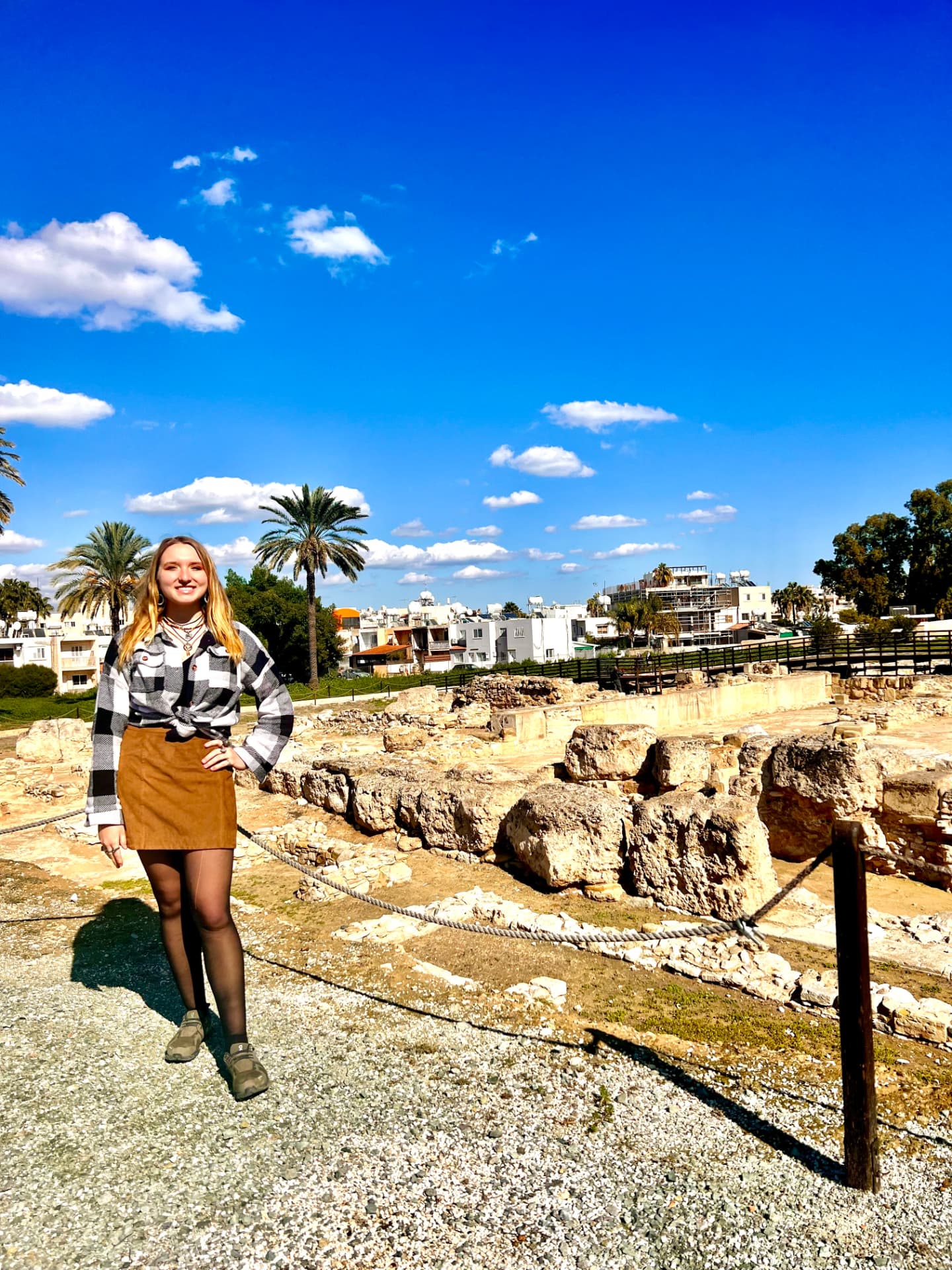
A short weekend trip from the Netherlands to London, booked as a flight because it looked fastest, despite train and ferry options sitting right there. Already uneasy about the choice before boarding even happened. Then a storm canceled the flight home, and an overnight bus became the only option. The reaction wasn't frustration. It was relief.
Sustainable travel gets treated as expensive and difficult, requiring carbon offsets, eco-resorts, and constant vigilance. In practice, some of the most sustainable choices, hostels over hotel chains, buses over flights, locally owned stays over international brands, are also the cheapest ones. The barrier was never money. It was the assumption that sustainability has to be complicated.
A Cancelled Flight as a Turning Point
That cancelled Netherlands-to-London flight belongs to Lotte, who runs The Sustainable Travel Guide and has spent years figuring out what sustainable travel actually looks like for an ordinary budget traveler, not just for someone with unlimited time and money. "I was already kind of not happy with myself for doing this," she said about booking the flight in the first place. When the storm forced her onto an overnight bus instead, something clicked. "I was actually glad I didn't have to go on this flight I didn't want to support." She didn't fly again for five or six years afterward.
That's not a call to swear off flying entirely. It's a specific realization worth sitting with: the discomfort was already there before the flight even happened. Sometimes the most sustainable decision is simply admitting what already feels wrong before looking for permission to change it.
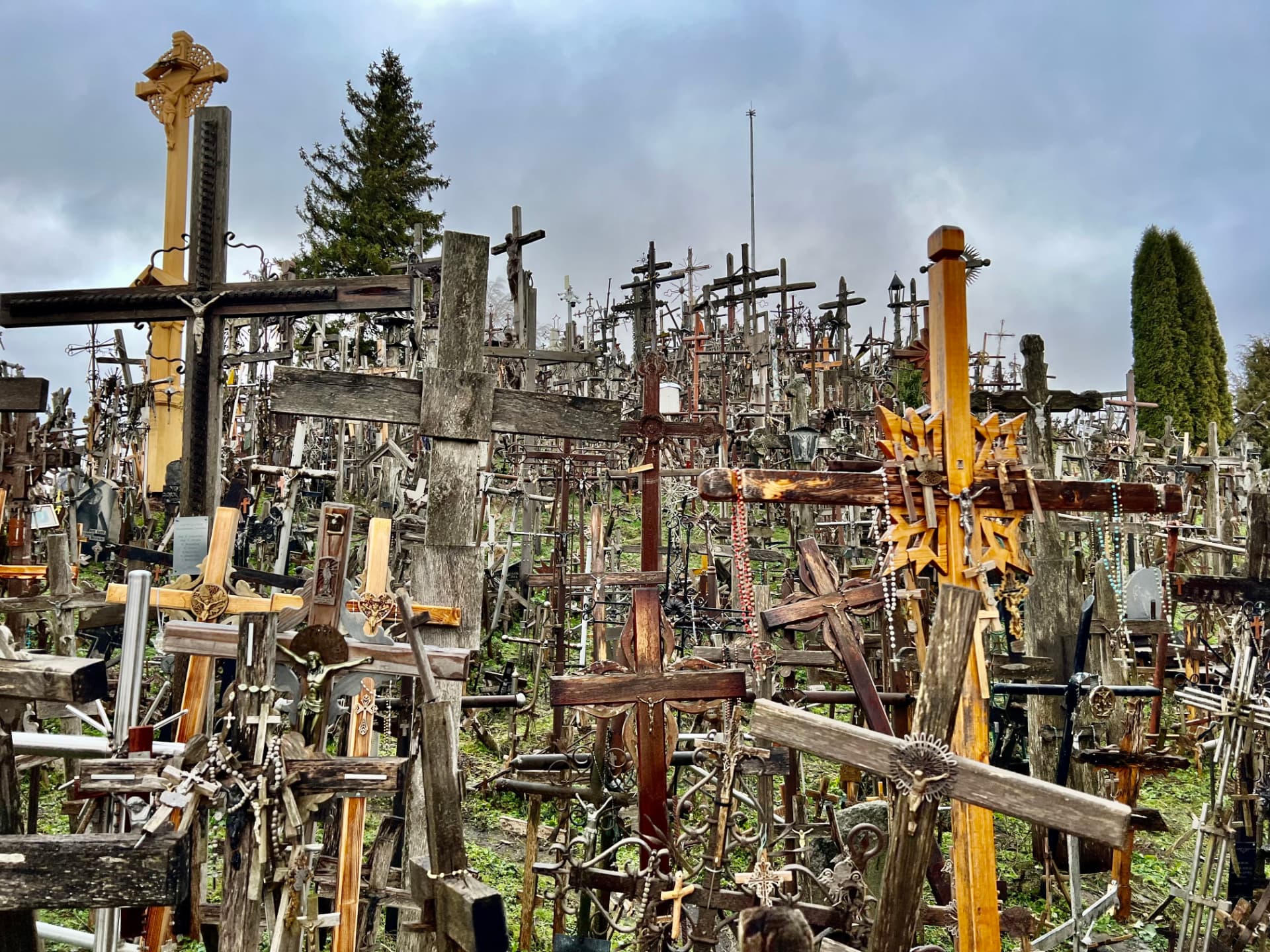
Where Tourist Spending Actually Goes
Sustainability conversations tend to jump straight to carbon footprints and reusable water bottles. Lotte's framing is more direct: sustainable travel, at minimum, means not having a negative impact, which starts with understanding where money spent while traveling actually ends up.
The gap is larger than most travelers assume. Research on tourism economic leakage, spending that exits a destination's local economy rather than staying in it, found that developing economies typically retain only 50 to 60 percent of gross tourism earnings, with far steeper losses in some regions: leakage reaching roughly 70 percent in Thailand and up to 80 percent in parts of the Caribbean. Booking an international hotel chain, a foreign-owned tour operator, or an all-inclusive package routes most of that spending straight back out of the community being visited. Choosing a locally owned guesthouse or a local guide over the international-brand equivalent isn't just a values statement. It measurably changes where the money actually lands.
The Perfectionism Trap
"A big pitfall with sustainability in general is a sort of perfectionism," Lotte said. "Like, oh, I can't do it perfectly, so I might as well not bother at all." That mindset kills more sustainable habits than any actual logistical barrier does. The fix isn't overhauling every choice at once. It's picking one habit, locally owned accommodation over a chain, say, making it automatic, and adding the next one later.

The Sustainable Options Already Cost Less
Hostels over hotels: more people sharing space efficiently, without the single-use toiletries that hotels hand out by default, and with more built-in opportunity for actual connection between travelers.
Buses over trains or flights: often cheaper, sometimes slower, but sleeper buses across Southeast Asia and increasingly across Europe make this a realistic, low-cost default rather than a sacrifice.
Trains over short-haul flights where available: Eurostar and similar routes skip the extra hour or two of airport buffer time entirely, landing travelers directly in a city center instead.
Slower transportation in general: cycling through Sweden, instead of flying between its two most-visited cities, revealed an entire country most tourists never see at all. The same principle applies to kayaking, hiking, or any mode of travel slow enough to notice what's actually passing by.
What Social Media Quietly Costs Sustainability
Trending destinations pull travelers toward places that don't necessarily match their actual interests, just because a spot photographs well or shows up repeatedly in a feed. Someone who genuinely loves hiking and the outdoors ends up city-hopping through a checklist of famous names instead, chasing relevance rather than relevance chasing them. The simplest sustainability question might not be about carbon at all: does this destination actually match what's genuinely interesting, or is it just the version of travel already seen a hundred times online?
What This Actually Requires
Not a luxury eco-resort. Not a certified carbon-neutral airline. Not doing everything correctly on the first attempt. Just one small, repeatable shift, toward local ownership, toward slower transportation, toward matching a destination to real interest instead of a trending photo spot, and the willingness to build the next one on top of it once the first one sticks.
Listen to the full episode
Frequently Asked Questions
Does sustainable travel require spending more money?
No. Several of the most sustainable travel choices, hostels over hotel chains, buses or sleeper trains over flights, and locally owned guesthouses over international brands, are also typically the cheapest options available.
How can travelers make sure their money supports the local economy?
Booking locally owned accommodation, local tour guides, and independent restaurants rather than international chains helps ensure spending stays within the destination, since research on tourism economic leakage shows a significant share of spending at international-brand businesses exits the local economy entirely.
What is tourism economic leakage?
Tourism economic leakage refers to the portion of tourist spending that exits a destination's local economy rather than staying within it, often through foreign-owned hotels, tour operators, and imported goods, with leakage rates in some developing regions reaching 70 to 80 percent of total tourism revenue.
Do sustainable travelers need to be perfect to make a difference?
No. Aiming for perfection is one of the most common reasons people abandon sustainable travel habits altogether. Building one sustainable habit at a time, rather than trying to change everything at once, is a more realistic and effective approach.
How does slow travel relate to sustainability?
Slower forms of travel, like cycling, kayaking, or train travel, tend to expose travelers to more of a destination beyond its most popular tourist spots, while also generally producing a smaller environmental footprint than faster, more resource-intensive transportation options.