The Border Didn't Close Because It Was Dangerous. It Closed Because It Was Inconvenient.
A destination can go from trending to off-limits overnight. Here's what political instability actually does to local economies, cultural exchange, and how to travel ethically through it.
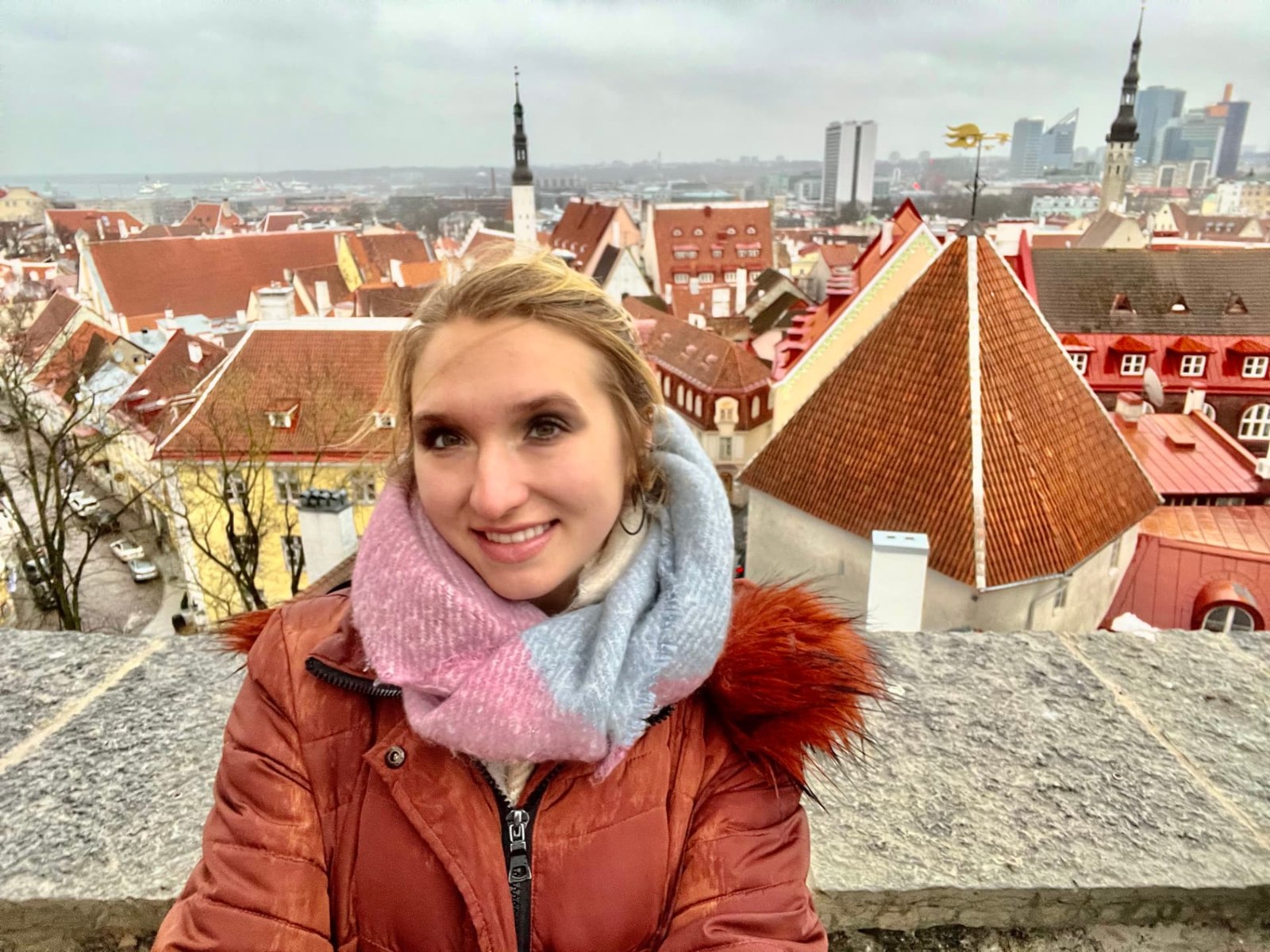
One day a destination is trending. The next, it's on a government advisory list, and a passport that worked yesterday doesn't work there today. Travel gets treated as a personal choice, something chosen freely based on curiosity and budget. Borders don't work that way. They're political, and they can reshape mobility overnight.
Political instability doesn't just restrict where travelers can go. It cuts off local economies from tourism income and severs cultural exchange for the people who live there, often while the destination itself remains largely safe day to day. Sometimes a place doesn't become dangerous. It becomes politically inconvenient.
Moving to a Country Mid-Headline
Moving to Moldova for a two-year post landed around the same time the war between Russia and Ukraine began. There was real nervousness going in. Family raised concerns. People asked, directly, why move somewhere that close to active conflict, somewhere with locals split across different sides of the war.
The reality on the ground looked almost nothing like the headline. People stayed aware of the news. There was real discussion, real concern in some corners. But day to day, life continued: open, welcoming, functional. Months later, a political scandal broke, government officials tied to Russian influence resigned, and Western media ran it as the Moldovan government collapsing. Friends started messaging, checking in, worried. The actual situation, confirmed through local friends and local news, was someone stepping down from a role. The government kept working. One version of that story existed for people watching from outside. A completely different one existed for people actually living inside it.
Who Actually Pays When Tourism Stops
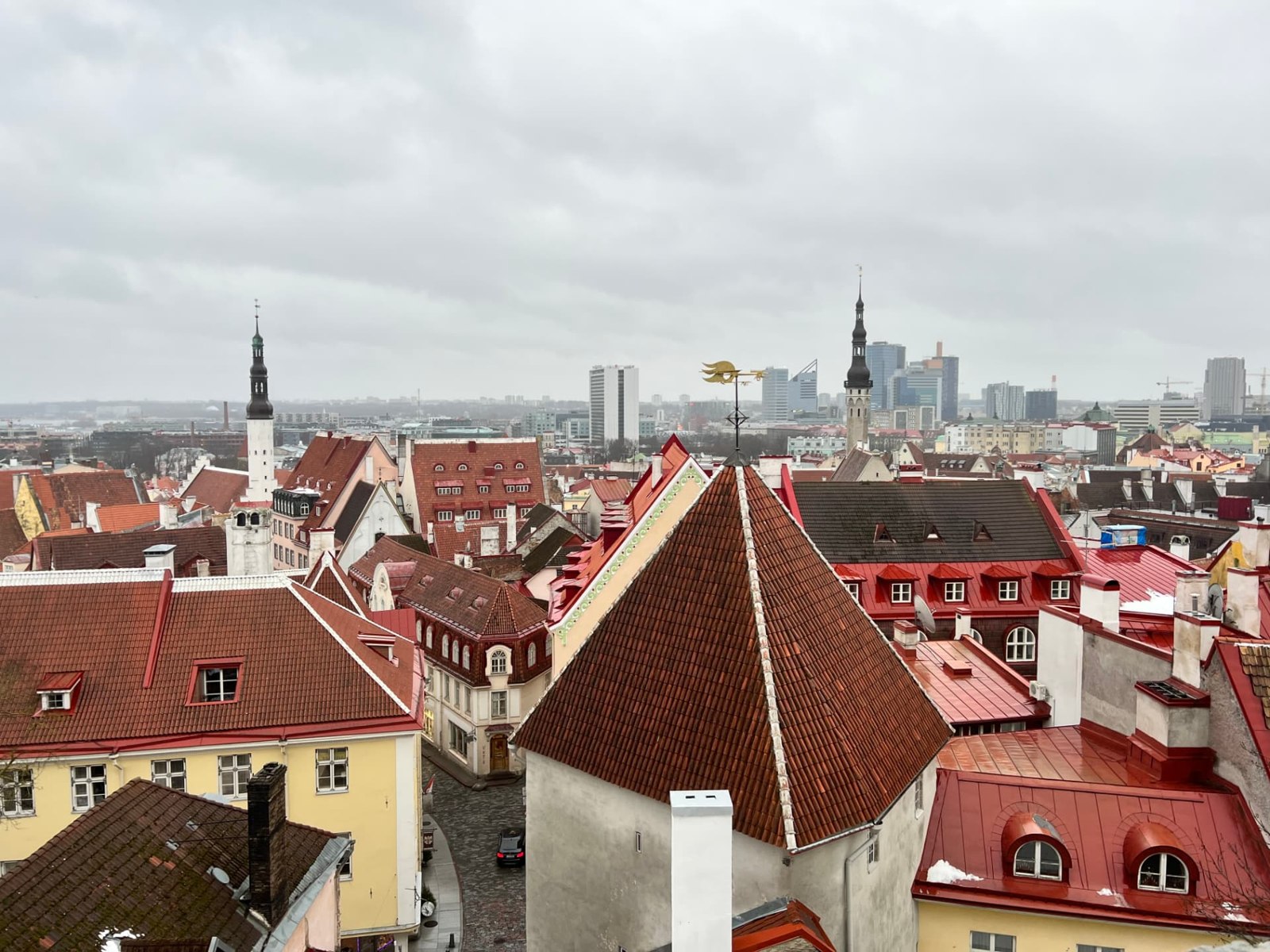
Local businesses feel it first and hardest. Tourism accounts for more than 10 percent of global GDP, and small island nations and developing economies depend on it disproportionately. Sri Lanka's economic crisis, Lebanon's tourism collapse, Ukraine's tourism shutdown since 2022 all follow the same shape: when borders close, it's rarely governments or influencers who absorb the loss first. It's the people running the guesthouse, driving the tour van, selling in the local market.
There's a second, less visible cost. Losing tourism means losing a channel for cultural exchange, for outside perspective to meet local reality directly instead of through a headline written somewhere else entirely. Closed borders tend to produce closed communities, and closed communities develop more suspicion of outsiders, not because people become worse, but because the only information reaching them about the outside world starts coming from fewer, more filtered sources. Research on intergroup contact backs this up directly: a large-scale meta-analysis found that direct contact between different groups reliably reduces prejudice, across nearly every context studied. The less ordinary people meet each other, the easier it becomes to fear each other.
The Boycott Question
Should travelers boycott unstable destinations entirely? That framing is too blunt. Once a place gets written off because of its government's actions, reversing that judgment once tensions ease becomes its own kind of hard problem, an on-off switch that doesn't actually reflect how conflict resolution works. A government's position and a local population's daily reality are not the same thing, and travelers meeting people abroad regularly discover this directly: plenty of people are quick to distance themselves from their own government's actions the moment a conversation starts, sometimes before anyone's even asked.
Traveling Ethically Through Instability
Research beyond headlines. Read local news, not just international coverage, and talk to people who've actually been there or are from there before forming an opinion.
Support locally owned businesses over large corporations. A big company still operating in an unstable region doesn't necessarily have local staff on the ground who understand what's actually happening. A local business owner does.
Track where the money goes. Tourism spending in a politically fraught region can end up funding very different things depending on who it passes through. Understanding that distinction matters more than it usually gets credit for.
Avoid disaster tourism. Visiting a destination specifically because instability made it cheaper, or because the crisis itself makes for compelling content, crosses a line worth not crossing.
Follow local journalists and voices over international headlines. They're reporting from inside the context, not summarizing it from a distance.
What Gets Lost When a Border Closes
Are destinations being avoided because they're actually unsafe, or because they've become unfamiliar through someone else's narrative? How much of any traveler's mental map of the world was built from headlines written by people who were never there? Travel doesn't just move people from one place to another. It moves understanding, in both directions, and every border that closes quietly cuts off one more channel of it.
Listen to the full episode
Frequently Asked Questions
What happens to local communities when political conflict cuts off tourism?
Local businesses and workers who depend on tourism income are typically affected first and most severely, since tourism contributes over 10 percent of global GDP and disproportionately supports small island nations and developing economies. Beyond the economic impact, communities also lose a direct channel for cultural exchange with outsiders.
Does political instability always mean a destination is unsafe for travelers?
Not necessarily. Political instability can make a destination officially restricted or advised against without daily life on the ground being significantly dangerous, meaning a place can become politically inconvenient for travel without becoming genuinely unsafe.
Is it ethical to travel to a country experiencing political tension or conflict?
Ethical travel through unstable regions is possible when approached responsibly: researching beyond international headlines, supporting locally owned businesses, understanding where tourism money actually goes, avoiding disaster tourism, and following local journalists rather than only international coverage.
Does reduced contact between cultures actually increase prejudice?
Yes. A large-scale meta-analysis of intergroup contact research found that direct contact between different groups reliably reduces prejudice across a wide range of contexts, meaning that closed borders and reduced cultural exchange tend to correlate with increased suspicion of outsiders.
What is disaster tourism, and why is it considered unethical?
Disaster tourism refers to visiting a destination specifically because instability, conflict, or crisis has made it cheaper or more novel as content, rather than out of genuine cultural interest, and it's generally considered exploitative of the hardship local populations are experiencing.