The "Cookie-Cutter" Trip Might Be the One You Planned Yourself
The assumption is that guided tours are shallow and self-planned trips go deeper. A newer traveler's honest pushback on that idea, plus the psychology of building travel confidence.
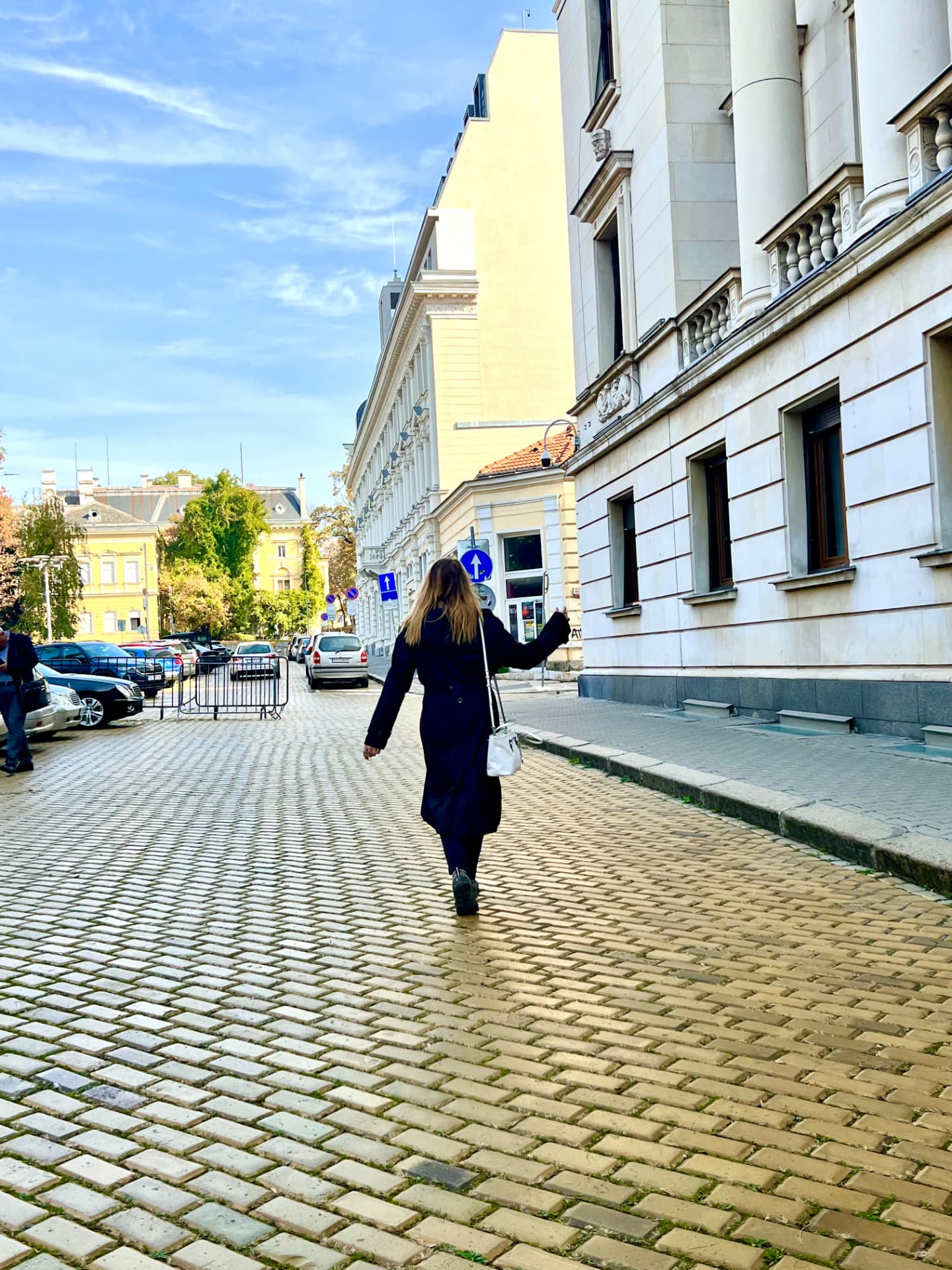
The standard critique of guided tours goes something like this: everyone on the bus gets the same itinerary, the same stops, the same photo ops, a cookie-cutter version of a place stamped out for maximum group efficiency. Self-planned travel gets treated as the more sophisticated alternative, the one that actually digs into a culture. A newer traveler, several trips into her own journey, pushed back on that assumption directly and made a genuinely uncomfortable point: a self-planned itinerary built from whatever comes up on the first page of a search engine is its own kind of cookie-cutter, just running the algorithm instead of the tour operator.
Neither guided tours nor independently planned trips are automatically more authentic than the other. What actually determines depth is the quality of the planning behind either option: a knowledgeable local guide can access places a quick search engine query never surfaces, while a self-planned trip built entirely from generic "top things to do" lists can end up just as generic as any bus tour.
The Assumption Worth Questioning
Eiffel Tower, the Louvre, Arc de Triomphe: type "what to do in Paris" into any search engine and that's the list that surfaces, the same list every single time, regardless of who's searching. A traveler who prides themselves on planning independently but builds their entire itinerary from the first page of search results isn't actually escaping the cookie-cutter experience. They're just running a different, more solitary version of the same script. A guided tour with a genuinely knowledgeable local, by contrast, can access places that never make it onto any generic list at all, spots that exist specifically because someone who actually lives there decided they were worth showing.
What Actually Determines Depth
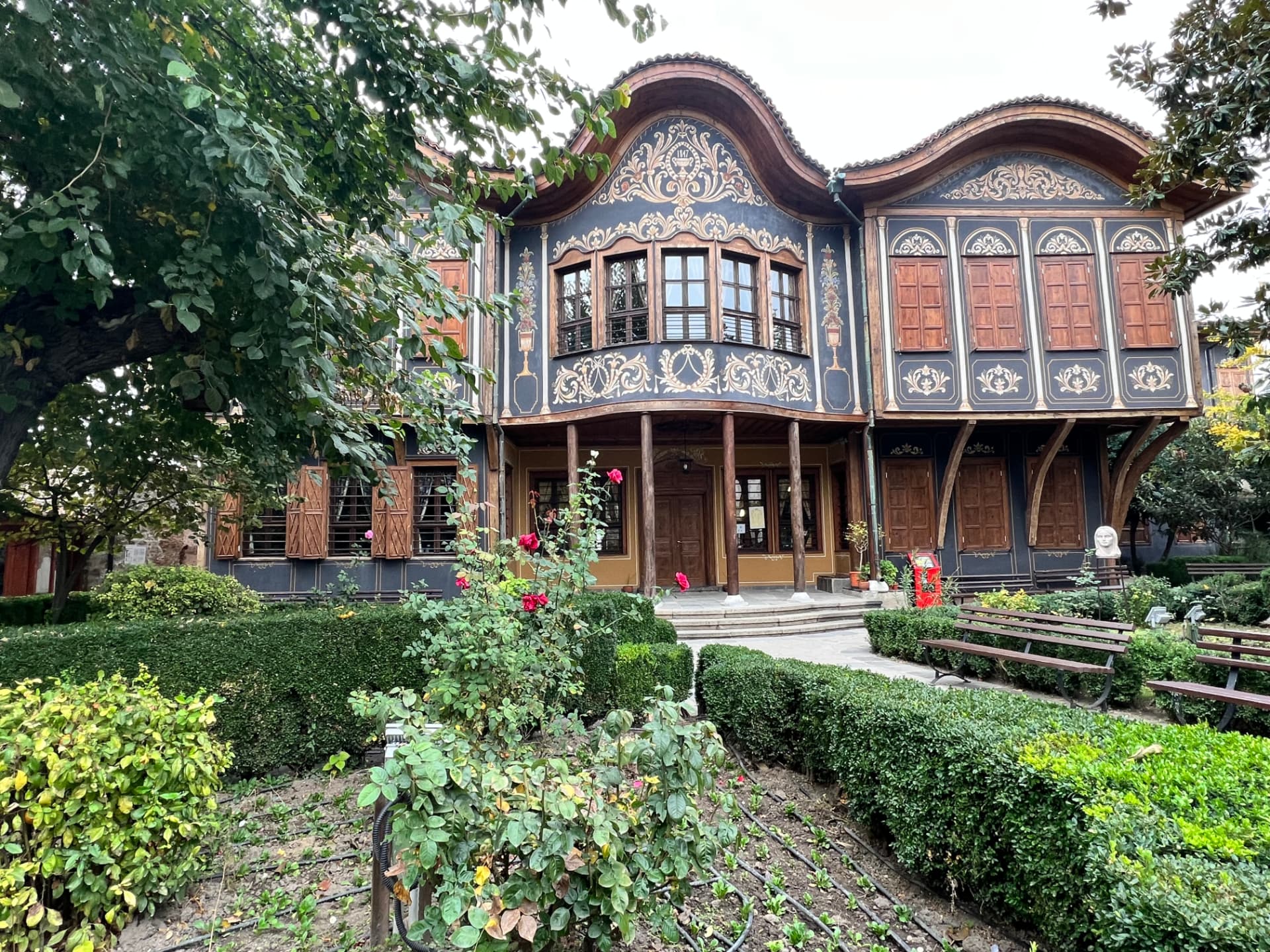
The real variable isn't tour versus independent. It's who's doing the planning and what they actually know. Someone defaulting to a search engine gets the most obvious, most searched, most repeated version of a place. Someone traveling with a person genuinely embedded in the local culture, whether that's a hired guide or a friend who lives there, gets access to an entirely different layer, regardless of whether the format is technically "guided" or not. The honest answer probably sits in the middle: a hybrid approach, structure for the unfamiliar parts and independence for the parts worth exploring solo, tends to outperform either extreme taken as an absolute rule.
The Real Barrier Isn't Curiosity. It's Anxiety.
Underneath a lot of hesitation about international travel sits a much more specific fear than "I don't know if I'll like it": not being able to ask a question, confirm a gate number, or communicate a basic need without a shared language. That's a legitimate, common anxiety, not a character flaw, and it explains why so much pre-trip preparation quietly becomes language preparation, even a small amount: enough basic phrases to check into a hotel, order food, or handle an unexpected hiccup at the airport without the whole trip feeling precarious. Even imperfect language effort, an app-taught phrase, a memorized greeting, does something practical anxiety alone never can: it hands back a small, real sense of control.
Why "Why Not Me" Actually Works
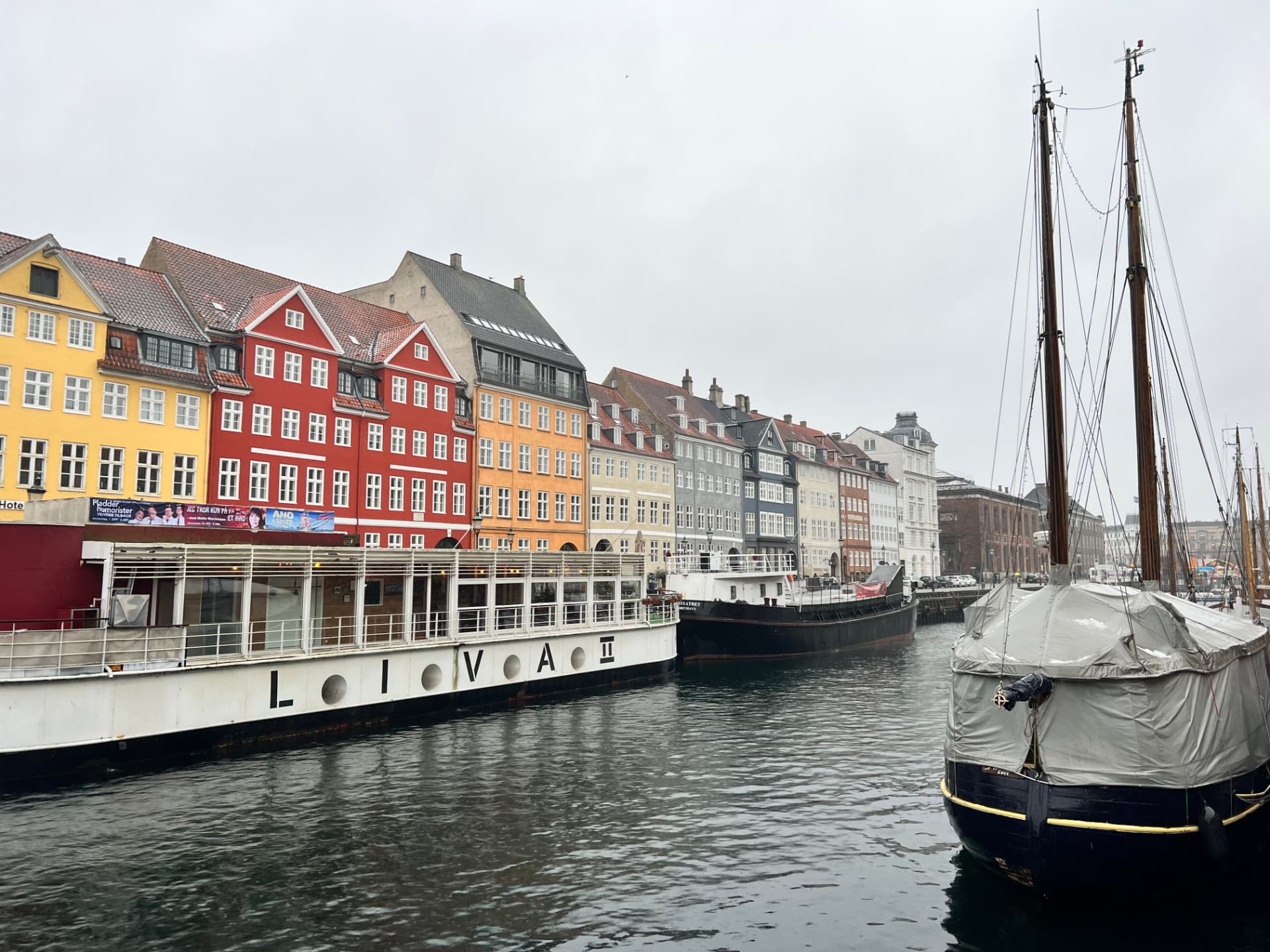
Watching other travelers, especially ones who don't look dramatically different from yourself, take the leap into unfamiliar travel does something measurable to confidence, and there's real psychological research behind why. Psychologist Albert Bandura's work on self-efficacy identifies vicarious experience, watching someone similar to yourself succeed at something, as one of the strongest levers for building belief in your own ability to do the same thing. It's not abstract inspiration. It's a specific mechanism: seeing someone comparable pull off the thing that feels intimidating makes the same thing feel more achievable for the person watching.
"Why can't that be me?" isn't just a motivational phrase. It's the actual psychological process at work, and it's a large part of why travel content that shows relatable people navigating unfamiliar places tends to move viewers toward booking their own first trip.
Building Confidence in Actual Stages
There's a practical version of gradual exposure hiding underneath the advice to "start small." Choosing a first international trip somewhere with an existing language advantage, or a structure that removes some early decision-making, an all-inclusive resort, a cruise, a well-run tour, lowers the number of unknowns a first-time traveler has to manage simultaneously. None of this is about avoiding challenge indefinitely. It's about sequencing it: enough structure to make a first trip survivable, followed by progressively less structure as confidence catches up with curiosity.
What This Isn't Limited To
Meaningful travel doesn't require a particular age, income level, or amount of prior experience. It requires a willingness to take the next slightly uncomfortable step, whatever that step looks like relative to where someone's actually starting from. The backpacker crossing the Balkans solo and the first-timer building confidence one resort trip at a time are doing versions of the same thing: expanding what feels possible, one trip at a time, at whatever pace actually fits.
Listen to the full episode
Frequently Asked Questions
Is planning your own trip actually more culturally authentic than joining a guided tour?
Not automatically. A self-planned trip built entirely from generic online "top things to do" lists can be just as formulaic as a guided tour, while a knowledgeable guide can provide access to places and cultural context an independent traveler relying on search engines might never find.
What is the biggest source of anxiety for new international travelers?
Language barriers are one of the most commonly cited sources of travel anxiety, specifically the fear of not being able to ask questions, confirm logistics, or communicate needs clearly in an unfamiliar language.
How does watching other people travel help build your own travel confidence?
Psychologist Albert Bandura's research on self-efficacy identifies vicarious experience, observing someone similar to yourself succeed at a challenging task, as a strong driver of confidence in your own ability to attempt the same thing, which helps explain why seeing relatable travel content often motivates people to book their first trip.
What's a good way for a first-time international traveler to build confidence?
Starting with a destination with a language or cultural advantage, or choosing a more structured trip format like an all-inclusive resort or guided tour, can reduce the number of unknowns a new traveler has to manage, making it easier to gradually build toward more independent, less structured travel over time.
Do you need to be young, wealthy, or highly experienced to travel meaningfully?
No. Meaningful, culturally engaged travel is accessible at any age, income level, or experience stage, and often starts with small, deliberate steps outside a person's comfort zone rather than a dramatic leap into unfamiliar territory.