Fulbright and Boren: A Guide to Funded Travel From Someone Who Did Both
What the Fulbright ETA and Boren Awards are, how they differ, and what living abroad on each is really like, from a two-time Fulbright ETA and Boren Fellow.
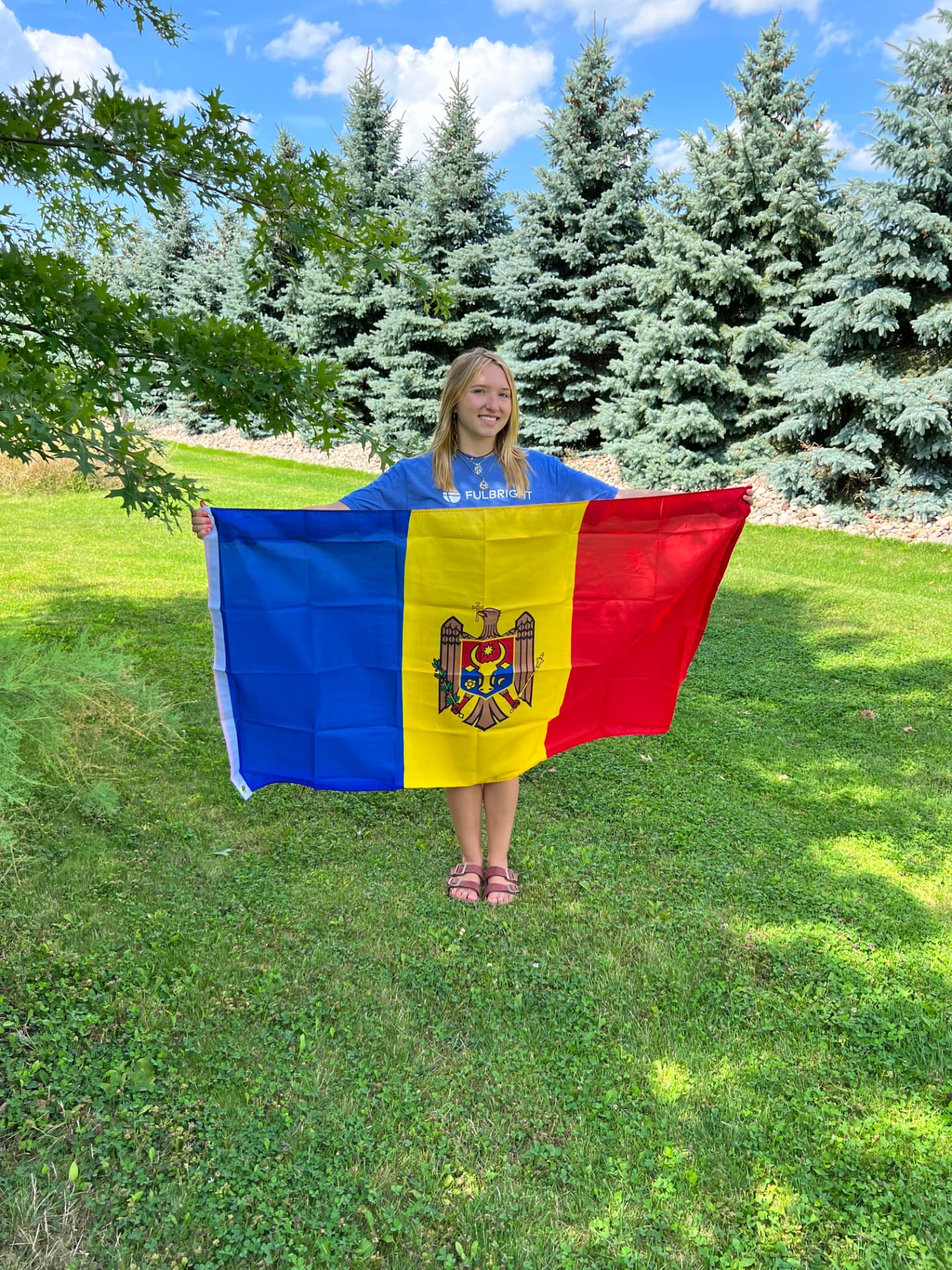
I have done two funded programs abroad. I spent two years in Moldova as a two-time Fulbright English Teaching Assistant, from 2022 to 2024, and then a year in Indonesia as a Boren Fellow in 2024, doing field research on how tourism shapes cultural and linguistic preservation. Both are very different from traveling. Both are also very different from each other. This is the guide I would have wanted before applying: what each program is, how they differ, and what living abroad on each is actually like.
A Fulbright English Teaching Assistant (ETA) award places you in a classroom abroad to help teach English and serve as a cultural ambassador. A Boren Award funds U.S. students to study languages and do research overseas in regions the program considers critical to U.S. interests, in exchange for a commitment to federal service. Program details change each year, so confirm everything on the official pages before you plan around it.
What Funded Travel Actually Is
Funded travel is a grant that pays for you to live somewhere, with a purpose attached. It is not a vacation with a sponsor. The purpose changes how you spend the time. A tourist moves through a place on a schedule built for consumption. A grantee has a classroom, a research question or a language to learn, which means daily life becomes the curriculum. I wrote about that difference in The Difference Between Living Abroad and Visiting.
The Fulbright ETA: What It Is
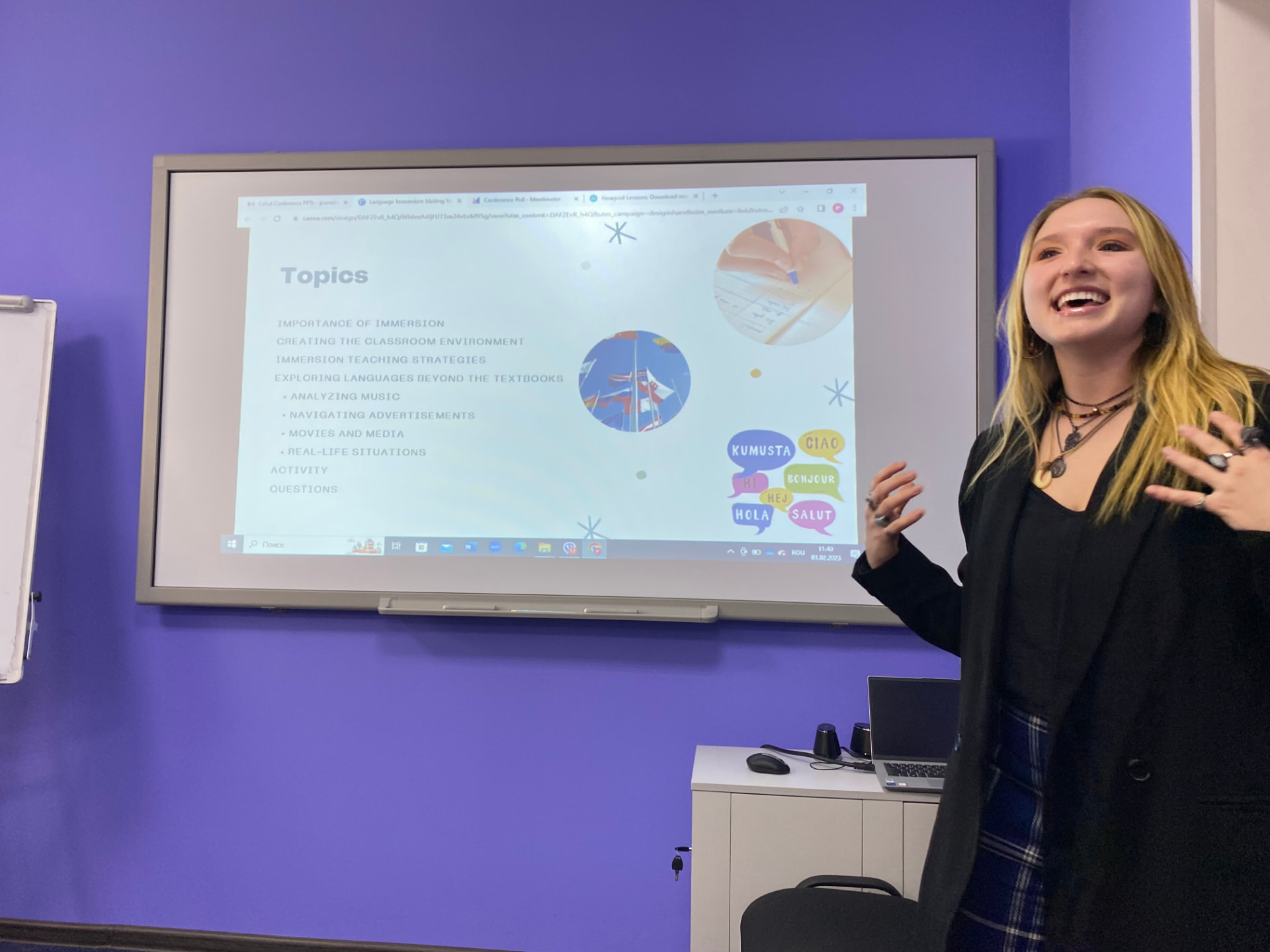
The Fulbright English Teaching Assistant program places grantees in classrooms abroad to assist local English teachers. According to the Fulbright U.S. Student Program, ETAs help teach English while serving as cultural ambassadors for the United States, and the age and level of the students varies by country, from kindergarten to university. You can apply to only one country.
U.S. citizens who are currently enrolled in a college or university apply through that institution's Fulbright Program Adviser. Citizens who are not students need a bachelor's degree by the award start date. The program describes non-enrolled applicants as typically having seven years or less of professional experience in their field. The country pages list placement details, teaching hours and language requirements, and they differ a lot. Read the page for the country you want, not a general summary.
The Boren Awards: What They Are
The National Security Education Program awards Boren Scholarships to U.S. undergraduates and Boren Fellowships to U.S. graduate students who are committed to long-term overseas study and to federal service. Scholarships fund study abroad and Fellowships fund research and language study, in world regions the program describes as critical to U.S. interests.
The commitment to federal service is a real part of the award, not a footnote. If you are considering it, read the service requirement on the official Boren site carefully before you apply, because the terms are the thing that most separates it from a standard scholarship. The site also lists current maximum award amounts by length of stay abroad, and the longer stays are preferred.
Fulbright vs Boren, Plainly
The simplest difference is the job. A Fulbright ETA is a teacher-ambassador attached to a school. A Boren award is a student or researcher attached to a language and a region, with a service commitment on the other side. The ETA gives you a role and a community on day one. Boren gives you a study plan you design yourself.
I did both, and my own experience differed more than the labels suggest, which leads to the part no program page tells you.
What Living Abroad on a Grant Is Actually Like
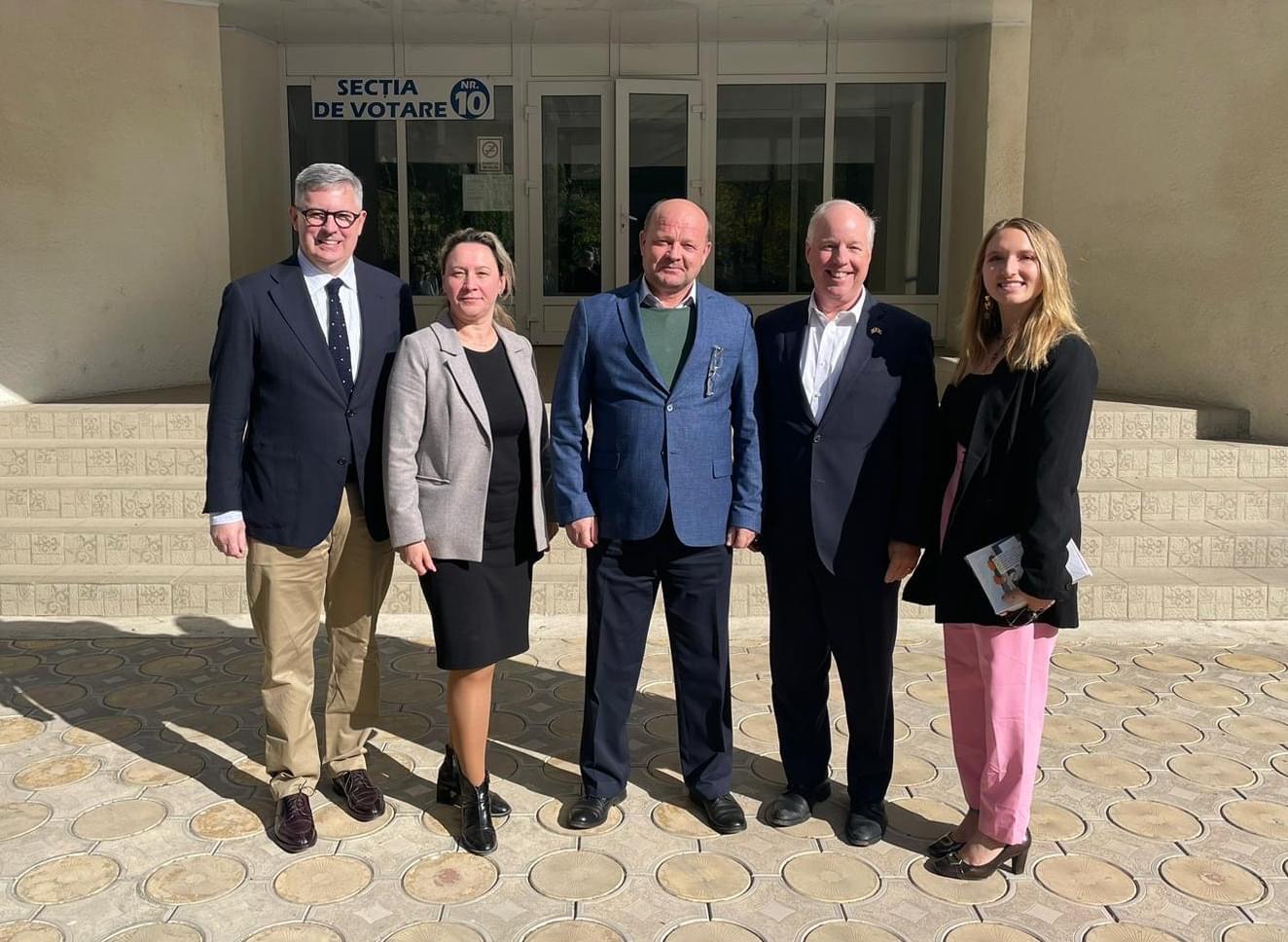
My Fulbright placement in Moldova was the program's least-supported placement. Most Fulbright ETA placements come with a local center, an organized cohort and a structure built to ease the transition. Mine had none of that. I was also one of the only Fulbrighters in my cohort without prior experience living abroad. That forced fast, self-directed adaptation. Functional Romanian and Russian arrived within roughly two months because daily life required them, from carrying water jugs home to learning the schedule of six different vendors. I wrote the whole story in There Was No Program. That Was the Program.
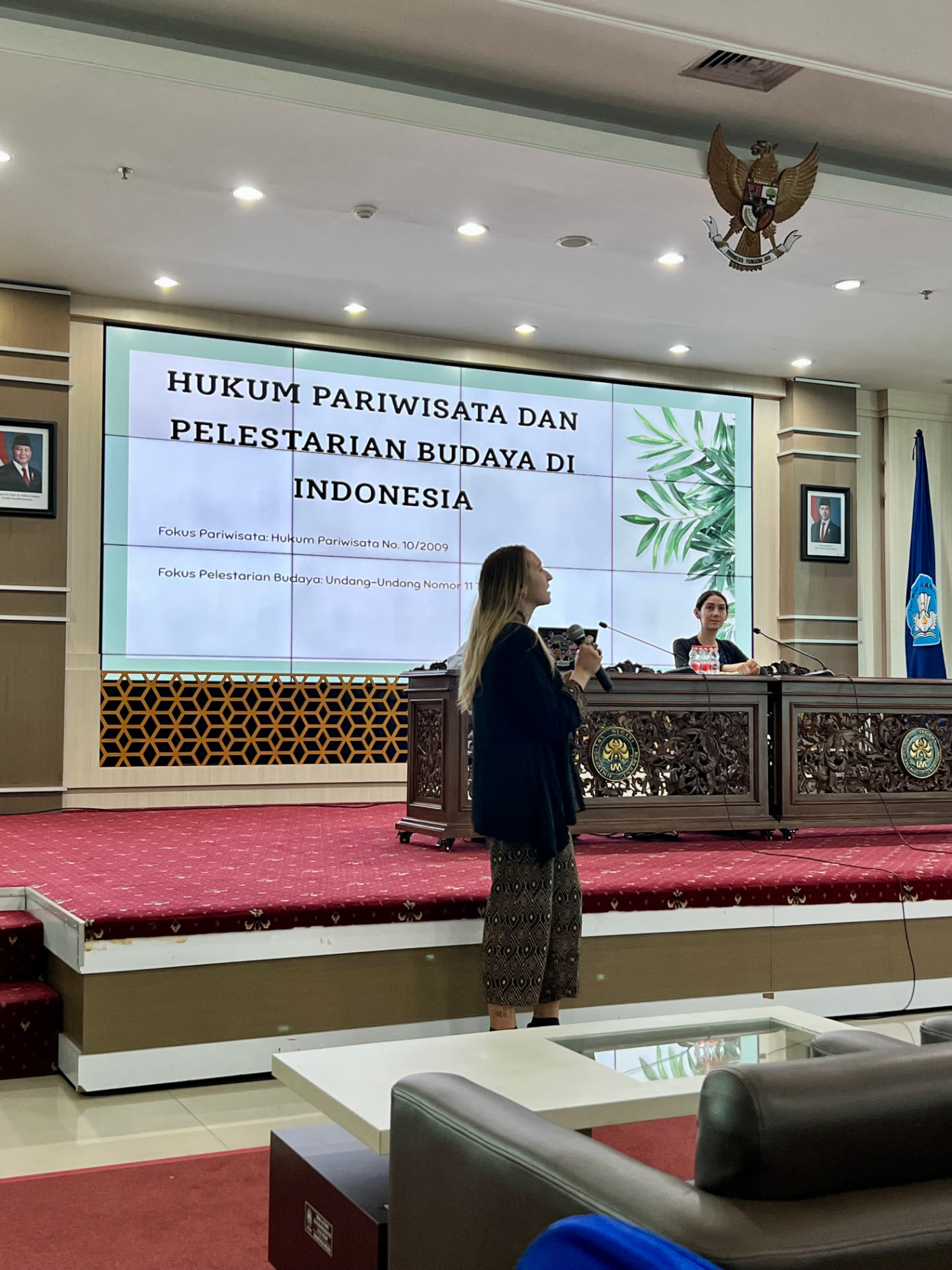
Indonesia was a different kind of immersion, built around research. I presented my work at Universitas Negeri Malang and interviewed employees at Wisata Agro Wonosari as part of that research. A funded program with a study question gives you a reason to knock on doors a traveler never would.
What Nobody Warns You About
The hardest part wasn't the placement. It was coming home. After living abroad, I came back feeling that the life I had left didn't fit me anymore. I had grown in ways my friends and family couldn't see, and I kept being told I would get used to being back. This is common, and it is under-discussed in program materials. I covered the research in Coming Home Isn't Landing. It's Starting Over. and the identity side in The Hard Part Isn't Landing Somewhere New. It's Everyone at Home Still Addressing the Person Who Left.
Who These Programs Are Actually For
They are for people who want to be changed by a place, not just see it. They suit someone willing to be lonely for stretches, to be bad at a language in public and to build a life from errands. They are not shortcuts to a good time. They also do not work for everyone, and a gap in structure can be lonely. I wrote about the other side of that in A Gap Year Isn't a Pause. For Some People, It's the Career Move., through a Boren Scholar who made the same bet.
Before You Apply
I'm not going to repeat application advice that changes every year. What I can tell you is where the real information lives. Start with the official Fulbright U.S. Student Program page for the country you want and your campus Fulbright Program Adviser. For Boren, start with the official Boren Awards site and its campus representative. Deadlines move from year to year. At the time of writing, the Fulbright 2027-2028 application was closed. Check the current cycle on the official pages instead of trusting a blog, including this one.
If you are deciding whether this life is for you, the question I would sit with is not which program is more prestigious. It is what you want to be in the room for: a classroom, a language, a research question, or just the daily life of a place that isn't yours.
Explore all the episodes behind this guide: Browse the episodes · Subscribe on Substack
Frequently Asked Questions
What is a Fulbright English Teaching Assistant?
A Fulbright English Teaching Assistant (ETA) is a grantee placed in a classroom abroad to assist local English teachers and serve as a cultural ambassador for the U.S. The age and level of students varies by country, and applicants can apply to only one country.
What is the difference between Fulbright and Boren?
A Fulbright ETA is placed in a school abroad as a teaching assistant and cultural ambassador. A Boren Award funds U.S. students to study languages and do research overseas in regions the program considers critical to U.S. interests, with a commitment to federal service. They are separate programs with different goals and application processes.
Who can apply for a Fulbright ETA award?
U.S. citizens who are enrolled in a degree program apply through their campus Fulbright Program Adviser. U.S. citizens who are not students need a bachelor's degree by the award start date. Check the country page for specific requirements.
What is a Boren Fellowship?
A Boren Fellowship funds U.S. graduate students for research and language study overseas in regions critical to U.S. interests. Boren Scholarships are the undergraduate version. Both come with a commitment to federal service, so read the official terms before applying.
Is coming home harder than going abroad on a grant?
Many people who live abroad report that returning is harder than leaving, and adjustment research describes a second dip in adjustment on reentry. Programs focus on the placement. The return is usually left to the grantee.