The Tourist Version of a Place and the One You Actually Live In Aren't the Same Country
A conversation with Abu Dhabi-based educator Remiah on identity, safety, and the cracks in tourism narratives that only show up once you actually stay.
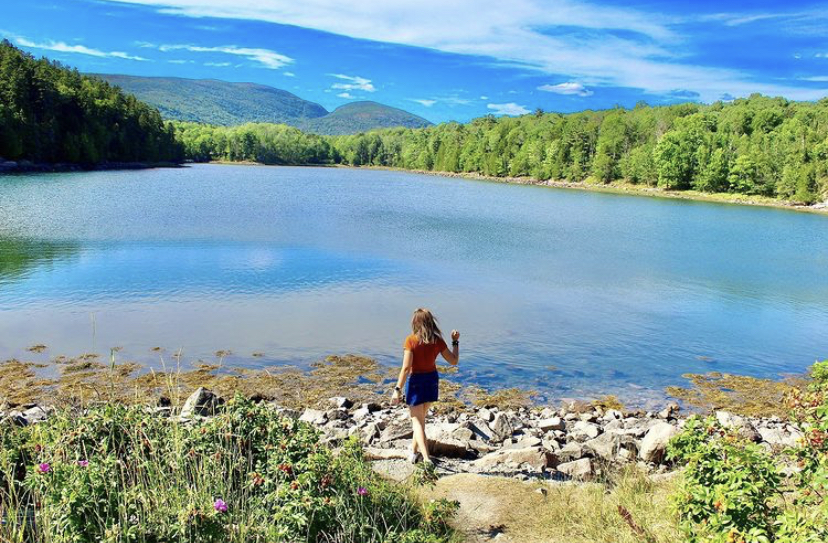
A tourist spends a week somewhere and leaves with a version of the place shaped almost entirely by landmarks, recommendations, and whatever showed up on a feed beforehand. Someone who stays for years ends up somewhere else entirely: a place with routines, cracks, community, and a version of belonging that took real time to earn.
Living abroad long-term surfaces an entirely different relationship to a place than visiting does, built through routine, language, and community rather than itinerary. It also surfaces considerations tourists rarely have to think about at all: identity, safety, and how to move through a place respectfully as a long-term resident rather than a passing guest.
Six Years, and Still Some "Fish Out of Water" Days
Remiah, an educator and solo traveler based in Abu Dhabi, moved there in the middle of the pandemic and has stayed six years. The city's demographics shaped her early experience directly: roughly 90 percent of Abu Dhabi's population is made up of expats, leaving the local Emirati population a minority within a large, diverse Muslim community drawn from across the world. Finding an actual place within that mix, rather than just a temporary landing spot, took real time.
Six years in, she still has days that feel like being a beginner again, and days that feel entirely like home. Both can be true at once, which is closer to what long-term belonging actually looks like than the clean, finished version travel content tends to present.
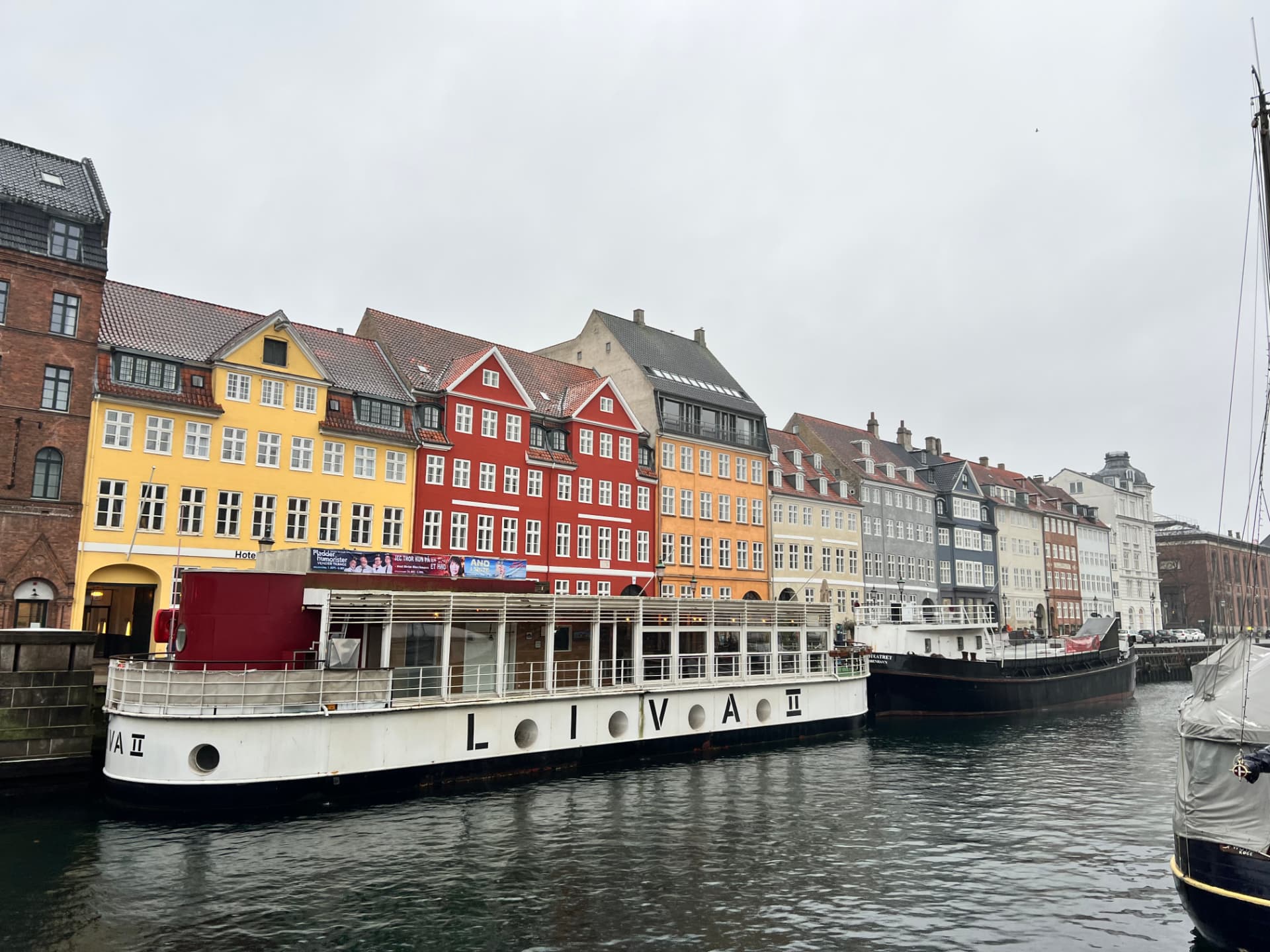
The Real Markers of Belonging
Routine is the first sign. A regular gym, a specific cafe, a barista who has the order ready before it's spoken, these aren't small details. They're the actual architecture of belonging somewhere, built through repetition tourists never stay long enough to accumulate. Language is the second marker, and it shows up in small, involuntary ways before full fluency ever arrives: Arabic phrases slipping naturally into conversations with students and colleagues, without conscious translation happening first.
Community events mark a third threshold. Ramadan became one of the clearest examples: reduced work hours to accommodate fasting colleagues and students, and iftar gatherings at sunset that open the fast-breaking meal to the wider community, practicing and non-practicing alike. A related moment came from an iftar attended in Morocco: an apartment with roughly thirty people, most of them strangers beforehand, sharing food and conversation purely because everyone had been invited into the same shared moment. That kind of hospitality doesn't show up on a tourist itinerary. It shows up when a community decides to fold a visitor into something real.
What Tourists Never Have to Think About
Living abroad long-term as a Black woman came with specific, ongoing considerations that simply don't register the same way for a short visit: modest dress in religious spaces, awareness of how she moves through predominantly Muslim environments, and an early uncertainty about whether the UAE would feel safe at all before actually living there revealed a growing, welcoming Black community. Research on Black traveler behavior backs up how central this consideration is broadly: roughly 79 percent of US Black travelers say safety and a welcoming atmosphere directly shape where they choose to go, and just over half say seeing genuine representation in travel marketing influences that decision too.
This awareness extends to how a long-term resident talks about the place they've chosen to live in. Speaking respectfully about a host country isn't performative loyalty. It's part of what distinguishes someone actively building a life somewhere from someone just passing through and complaining their way toward departure.
The Cost of Refusing to Adapt
Not every long-term stay produces this kind of integration, and the contrast is instructive. Colleagues teaching in Moldova, a country where English is barely spoken at all, chose not to learn Romanian or Russian, communicating in English by default and expecting the country to accommodate them. The result was predictable: no invitations into local homes, no inclusion in community events, a version of Moldova experienced entirely from the outside despite living there for months. Refusing the language wasn't a neutral choice. It was a decision to remain a visitor indefinitely, regardless of how long the visa lasted.
Authenticity Beyond the Hidden-Gem Trap
"Hidden gems" has become one of travel content's most overused, least reliable promises. A two-hour hike to a waterfall, sold online as breathtaking, arrives dried up. A five-hour detour for a ten-minute lookout delivers exactly ten minutes. Genuine authenticity tends to come from something less algorithm-friendly: cooking classes, religious sites approached with real curiosity, walking tours that dig into actual history, and deliberately checking a destination's calendar for community events worth timing a trip around.
There's also room for both. Loving a good tourist trap occasionally doesn't cancel out genuine cultural engagement. The difference isn't refusing every popular spot. It's making sure popular spots aren't the only thing a trip consists of.
What Travelers Can Borrow From Residents
Walking tours as orientation, not destination. A good local guide delivers both the major sites and the context tourists usually miss entirely on their own.
Timing a visit around a real community event, not just a photogenic one. Ramadan, a local festival, a market day, these produce access no landmark can.
Learning enough language to be let in, not just get by. Even minimal effort changes how a place responds to a visitor, invitation by invitation.
Being honest about the version of a place actually being experienced. A week-long trip and a six-year residency are not the same relationship to a country, and neither needs to pretend otherwise to be valuable.

Listen to the full episode
Frequently Asked Questions
What's the real difference between living abroad long-term and visiting as a tourist?
Long-term residents build belonging through routine, language, and community relationships accumulated over time, while tourists typically experience a place through itineraries and landmarks. Long-term living also surfaces considerations, like identity, safety, and community integration, that short visits rarely require.
Do Black travelers consider safety differently when choosing destinations?
Yes. Research on Black traveler behavior has found that roughly 79 percent of US Black travelers say safety and a welcoming atmosphere are major factors in choosing a destination, and just over half say seeing genuine representation in travel marketing influences their decision.
Does learning the local language actually affect how well someone integrates while living abroad?
Yes, significantly. Long-term residents who decline to learn any local language, even in places with little English spoken, tend to remain socially isolated from the local community, missing invitations, events, and relationships that language-learning residents typically gain access to.
What does "authentic travel" actually mean beyond the "hidden gems" trend?
Authentic travel tends to involve deeper engagement, like cooking classes, religious or historical sites, and timing visits around real community events, rather than chasing algorithm-recommended "hidden gem" spots, which frequently disappoint relative to their online hype.
Can a short-term visitor experience a place as authentically as a long-term resident?
Not in the same way, but a short visit can still be meaningful when a traveler prioritizes genuine cultural engagement, like community events, language basics, and local guides, over a purely landmark-based itinerary, even without the years of accumulated routine a resident has.