Too Spanish to Be American, Too American to Be Spanish. That's Not a Problem to Solve.
A conversation with Santi Lozada, who's lived in New York, Spain, Moldova, Luxembourg, and Croatia, on why home stopped being a place and started being a growing list.
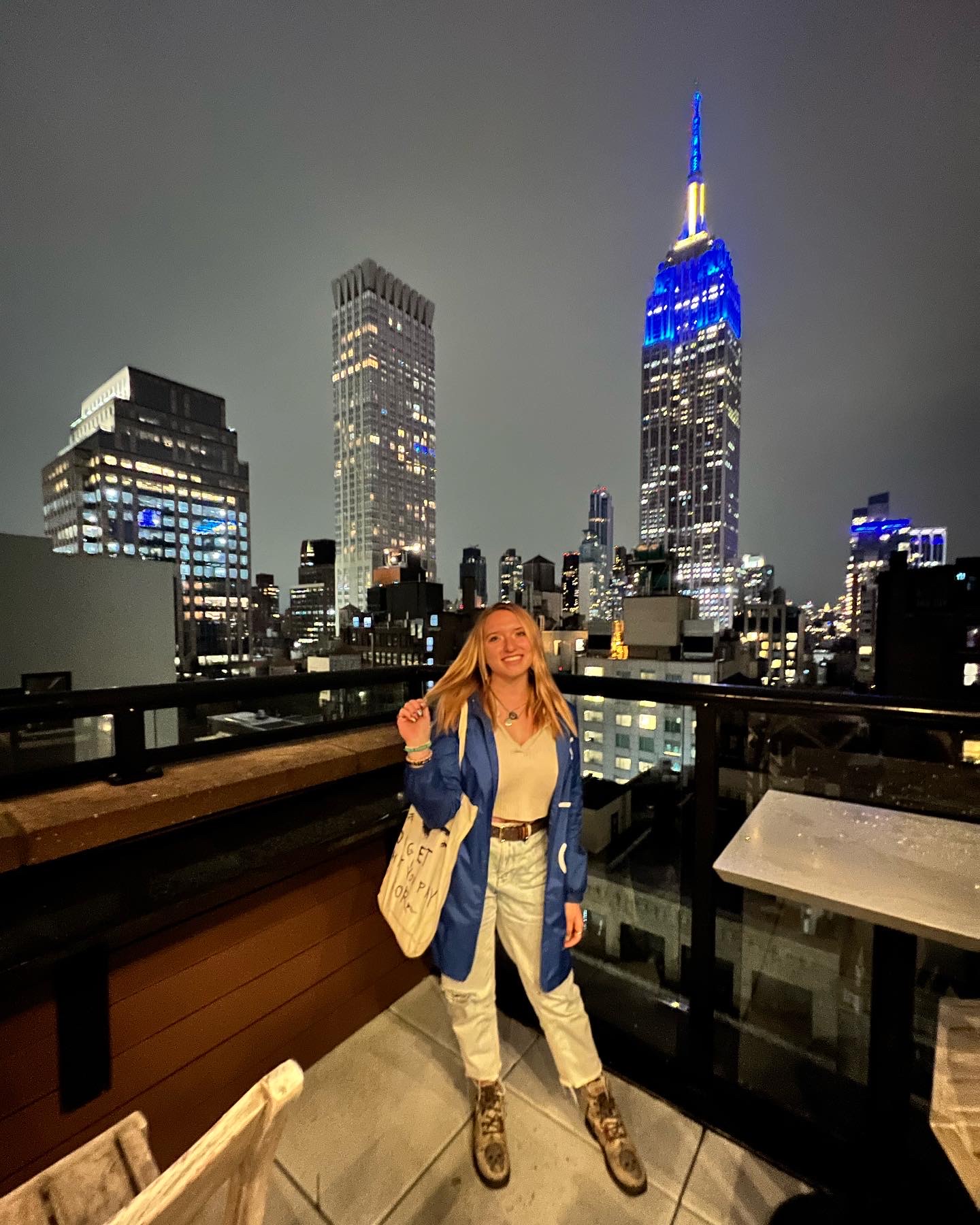
Santi Lozada grew up in New York in a household that spoke only Spanish, attended Spanish class weekly, and returned to Spain every summer, all so the family wouldn't lose where they were from. It worked almost too well. In the US, too Spanish to be fully American. In Spain, too American to be fully Spanish. Two clear categories, and Santi fit neatly into neither, which sounds like a problem needing a resolution. It isn't. It's just a third, entirely valid way of being from somewhere.
There's a well-established term for this: third culture kid, describing people who grow up blending elements of more than one culture rather than fully belonging to either. Rather than a deficiency needing to be resolved into a single clean identity, it's better understood as a genuinely different, valid category of belonging, one where home becomes a growing collection rather than a single fixed location.
A Name for the In-Between
Sociologist Ruth Hill Useem coined the term third culture kid in the 1950s while studying American families living in India, describing children who develop a blended identity from the places they're raised in rather than assimilating fully into either their parents' culture or their host culture. Santi's version of that formed early and stayed: American passport, Spanish citizenship by birthright, a household where English barely got spoken, and a persistent, low-grade sense of being slightly foreign no matter which side of the Atlantic the conversation was happening on. That in-between position isn't a gap waiting to be closed. It's its own actual place to stand.
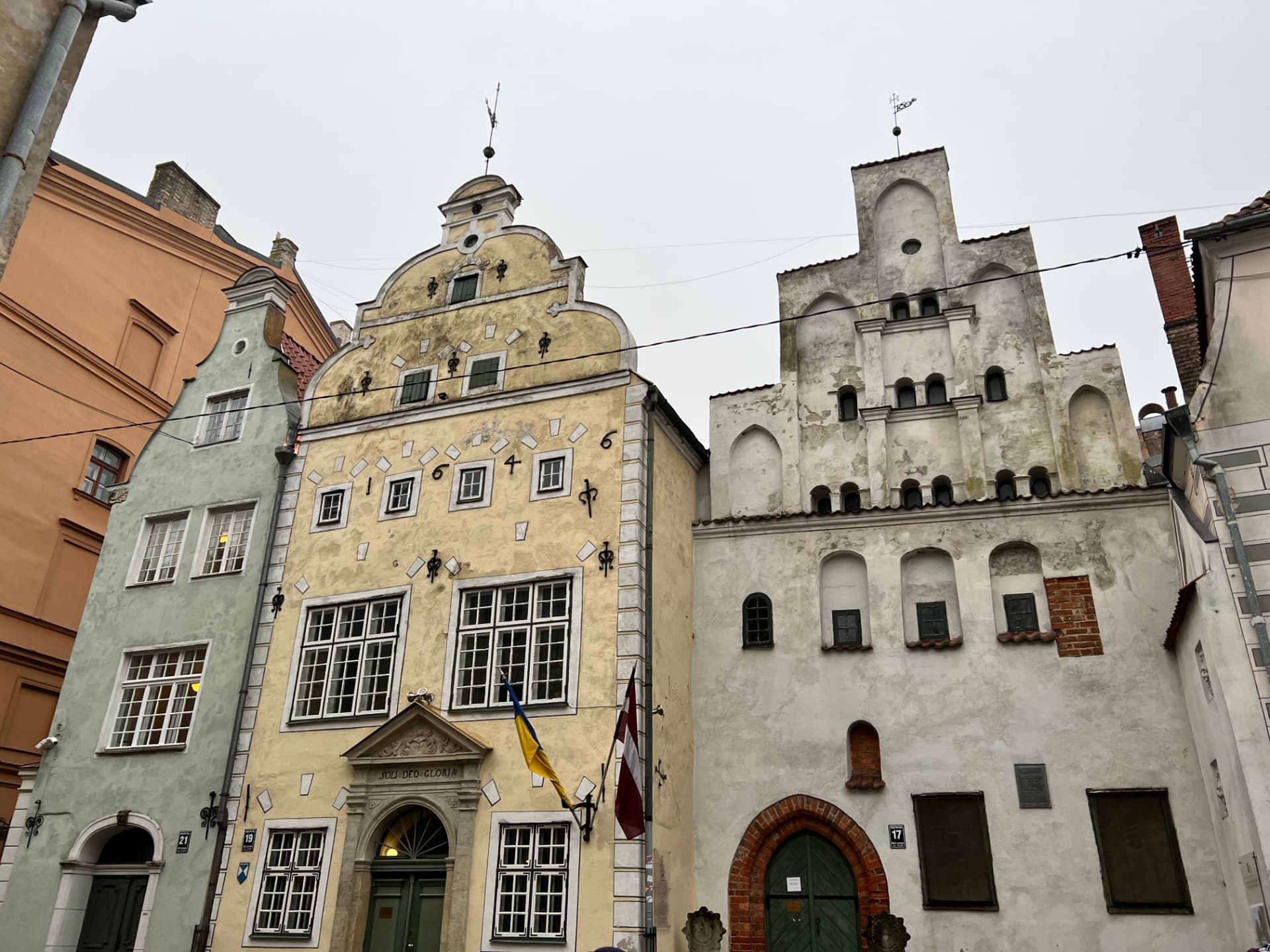
From Two Cultures to a Habit of Collecting Them
That early experience of living between categories didn't resolve once adulthood arrived. It became a pattern. Fulbright brought Moldova, chosen partly because Moldova's own layered mix, Romanian, Russian, Gagauz, Bulgarian, Ukrainian influences all overlapping in one small country, felt instantly familiar to someone already used to existing as a blend. Luxembourg followed, then a stretch in New York, then Zagreb, Croatia, where Croatian's Slavic bones and Mediterranean warmth landed as its own oddly specific echo of growing up between Spanish and something sterner.
The pattern wasn't chasing a place that would finally feel like a clean, singular home. It was gravitating toward places that were themselves mixtures, because that's the only kind of belonging that ever actually fit.
Home as a Collection, Not a Destination
Asked directly where home is now, the answer keeps refusing to simplify. Croatia is home in the sense of daily life. New York is home in the sense of family. A specific town in Spain, with a specific beach visited every childhood summer, is home in the sense of pure, uncomplicated happiness. Home, in this framing, isn't a place waiting to be correctly identified. It's a collection that keeps growing with every place that leaves a real mark, assembled rather than discovered. That definition can feel unresolved by design, and that's not a flaw in it. It's an honest description of what actually happened.

The Expat Stereotype Nobody Wants to Own
Not every part of this life gets romanticized, and one uncomfortable truth deserves saying directly: when locals hear "expat," the first assumption is often about money, specifically the fear that a new arrival is about to help drive up rent and cost of living in a place that wasn't asking for it. That reaction isn't paranoia. Rising costs tied to remote workers and long-term expats are a well-documented pattern in cities that become popular relocation destinations. The honest response isn't defensiveness. It's the harder, more accurate acknowledgment that good intentions don't cancel out actual economic impact, and that earning trust in a new place takes more than explaining you're not "that kind" of expat.
What Family Doesn't Warn You About
One of the quieter costs of building a life abroad rarely gets named in advance: family life keeps moving without you, and coming back doesn't reset it to where it was. Siblings get married. Bedrooms get repurposed into shared TV rooms. Family gatherings happen without an invitation extended, not out of malice, but because everyone's simply adjusted to a version of the family that doesn't automatically include someone who lives somewhere else. Distance doesn't pause a family's evolution. It just means finding out about the changes later and from further away, which is its own specific, underdiscussed grief.
The Simplest Way In
Asked for the single most practical piece of advice for someone about to move abroad, the answer wasn't about paperwork or logistics. It was food, and the willingness to be uncomfortable enough to seek it out alone if necessary. Nearly every culture has some version of dough wrapped around filling, a shared communal dish, a specific drink people gather over, and finding that shared thing tends to open doors that language alone can't. Being willing to eat solo at a restaurant, to say hello to a stranger, to sit with the discomfort of not knowing anyone yet, does more for actually building a life somewhere than any amount of pre-departure research.
Listen to the full episode
Frequently Asked Questions
What does "home" actually mean for someone who has lived across multiple countries and cultures?
For many people who've lived abroad long-term, home stops being a single fixed location and becomes a collection of places and people, each holding a different piece of belonging, rather than one place that needs to be correctly identified above all others.
What is a third culture kid?
Third culture kid is a term coined by sociologist Ruth Hill Useem to describe people who grow up blending elements of more than one culture, typically their parents' culture and the culture of the place they're raised, rather than fully belonging to either one.
Is it common for expats to be viewed with suspicion by local residents?
Yes, in many popular relocation destinations. A common concern among locals is that an influx of expats and remote workers will drive up housing costs and cost of living, a pattern that has been documented in cities that become popular expat hubs.
Does moving abroad change your relationship with your family back home?
Often, yes. Family life and dynamics continue evolving while someone lives abroad, and returning doesn't automatically restore things to how they were, which can create a specific kind of adjustment and grief that isn't always discussed openly.
What's a simple way to start building belonging in a new country?
Food is frequently cited as one of the easiest entry points, since shared meals and dishes tend to create connection across language and cultural barriers. Being willing to eat alone, introduce yourself to strangers, and sit with initial discomfort also helps build genuine local relationships.