English Doesn't Have a Word for What She Felt. Romanian Does.
Dor, an untranslatable Romanian word for longing, and a bus schedule with no timetable, just a photo of a sign. Two small proofs that living abroad rewires more than vocabulary.
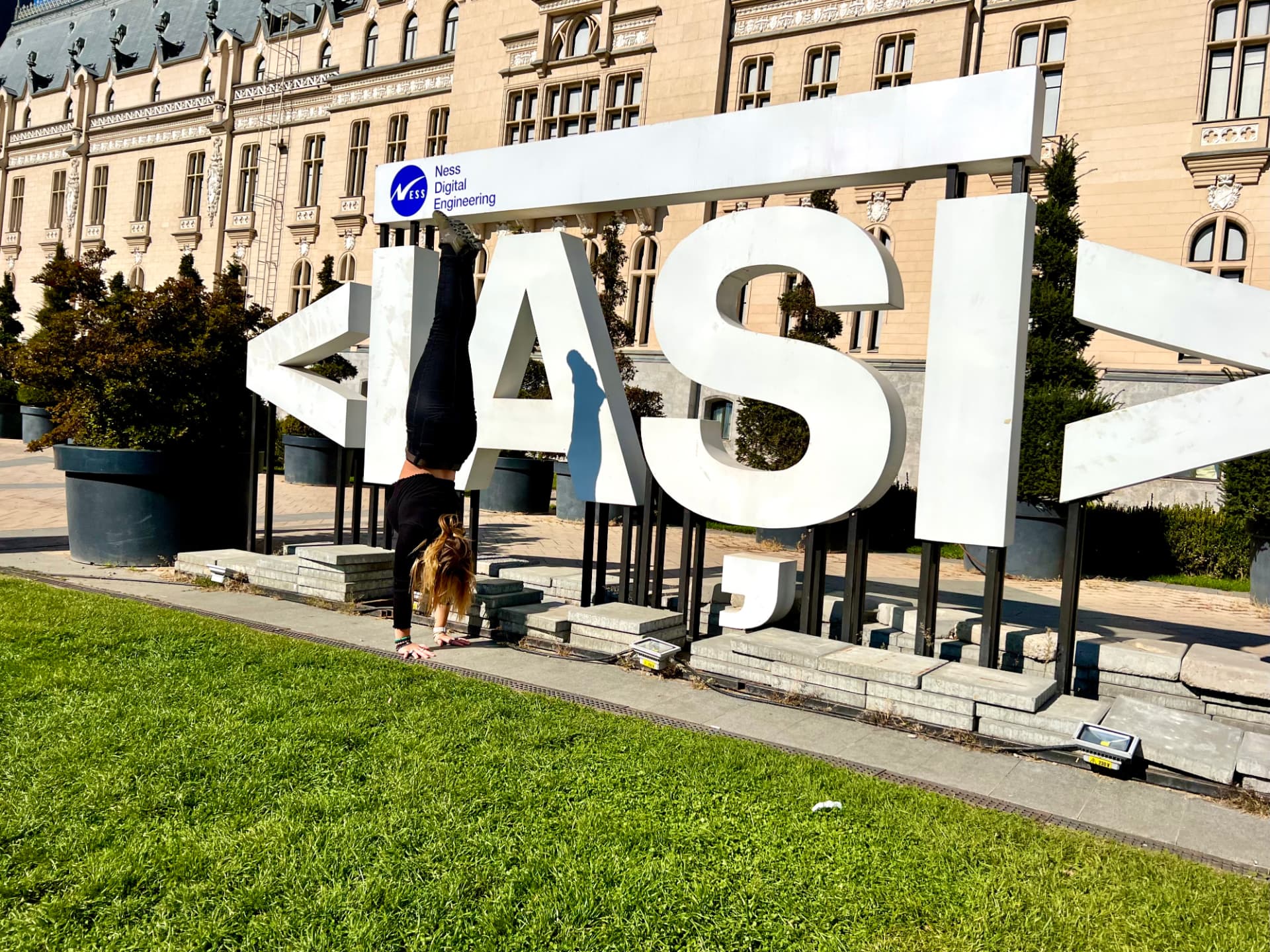
Dor. Four letters, one syllable, and no clean English equivalent no matter how it gets approached. The closest translation lands somewhere around longing, a sense that part of you is missing, but that phrase is a shadow of what dor actually carries for the Romanian and Moldovan speakers who use it constantly, poetically, to describe missing a person or a place or a version of themselves. Hearing it used for the first time, and realizing there was simply no way to feel it back in English, was the first real proof that a second language doesn't just add vocabulary. It adds entire rooms of feeling that didn't exist before.
Learning a new language doesn't just make communication possible in a new place. Research on untranslatable emotion words, and the direct experience of learning to feel in a second language, both suggest that language actively shapes which emotional and cognitive experiences become available, not just how those experiences get described afterward.
A Word English Simply Doesn't Have
Dor sits in an unusual linguistic category: words that name real, commonly felt experiences that a given language, in this case English, never bothered to name at all. Researchers studying what's sometimes called positive cross-cultural lexicography have cataloged hundreds of these untranslatable emotional and psychological terms across dozens of languages, arguing that each one represents a genuine gap in another language's emotional vocabulary, a feeling other cultures named clearly and English simply never got around to. Asking multilingual people directly whether they feel emotion equally across every language they speak produces wildly different answers. Some describe full emotional access in a second language. Others describe something closer to reciting lines, technically correct, but colder, thinner, once removed from the feeling itself.
Learning to Switch Selves, Not Just Languages
Something specific happens in the process of learning to feel fluently in a second language, not just speak it. Certain topics now surface more naturally in Russian than in English, entire conversations about a specific stretch of life abroad that seem to want that language specifically, accent shifting slightly, energy shifting along with it. That's not a party trick. It's closer to genuine code-switching at the level of self-expression: different languages carrying different emotional registers, different memories, different versions of how a thought gets shaped before it becomes words. The language doesn't just translate the self. It seems to organize a slightly different self underneath it.
When the Bus Schedule Is a Photo of a Sign
Instincts change too, not just vocabulary and feeling, and one small logistical story makes that concrete. Getting from a small Moldovan city into Iași, Romania, meant relying on a minibus system, a "mashrutka," with no published schedule anywhere online. The actual system: photograph the handwritten departure times taped to the vehicle's windshield, since that placard was the only record of the schedule that existed. Arrive early enough, and the van might leave early too, sometimes departing within minutes of filling up rather than at any fixed time at all.
The return trip taught the harder lesson: the same opacity applied in the other direction, and when a bus or train simply didn't show, there was no app, no updated schedule, nothing to check. The instinct that developed wasn't proactive planning. It was intelligent reactivity: running through backup option after backup option the moment plan A failed, testing each one until something worked, rather than freezing or panicking when the first plan collapsed. That instinct doesn't switch off once safely back in a country with real-time transit apps. It just stops being necessary as often.
What Carries Forward
Instincts formed this way tend to outlast the circumstances that built them. Flexibility that once applied to finding a departure time now applies to almost anything unplanned. A different sense of how confrontation gets handled, learned from watching disagreement in Indonesia stay quiet and indirect rather than loud and immediate, reshaped what felt like the "normal" way to manage conflict at all. None of this is a costume that gets put on for a trip and taken off at the airport arrival gate. It becomes the actual operating instructions, carried home and used everywhere afterward, whether or not it matches what everyone else around you is doing.
What This Adds Up To
A word with no English equivalent. A transit system that lived entirely on a handwritten sign. A version of conflict resolution borrowed from somewhere else entirely and never given back. None of these are dramatic, cinematic transformations. They're small, structural changes to how a mind actually processes an unfamiliar situation, accumulated one unfamiliar situation at a time. The real question worth sitting with after any trip isn't what got seen. It's what got quietly rewired in the process of seeing it.

Listen to the full episode
Frequently Asked Questions
Can learning another language actually give you access to emotions or ways of thinking your native language doesn't have words for?
Many multilingual speakers describe experiencing certain emotions or concepts more fully in a specific language, particularly when that language has a word for a feeling their native language never named. Research on untranslatable emotion words supports the idea that language shapes which emotional experiences are easiest to access and express.
What does the Romanian word "dor" mean?
Dor is a Romanian and Moldovan word commonly translated as longing, though it more precisely describes a poetic, deeply felt sense that a person, place, or part of oneself is missing. It's frequently cited as an example of an emotion word with no direct English equivalent.
Does living abroad actually change your instincts and personality?
Yes, according to many people who've lived abroad long-term. Adapting to unfamiliar systems, like unreliable transportation or different conflict-resolution norms, tends to build new instinctive responses that often persist even after returning home, rather than fading once the original circumstances end.
What is the Positive Lexicography Project?
The Positive Lexicography Project is an ongoing academic effort cataloging hundreds of untranslatable words from languages around the world that describe emotional and psychological states without a direct English equivalent, aiming to expand understanding of wellbeing and emotional experience across cultures.
Why do some multilingual people say they feel different emotions depending on which language they're speaking?
Different languages can carry different emotional associations and memories tied to when and where they were learned, which is why some multilingual speakers report feeling more emotionally fluent or expressive in one language over another, even when they're technically proficient in both.