There Was No Program. That Was the Program.
No local center, no cohort, no roadmap. Just a suitcase, a classroom, and a town in Moldova. The real origin story behind Put the Guidebook Down.
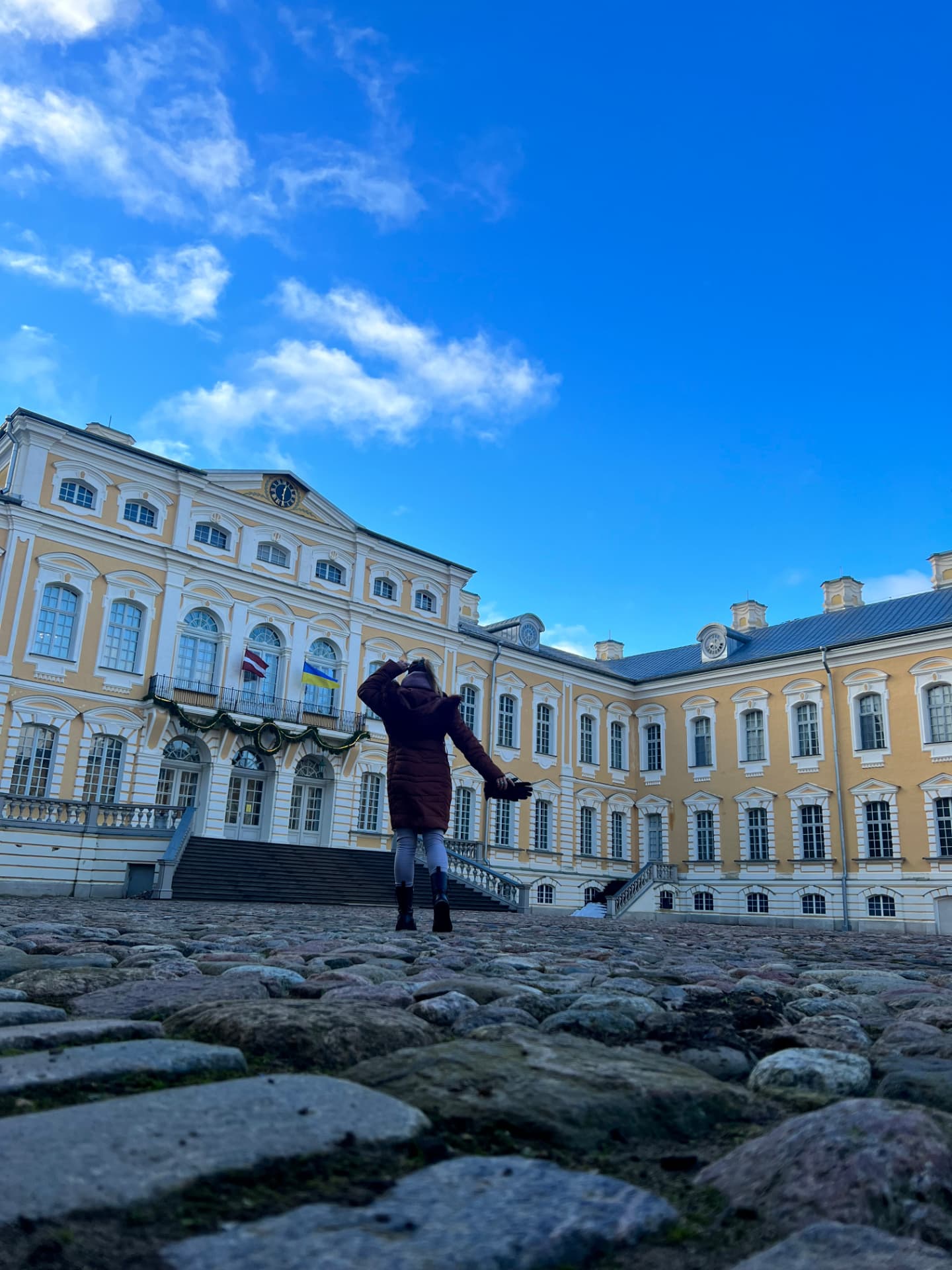
Most Fulbright English Teaching Assistant placements come with a local center, an organized cohort, a support structure built specifically to ease the transition into a new country. Moldova's program had none of that. No local center. No dedicated group of fellow Fulbrighters checking in. Just a suitcase, a classroom, and a town most of the cohort had never heard of, handed over with a level of instruction that amounted to good luck. Even other Fulbrighters reacted with open disbelief once the specifics of the assignment came out. There was no scaffolding around any of it. That absence turned out to be the actual foundation everything else got built on.
Genuine cultural immersion doesn't come from a well-organized program with built-in support. It tends to come from the opposite: being placed somewhere with minimal structure, forcing direct reliance on local relationships, language, and daily problem-solving rather than an institution designed to buffer the transition. The gaps in support aren't a failure of the system. They're frequently what makes the immersion real.
What Happens Without a Safety Net
Being one of the only Fulbrighters in the cohort without any prior experience living abroad, and landing in the program's least-supported placement, wasn't the setup anyone would have chosen deliberately. It forced something a more structured placement might never have required: real, fast, self-directed adaptation. A program built to smooth over every unfamiliar moment produces a very different experience than one that offers none of that smoothing at all. The second version is harder. It's also the version that actually changes someone.
Open-Mindedness, Measured in Weeks
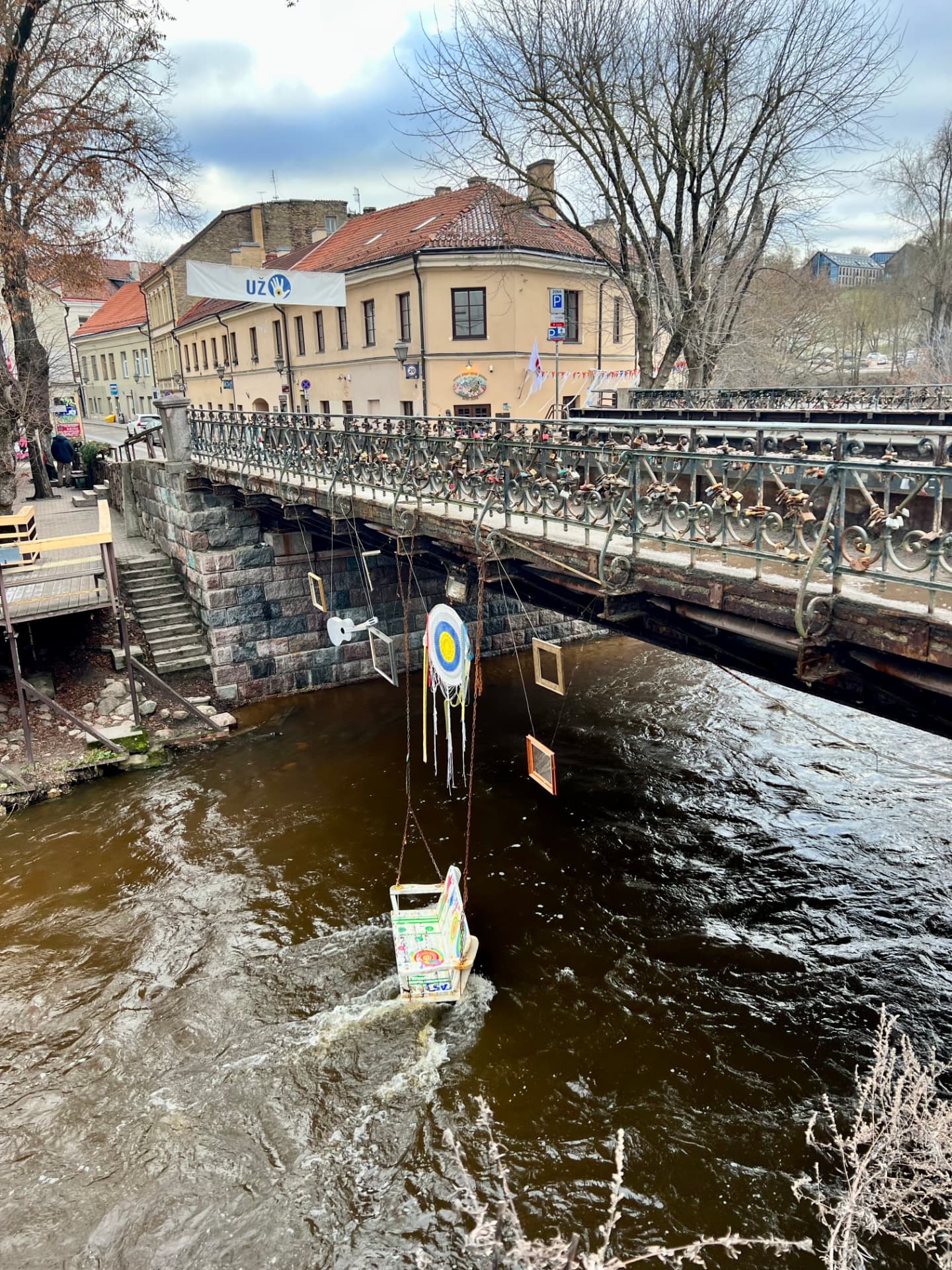
Fluency wasn't optional when there was no one nearby to translate on request. Functional Romanian and Russian arrived within roughly two months, not because language learning was a personal specialty, but because daily survival required it: navigating conversations, eventually helping translate for others, moving through community life at a level no guidebook phrase list could have prepared for. Openness wasn't a personality trait applied to the trip. It was the specific, practical skill that made the trip possible to live inside at all.
What Grocery Shopping Actually Taught
Running water wasn't drinkable, which meant daily trips carrying water jugs home from a store, a small but constant physical reminder of what usually goes unnoticed until it's suddenly a task. Grocery stores, in the conventional sense, barely existed either. Instead: a patchwork of individual vendors, eggs from one person, cheese from another, tomatoes from someone else entirely across town, each transaction its own small relationship rather than a single trip down a single aisle. It was, by any convenience standard, inefficient. It was also entirely real, built on the same rhythm the actual community ran on. Students eventually pointed the way toward Kaufland, the closest thing to a one-stop store, a discovery worth a seventy-minute round-trip walk once it was found. Adaptability wasn't an abstract virtue here. It was carrying water jugs and learning six different vendors' schedules, one inconvenient, unglamorous errand at a time.
The Lesson Nobody Warns You About
Living abroad can be lonely in a way that rarely makes it into travel content built to look aspirational. There were entire stretches of days without a single real conversation, alone with nothing but the actual discomfort of that silence to sit inside. This is worth naming plainly and separately: solitude and loneliness aren't the same experience, even though they get treated as interchangeable. Psychologists studying solitude have found that time spent alone under the right conditions, chosen rather than purely imposed, connected to self-reflection or personal growth rather than pure isolation, can build genuine self-reliance and emotional regulation rather than simply eroding wellbeing. The distinguishing factor isn't whether someone is physically alone. It's whether that aloneness eventually turns outward again, toward genuine connection, or stays sealed off entirely.
That's exactly what happened here. The discomfort of solitude became the specific push toward starting conversations, joining locals on ordinary errands, building friendships that had nothing performative behind them. Comfort with being alone didn't replace connection. It became the precondition for finding real connection instead of a performed version of it.
What These Three Lessons Actually Built
Open-mindedness, adaptability, and comfort in solitude weren't separate takeaways collected along the way. They compounded into a single operating principle: cultural travel isn't about sightseeing. It's about seeing deeply, which requires exactly the kind of friction a fully supported, fully buffered program would have quietly removed. A missing safety net isn't something to romanticize carelessly, and safety always comes first. But when the scaffolding is thin by circumstance rather than recklessness, what gets built directly, through necessity rather than convenience, tends to last. That's the actual origin point everything else grew out of.
This essay was first published as a written companion piece, not a spoken episode: Read the original on Substack · Subscribe for new essays
Frequently Asked Questions
What actually produces genuine cultural immersion when traveling or living abroad?
Genuine immersion tends to come from limited structural support rather than a highly organized program, since minimal scaffolding forces direct reliance on local relationships, language learning, and daily problem-solving instead of institutional buffers that ease the transition.
Is Moldova's Fulbright English Teaching Assistant program different from other country placements?
Yes. Unlike many Fulbright ETA programs that include a local center and organized cohort support, Moldova's program has historically offered minimal structured support, placing participants directly into assigned towns with limited guidance.
What is the psychological difference between solitude and loneliness?
Loneliness is generally defined as a distressing feeling resulting from a lack of desired social connection, while solitude, particularly when self-chosen and connected to reflection or personal growth, can support self-reliance and emotional regulation rather than eroding wellbeing.
Why might difficult or under-supported travel experiences be more transformative than easier ones?
Difficult, minimally supported experiences often force real-time adaptation, language learning, and direct community engagement that a more cushioned experience might not require, which can lead to deeper, more lasting personal change.
How did daily life challenges, like water access or grocery shopping, shape long-term adaptability?
Navigating basic daily tasks in unfamiliar systems, such as carrying water due to undrinkable tap water or relying on multiple small vendors instead of a single grocery store, builds practical adaptability and patience that extends well beyond the original circumstances.