The Itinerary Was Supposed to Prevent FOMO. It Became the FOMO.
A canceled excursion in Belgrade, a reroute through the Romanian mountains, and the psychology of why leaving gaps in your itinerary produces better stories than filling every hour ever could.
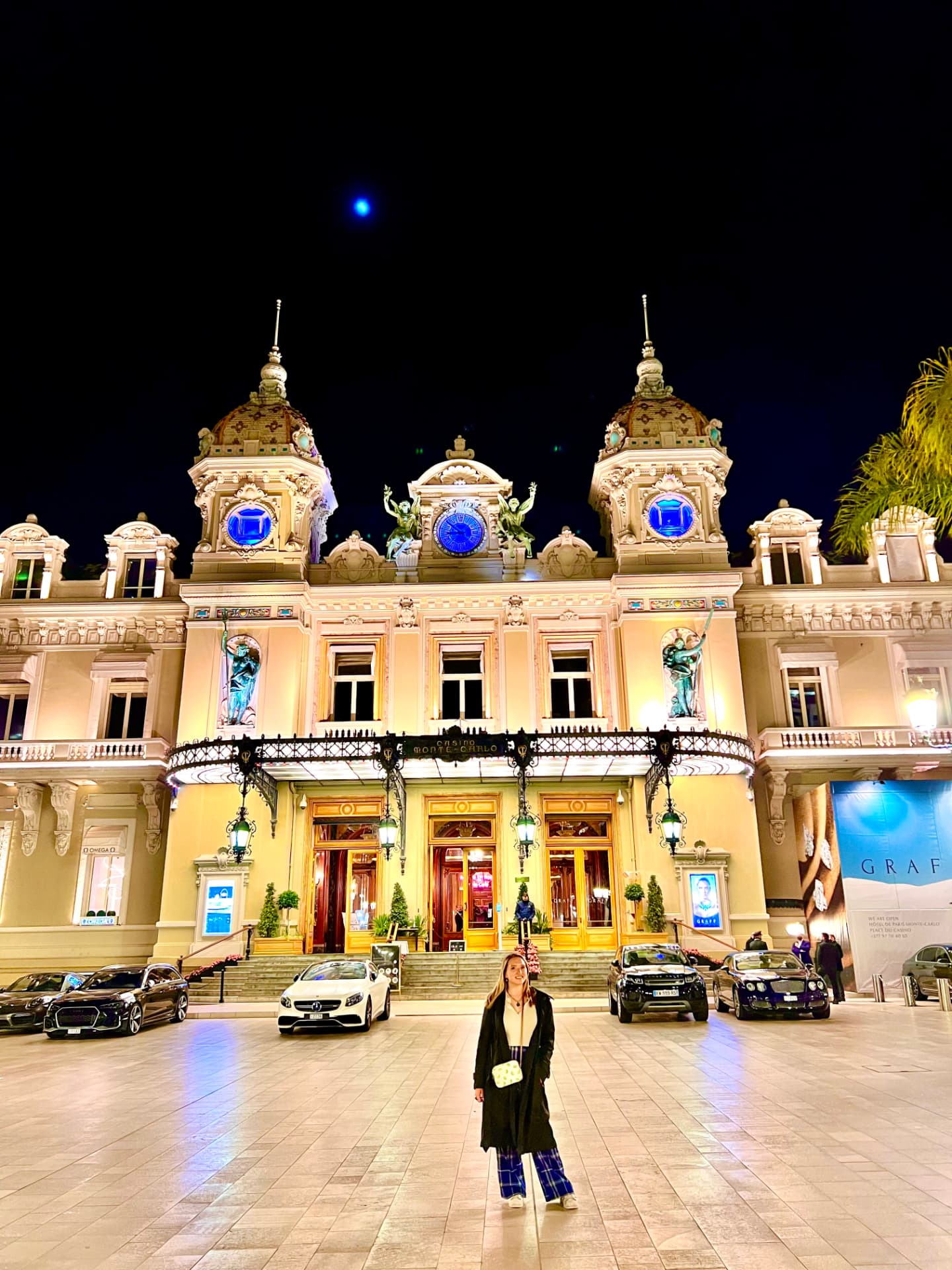
Every excursion beyond the capital was supposed to happen on schedule. Bad weather and a stretch of holiday closures canceled nearly all of them, all at once, leaving an entire trip to Belgrade without the itinerary it had been built around. What filled the gap instead: a group of expats staying at the same hostel, several months into their own time in the city, who folded a stranded traveler into their days and showed her a version of Belgrade no checklist would have produced. The trip that had "failed" on paper became one of the ones that actually stuck.
Over-planning a trip is often driven by a psychological pattern called intolerance of uncertainty, a documented tendency to over-prepare specifically to avoid the discomfort of not knowing what will happen. The irony is that this strategy tends to backfire: rigid itineraries built to prevent FOMO often produce more anxiety than the uncertainty they were meant to eliminate, while leaving room for the unplanned tends to generate the experiences travelers actually remember.
The Checklist That Was Supposed to Fix the Feeling
Influencer-built itineraries, three-day guides, five-day guides, the "don't miss this" lists that dominate travel content now, promise something specific: follow this exactly, and the trip is guaranteed to be good. That promise runs on a very particular kind of pressure, the fear of not hitting the "right" spots, not getting the shot everyone else got, not doing the destination "correctly" by whatever standard social media has quietly established. Following the list to the letter didn't remove that fear. It fed it. Every item checked off just made the ones still unchecked feel more urgent, more necessary, more like evidence of a trip done wrong.
Why the Planning Itself Was the Problem
There's a real psychological explanation for why airtight planning so often backfires this way. Psychologists studying what's called intolerance of uncertainty have found that some people manage anxiety about unknown outcomes by over-preparing and over-controlling every detail they can, a strategy that feels protective in the moment but tends to maintain or even increase anxiety over time rather than resolving it. A trip planned "down to the T" wasn't actually about efficient travel. It was an attempt to eliminate uncertainty entirely, and uncertainty, it turns out, isn't the enemy it gets treated as. The FOMO wasn't cured by more planning. It was manufactured by it, a checklist that expanded to fill exactly as much anxious attention as it was given.
Three Trains, a Construction Detour, and a Friend Who Said Just Show Up
A trip across Romania, from a home base in Iași all the way to Oradea on the opposite side of the country, was supposed to involve three straightforward train connections to visit a former student turned close friend, Anastasia, who had relocated there for university. Construction rerouted the whole plan into a train, a station change, and a bus that cut through mountains and small villages instead. The trip itself had almost no structure beyond a destination and a list of a few local recommendations gathered secondhand. Anastasia's advice going in: don't worry about it, just show up.
That was genuinely difficult advice to take. It also produced one of the most memorable trips on record: reconnecting with people met on entirely separate journeys who happened to also be in the area, being folded into a friend's own friend group, an impromptu stop at a local clothing market, one unplanned good thing after another. None of it could have been scheduled in advance, because none of it existed yet at the point the trip was booked.

When Someone Else's Lack of a Plan Becomes the Plan
Budapest offered the dynamic in reverse. A trip that started with a real, structured itinerary intersected with a group of hostel travelers who had shown up with no plans at all, no return date, no fixed itinerary, nothing beyond a willingness to see where the days led. They joined the planned itinerary instead of the other way around, and the resulting friendships have lasted well past the trip itself, including one that later turned into a documentary filmed together back in Moldova. Structure and spontaneity aren't actually opposites. They're more like two different entry points into the same experience, and either one can end up absorbing the other.
How to Actually Build the Gap In
For anyone who plans compulsively, the shift doesn't require abandoning structure entirely. It starts smaller: a few open hours in an otherwise scheduled day, or one full day left intentionally blank to wander toward whatever feels right in the moment. Three concrete habits make that blank space usable rather than just empty: asking locals what's worth doing instead of relying solely on an app, especially in places where digital listings lag behind reality; actually following sensory cues, the smell of good food, music pulling from somewhere nearby, rather than a fixed route; and using even a few words of the local language, which tends to change how willingly people offer real recommendations rather than the ones aimed at tourists. Structure gives a trip its direction. Spontaneity is what actually gives it a story.
What Actually Gets Left Behind
Travel isn't a checklist. It's closer to a conversation, one that requires leaving space for someone else, or something unplanned, to actually respond. The tighter an itinerary gets, the less room remains for anything to talk back. The real question worth sitting with before the next trip isn't whether every recommended stop got hit. It's whether there was ever enough unclaimed time for something better than the list to happen instead.
Listen to the full episode
Frequently Asked Questions
Why does trying to plan every detail of a trip often create more anxiety than it prevents?
Rigid, detailed planning is often driven by intolerance of uncertainty, a documented psychological pattern where over-preparing is used to manage discomfort with the unknown. Rather than reducing anxiety, this approach can intensify it, since every unplanned or unchecked detail starts to feel like evidence the trip is being done "wrong."
What is intolerance of uncertainty?
Intolerance of uncertainty is a psychological construct describing a tendency to find unpredictable or unknown situations distressing, often leading to excessive planning, worry, or avoidance as a way of managing that discomfort, even though these strategies tend to maintain anxiety rather than resolve it.
How can travelers build more spontaneity into a trip without abandoning structure entirely?
Leaving a few open hours or one unscheduled day within an otherwise planned itinerary, asking locals for recommendations instead of relying only on apps, and following sensory cues like smell or sound can create space for spontaneous experiences without requiring a fully unplanned trip.
Do unplanned travel experiences actually create better memories than planned ones?
Many travelers report that unplanned or spontaneous moments, like unexpected friendships or detours, become the most memorable and meaningful parts of a trip, often because they involve genuine connection with locals or fellow travelers rather than scripted sightseeing.
Why do travel influencer checklists and "must-see" lists sometimes make trips more stressful?
Influencer-driven checklists can create pressure to hit specific locations or experiences to feel like a trip was done "correctly," which can generate fear of missing out and reduce the sense of curiosity and presence that leads to deeper cultural engagement.