Latvia, Lithuania, and Estonia Blurred Together in Her Memory. Poland Didn't.
Seven countries in six weeks left three of them nearly indistinguishable in memory. Slowing down for the last stop changed everything. Here's the psychology behind why.
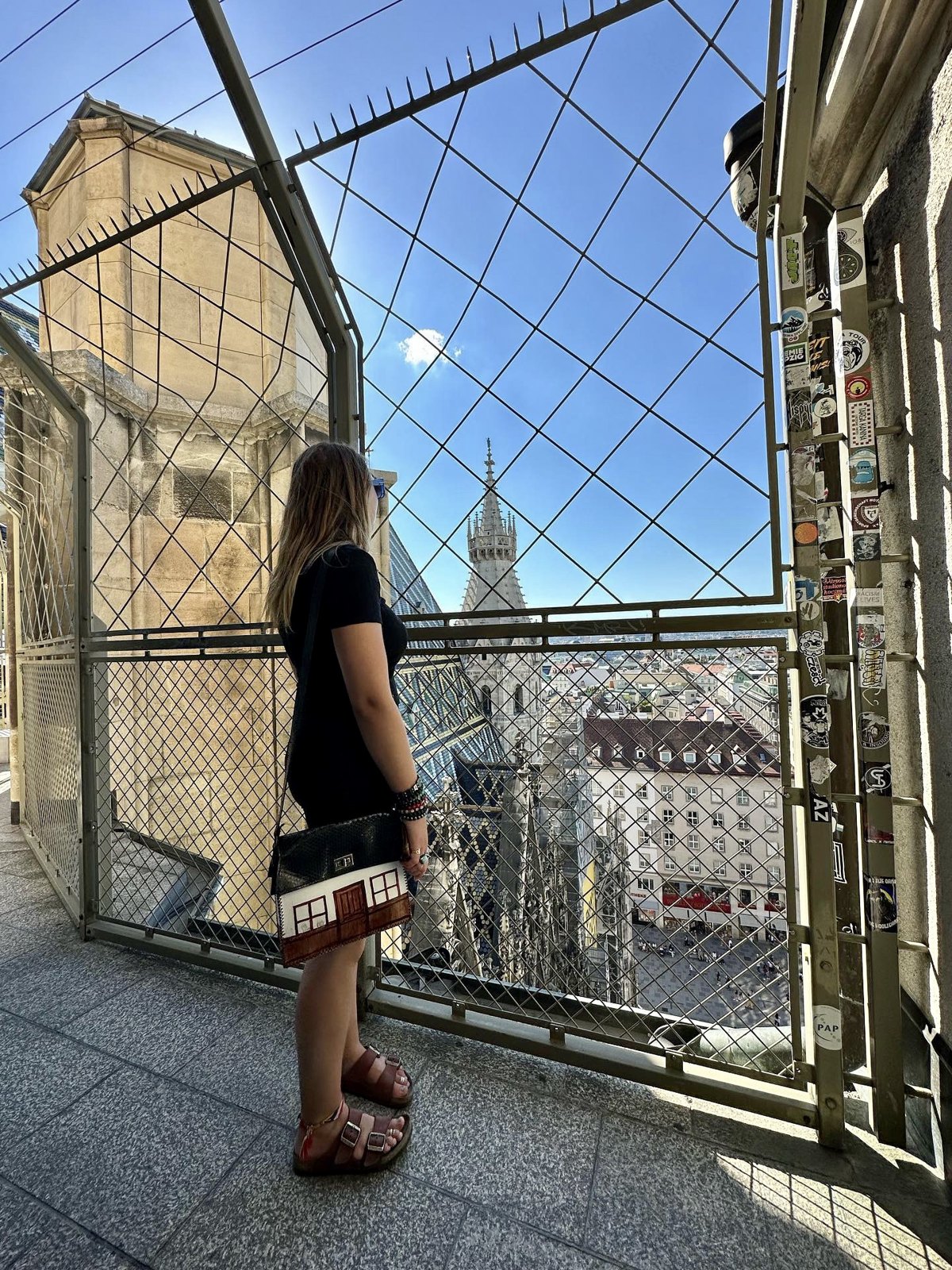
Seven countries in a month and a half sounds impressive as a country count. It felt, in practice, like most of the trip happened on a bus. By the time the Baltic leg wrapped, Latvia, Lithuania, and Estonia had started to blend into a single indistinguishable stretch of photos: bus, thirty minutes of walking, photo, bus again, repeated until the specific memories stopped attaching to specific places. The final stop, an extended stay in Poland, produced the opposite effect entirely. Every conversation, every market, every walk is still recallable in detail.
Fast, checklist-driven travel produces less durable memory and less genuine satisfaction than slower travel, not because more destinations are inherently bad, but because rushing removes the conditions memory actually depends on: attention, unhurried presence, and enough time in one place for the brain to process what's happening rather than just registering that it happened.
Travel Started Acting Like a To-Do List
Country counts get dropped into conversation the way résumé bullet points get dropped into interviews, treated as proof of accomplishment rather than description of an experience. Itineraries function the same way: a checklist standing in for actual memory, evidence that enough got done rather than a record of what any of it felt like. Nobody assigned that homework. It got adopted anyway, mostly from watching other people's highlight reels and content-optimized recommendations, and mistaking their pace for a requirement.
One estimate, from the tourism-monitoring startup Murmuration and reported by National Geographic, holds that roughly 80 percent of global travelers visit just 10 percent of destinations worldwide, concentrating enormous tourism pressure onto a small handful of places. That concentration is shaped in part by travel content and guided tours built around cramming maximum coverage into minimum time, optimized for a "dream trip" checklist rather than for depth in any single place on it.
What Seven Countries in Six Weeks Actually Felt Like
That Baltic bus tour is the clearest personal example of what over-compression costs. Roughly 70 percent of that segment happened in transit, waking up on a moving bus, walking around a new city for thirty minutes to an hour, taking photos, boarding again. It wasn't unpleasant exactly. It also wasn't really being anywhere. Looking back at the photos now, distinguishing what happened in Latvia from what happened in Lithuania takes real effort, not because the countries are culturally interchangeable, but because there was never enough unhurried time in any of them for a distinct memory to actually form.
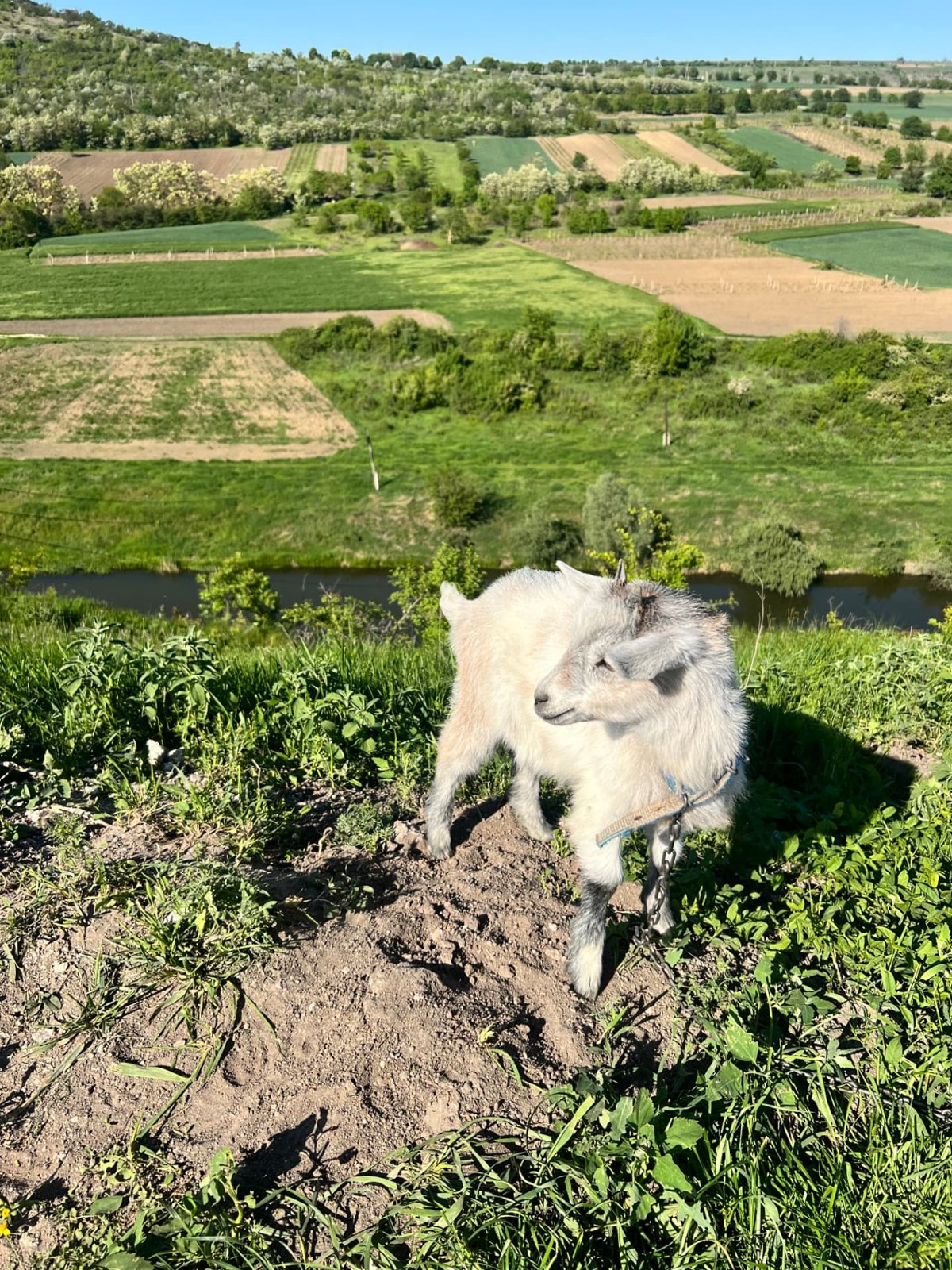
Poland, the trip's final and extended stop, worked completely differently. Splitting time between a few cities and villages, walking rather than rushing between transit options, taking public transportation once the pace slowed down enough to actually notice it, produced something the earlier legs never did: specific, retrievable memory. Who was talked to, what the market smelled like, how people greeted each other on the street, all of it recallable months later with real clarity, not because Poland was inherently more remarkable, but because there was finally enough time and attention available to actually register it.
The Research Behind Why This Happens
Slow tourism research links longer stays to deeper interaction with local businesses, communities, and everyday culture, along with measurably lower stress and higher post-trip satisfaction. The mechanism makes intuitive sense once named directly: rushing leaves no cognitive space for absorption. A brain moving from bus to landmark to bus again is managing logistics, not processing experience. Slowing down doesn't just add more time. It creates the actual conditions memory formation depends on.
That's also why the things people remember longest after a trip are rarely the monuments. Fifty percent of the churches and museums from a fast European circuit blur together within a year, largely interchangeable stone and glass viewed at the same rushed pace as everything else. Meals, conversations, unplanned wrong turns, these tend to survive intact, because they happened at a pace the brain could actually keep up with.
What Rushing Costs the Places Themselves
The damage isn't limited to personal memory. When tourism concentrates into the same short list of destinations, all arriving on similarly compressed schedules, local economies become disproportionately dependent on tourism revenue, local routines start reorganizing around visitor flow rather than coexisting alongside it, and any single disruption, a natural disaster, a political shock, a pandemic, threatens to collapse the entire local economy at once. Jakarta offers a real illustration of what happens when a place absorbs unmanaged density for too long: severe overcrowding, pollution, and sinking infrastructure have become serious enough that Indonesia is relocating its capital entirely to Nusantara on Borneo, a genuinely drastic response to what concentrated overuse can eventually force a place into confronting.
What Slower Actually Requires
None of this demands unlimited time or a permanently open calendar. It requires a real shift in what a trip gets measured by afterward: fewer destinations, chosen deliberately, engaged with fully, instead of more destinations touched briefly and half-remembered. It requires tolerating the discomfort of not seeing everything, and trusting that a place worth returning to will still be there to return to.
The Actual Question
If success on a trip wasn't measured by country count or checklist completion, what would it be measured by instead? Presence. Respect. Actual understanding of somewhere, rather than proof of having passed through it. A place doesn't need to be seen entirely to be worth visiting. Sometimes the better goal is letting one place actually see the person standing in it.
Listen to the full episode
Frequently Asked Questions
Why does fast, checklist-style travel often feel unsatisfying afterward?
Rushing between destinations leaves little cognitive space for the brain to process and store detailed memories, which is why fast multi-country trips often produce blurred, hard-to-distinguish recollections compared to slower travel, even when more places were technically visited.
Is it true that most tourists visit only a small number of destinations?
Yes, by one widely cited estimate. The tourism-monitoring startup Murmuration, as reported by National Geographic, puts it at roughly 80 percent of global travelers visiting just 10 percent of the world's destinations, concentrating tourism pressure heavily onto a relatively small number of popular locations.
Does slow travel actually improve memory of a trip?
Research on slow tourism links longer stays to deeper interaction with local culture and communities, along with lower stress and higher satisfaction, both of which support stronger, more detailed, and more easily recalled memories compared to fast, compressed itineraries.
What is travel burnout, and how is it connected to checklist-style itineraries?
Travel burnout refers to the exhaustion and emptiness some travelers feel after fast-paced, tightly packed trips, often caused by constant movement, limited rest, and pressure to complete a predetermined list of sights rather than genuinely engaging with any one place.
How does overtourism affect the destinations themselves, not just travelers?
Concentrated, high-volume tourism can make local economies overly dependent on visitor spending, disrupt everyday local life, and strain infrastructure and the environment, sometimes to the point of prompting drastic responses, as seen with Jakarta's severe overcrowding contributing to Indonesia's decision to relocate its capital.