We Made Travel Effortless. That's Exactly Why It Stopped Changing Us.
More trips, more photos, more AI-planned itineraries, and somehow less impact. Research on GPS, novelty, and memory explains why removing friction from travel also removed its transformation.
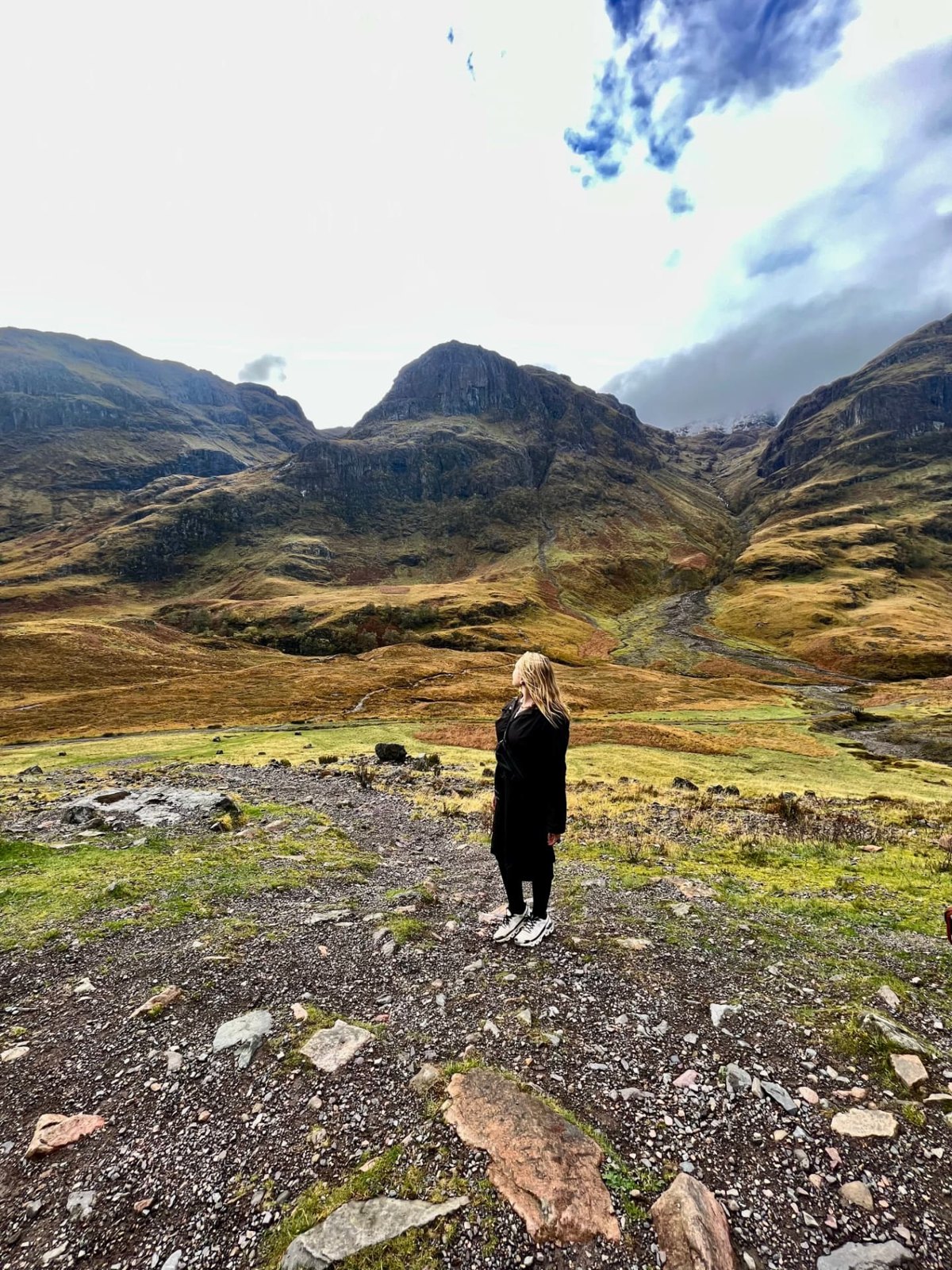
Getting lost used to be part of the trip. Printed directions, word-of-mouth from strangers, a real chance of ending up somewhere unplanned. Now there's a peer-reviewed booking platform, an AI itinerary, and turn-by-turn directions the whole way there. Travel got dramatically easier over the last two decades. So why do so many trips now come home feeling emotionally forgettable?
Removing friction from travel, GPS instead of getting lost, AI itineraries instead of curiosity, pre-seen locations instead of discovery, has also removed much of what made it transformative. Research on GPS use and spatial memory, along with what psychologists know about novelty and emotional memory, explains why more travel is producing less change.
Travel Used to Require Getting Lost
Before smartphones, trip planning meant printed directions, local word of mouth, and a real amount of uncertainty. People got lost constantly, and when they apologized for it, everyone believed them, because it actually happened all the time. That friction wasn't a flaw in old-school travel. It was doing real work.
Now travel review platforms remove the risk of a bad booking, AI handles the itinerary, and turn-by-turn navigation removes the need to actually read a place while moving through it. Every one of those tools is genuinely useful. Every one of them has also quietly stripped something out of the experience.
What the Research Actually Shows
Novelty and unpredictability produce stronger emotional memories, because the brain pays closer attention to unfamiliar experiences than familiar ones. That's the same mechanism that makes a first-time visitor notice a street performer a local has stopped seeing entirely, hyper-exposure dulls the response, and true novelty sharpens it.
GPS reliance works against that mechanism directly. Research on habitual GPS use found that people who rely heavily on turn-by-turn navigation show measurably weaker spatial memory and reduced engagement of the hippocampus, the brain structure most responsible for building an internal map of a place. Getting lost used to force real engagement with an environment. Following a blue dot on a screen doesn't require noticing anything at all.
Recognition Isn't the Same as Discovery
Here's the deeper shift: most travel today isn't discovery anymore. It's recognition. Enough photos and videos of a landmark exist online that arriving in person can feel like confirming something already known, rather than encountering it for the first time. Psychological research on repeated exposure shows the same pattern: the more a stimulus has already been consumed before the real encounter, the less emotional intensity that encounter carries. Pre-scrolling a destination for months before visiting spends down some of its emotional impact before the trip even starts.
This shows up in something as small as a checklist expectation: feeling obligated to visit a specific landmark, the Taj Mahal, the Eiffel Tower, not out of genuine curiosity but because skipping it would make the trip feel incomplete. That's not exploration. That's completing a list someone else built.
Documentation Competing With Presence
There's a personal version of this worth admitting directly: hours spent on a trip thinking about the blog post or the video edit rather than the place actually in front of the camera. It happens easily, and it happens to people who genuinely care about sharing their travel authentically, not just people chasing engagement. Watching other travelers in hostels reroute entire days to chase a specific TikTok-famous spot made the pattern impossible to ignore from the outside too: perfect content, and afterward, strikingly little to say about what the place actually felt like to be in.
That's the real cost. Not the photos themselves, but the trade: presence spent producing evidence of an experience, instead of spent having one.
Five Ways to Get the Friction Back
Leave room for uncertainty. Stop planning every hour. Sit in front of something longer than feels efficient.
Delay documentation. Experience first, capture a handful of photos after, not throughout. A hard cap, even five per experience, changes the entire posture toward being present.
Stop measuring trips by productivity. Nothing requires three countries in a week or a new city every two days. Staying still and repeating a favorite restaurant is allowed.
Go deeper, not wider. A conversation with someone at a local cafe does more for a trip's actual texture than one more stop added to the itinerary.
Keep some moments private. Not every meaningful experience needs an audience. Travel is allowed to be for the person having it.
The Actual Question
What was the last travel moment that genuinely changed something, and did it happen because it was planned, or because there was room left for it to happen? Optimization was never the goal of travel. It just became the easiest thing to measure. The moments that actually change people rarely show up on an itinerary at all.
Listen to the full episode
Frequently Asked Questions
Why does travel feel less meaningful or transformative now than it used to?
Modern travel tools, GPS navigation, AI-generated itineraries, and heavy pre-exposure to destinations through social media, have removed much of the friction and uncertainty that once forced deeper engagement with a place, which research links to weaker emotional memory formation.
Does using GPS while traveling actually affect memory?
Yes. Research on habitual GPS use found it is associated with weaker spatial memory and reduced engagement of the hippocampus, the brain region responsible for building an internal cognitive map of an environment, compared to self-guided navigation.
Does seeing a destination on social media before visiting reduce the emotional impact of seeing it in person?
Research on repeated exposure supports this pattern: encountering a stimulus repeatedly before a real experience tends to reduce the emotional intensity of that experience, which is part of why heavily pre-viewed landmarks can feel more like recognition than discovery.
What is slow travel, and why is it becoming more popular?
Slow travel is an approach that prioritizes staying longer in fewer places and engaging more deeply with them, rather than maximizing the number of destinations visited, and it has grown in response to widespread travel burnout and checklist-style itineraries.
How can travelers make trips feel more transformative again?
Practical approaches include leaving unplanned time in the itinerary, delaying documentation until after an experience rather than during it, resisting the urge to measure a trip by how much ground it covers, and deliberately engaging with locals rather than only sightseeing.