You're Not Missing the Place. You're Missing Who You Were There.
Environmental psychology research on place attachment, and a real return trip to Moldova that didn't feel the same, explain why destinations outlast people in memory.

Picture a place not visited in years. A city, a cafe, a trail, a country seen exactly once. Now the strange part: that place might be missed more than some people known for a lifetime. Attachment is supposed to happen between people, not between a person and a location. And yet.
Missing a destination usually isn't about the destination itself. It's about the version of a person who existed there. Environmental psychology research on place attachment shows people form real emotional bonds with locations tied to identity, which explains why a place can outlast the people met there in both memory and longing.
What Are You Actually Missing?
Ask someone what they miss about a place and the answer is usually food, scenery, the pace of life, the absence of the daily grind. Push further: rebuild that exact city somewhere else, with the same architecture and menu, and would the same feeling show up? Almost certainly not.
Environmental psychology has a name for this: place attachment, the emotional bond people form with specific locations, well-documented enough to have its own research framework built around three components: the person, the place, and the psychological process connecting them. The place being missed isn't really the object of the longing. It's a container for who someone was while they were there.
Why Travel Memories Refuse to Fade
Try recalling last Tuesday. Difficult, maybe impossible in any real detail. Now try forgetting a first night in an unfamiliar country. Nearly impossible to lose. Novel experiences increase memory formation because the brain pays closer attention to unfamiliar input, recording detail that routine days never earn.
This raises an uncomfortable possibility: maybe travel isn't inherently more meaningful than everyday life. Maybe it's just one of the few times most people are actually paying attention. New language, new smells, new navigation, new stakes, all of it forces a level of alertness that routine quietly erodes over time.
Going Back Doesn't Bring It Back
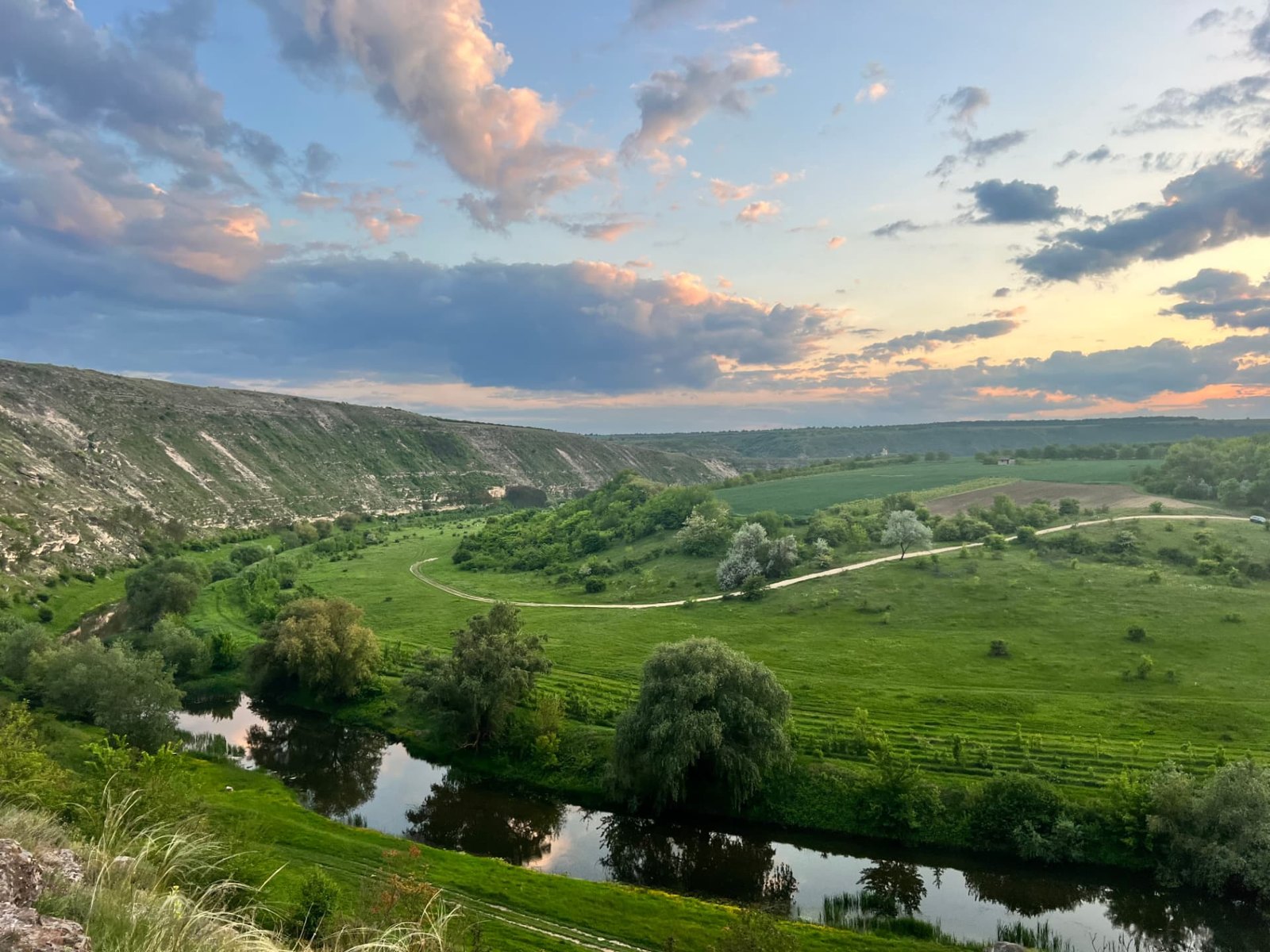
Returning to Moldova for a second year, after a home visit in between, should have felt like a reunion. Instead it felt closer to deja vu. The first year had been defined by not knowing: navigating an unfamiliar language, building an entirely new day-to-day from nothing, staying hyper-aware because almost everything required active figuring-out. The second year arrived with all of that already solved. Familiar streets, familiar routines, familiar hurdles already cleared. It should have felt easier, and in practical terms it was. Emotionally, something was missing: the same wide-eyed awe simply wasn't there to reclaim, because the unknown that had produced it the first time was already gone.
That gap raises the real question: was it Moldova being missed, or the specific chapter of unfiltered curiosity that Moldova happened to hold? Often it's not the place being grieved. It's who a person was before life became routine again, wherever that happened to occur.
The Grief Nobody Warns Travelers About
Leaving a place that held real meaning can produce something close to actual grief, sometimes described in research as place loss, a documented psychological response to separation from a meaningful environment. Study-abroad programs are full of this, unspoken: building an entire life somewhere for a semester, then dismantling it in a matter of days to go home. It's not culture shock exactly. It's closer to a breakup nobody prepared for, complicated further by the awareness that traveling at all is a privilege, which can make the grief feel like something to hide rather than process.
What to Actually Do With the Longing
Identify the real feeling underneath the place. Freedom, curiosity, anonymity, possibility, name the actual thing being missed instead of the geography attached to it.
Recreate a piece of it locally. Language learning, walking without a destination, striking up conversations with strangers instead of consulting an app, small versions of the same ingredients that made the original feeling possible.
Journal the actual question. Who was I there? What did that version of myself do differently than the one showing up at home right now?
Ask what it would take to become that version again without buying a plane ticket. That's the harder, more useful question, and often the more honest one.
Listen to the full episode
Frequently Asked Questions
Why do people miss a place they traveled to more than the people they met there?
Missing a place is often really about missing the version of oneself that existed there. Environmental psychology research on place attachment shows people form genuine emotional bonds with locations tied to identity and memory, which can outlast the specific relationships formed during that time.
What is place attachment in psychology?
Place attachment is a well-documented concept in environmental psychology describing the emotional bond people form with specific locations, commonly explained through a framework involving the person, the place itself, and the psychological process connecting them.
Why are travel memories often more vivid than memories of everyday life?
Novel and unfamiliar experiences increase memory formation because the brain pays closer attention to new input than to routine, which is why a first night in an unfamiliar country tends to be far more memorable than an ordinary Tuesday at home.
Is it normal to grieve leaving a place you traveled to or lived in?
Yes. Psychological research describes place loss as a genuine grief response to separation from a meaningful environment, and it's especially common after extended stays like study-abroad programs, even though it's rarely discussed as openly as other forms of loss.
Why does returning to a place you loved often feel different the second time?
A return visit typically lacks the original unfamiliarity and uncertainty that made the first experience so vivid, since much of what's being sought on return is not the place itself but the heightened curiosity and self-discovery tied to encountering it for the first time.