Your Brain Only Kept Two Moments
A 1996 colonoscopy study and a 1993 pain experiment reveal your best and worst trips are stored by the same two-moment rule: the peak, then the ending.
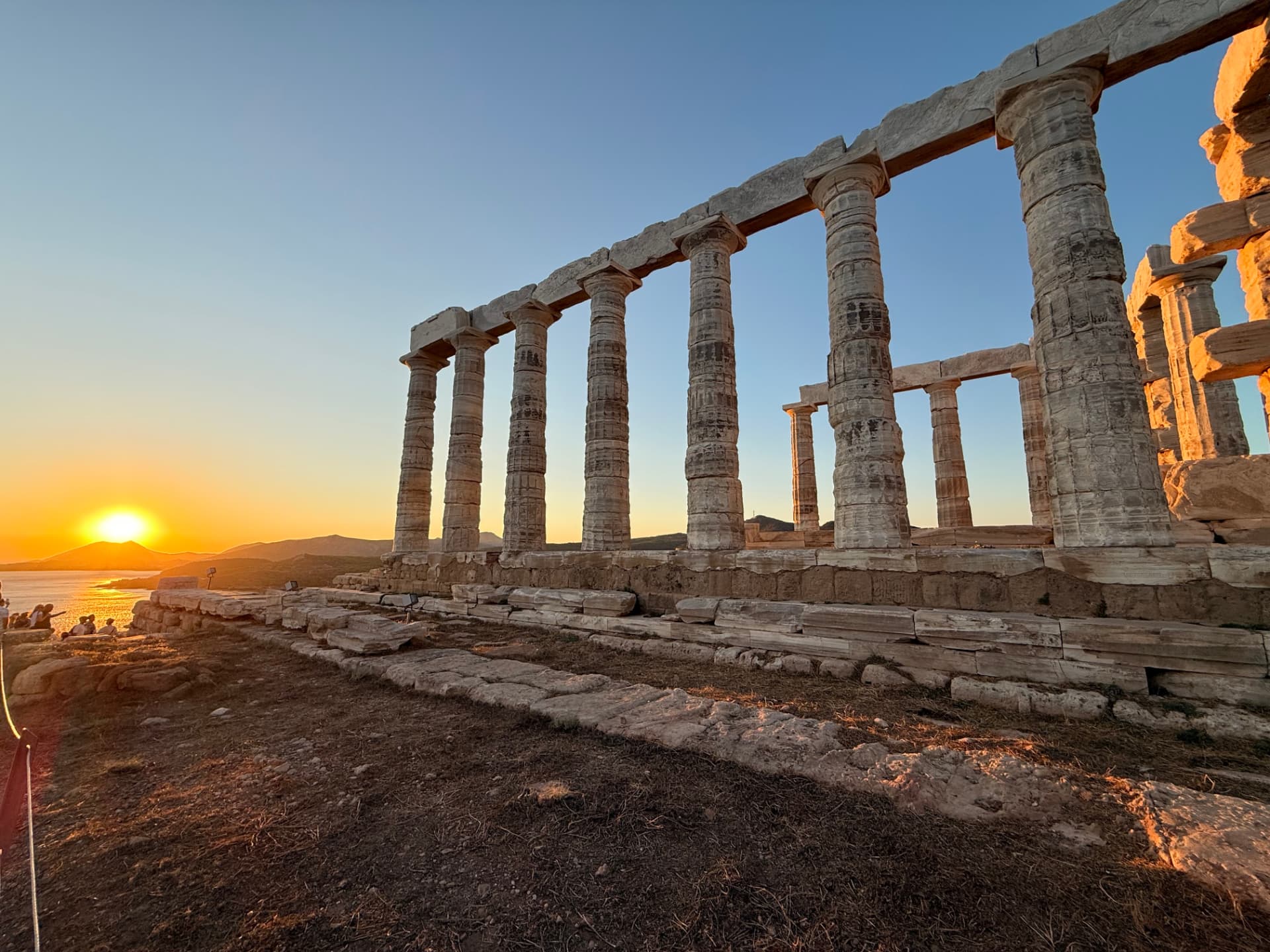
Your memory of a trip isn't built from an average of everything that happened. It's built from two moments.
Your brain stores a trip using its most intense point and how the whole thing ended, not an average of everything in between. Psychologists call this the peak-end rule, and it applies whether the trip was the best one you've ever taken or the worst.
The Stakes
We plan trips as if every day counts equally toward the final verdict. Add a day, subtract a day, upgrade the hotel, cram in one more city. The assumption underneath all of it is that more good hours means a better memory.
That's not how the story gets written. Your brain isn't running a tally. It's sampling two data points and discarding the rest, which means most of what you actually live through on a trip never makes it into the story you tell about it later. This is one of the core findings inside modern travel psychology: the gap between the trip you experienced and the trip you remember.
The Story You'd Tell
Think of the best trip you've ever taken. Now think of the worst one. Different countries, different years, probably different people. You'd never confuse the two. Here's the uncomfortable part: your brain used the exact same shortcut to store both of them.
Take a short trip to Bulgaria for a conference. To save money on the flight home to Moldova, the plan was the classic budget-traveler move: skip the late checkout, skip the early flight, and just walk around Sofia for a few hours with a suitcase in tow instead. Somewhere in a park, checking a departure time under a tree, a bird solved the boredom problem by pooping directly on her head. No amount of scrubbing in an airport bathroom fixed it before the flight.
That's the whole trip now. Not the sessions, not the walking, not the actual work of the conference. Two moments: singing "Bad Romance" at karaoke with colleagues, and a bird ruining a very good hair day. The peak, and the ending. Everything else, gone.

What the Research Actually Found
The clearest demonstration of this didn't come from a vacation. It came from a colonoscopy. In 1996, Donald Redelmeier and Daniel Kahneman published a study in the journal Pain that tracked patients' real-time pain ratings during the procedure, then compared those ratings to how patients remembered the pain afterward.
Total duration barely mattered. What predicted the remembered pain was:
- The peak — the single most intense moment of the procedure
- The end — the intensity in the final few minutes
Patients whose procedure ran longer but ended more gently remembered less pain overall than patients whose shorter procedure ended sharply, even though the longer group objectively endured more total pain.
Duration Neglect
That finding builds on an earlier study. In 1993, Kahneman worked with Barbara Fredrickson, Charles Schreiber, and Redelmeier on a cold-water experiment published in Psychological Science. Participants held one hand in painfully cold water for 60 seconds, and the other hand in the same water for 60 seconds followed by 30 more seconds as it was very slightly warmed, still uncomfortable, just less so.
Most participants chose to repeat the longer trial. They preferred more total pain because it ended better. Researchers call this duration neglect: the length of an experience has almost no effect on how it's remembered, and the ending quietly runs the show.
Kahneman later built this into a broader framework he calls the two selves, laid out in his TED talk on the subject. The experiencing self lives inside each moment as it happens. The remembering self gets consulted afterward, decides whether the trip was worth it, and runs almost entirely on peak and ending.

The Complication
It's tempting to treat this as a hack. Front-load the good stuff, save something great for the last day, and your remembering self will file the whole trip under "great," regardless of what the middle actually held.
But that's a strange trade to make with yourself. It means managing an experience for the benefit of a self that isn't there yet, at the expense of the self actually living it, day by day, in the moment. The eight forgettable Tuesday-afternoon hours you spent mildly lost or waiting for a train were still real. They still happened to you. The fact that your remembering self will never file them anywhere doesn't mean your experiencing self didn't need them.
The Question Worth Sitting With
The next time you're in the unremarkable middle of a trip, not the peak, not the ending, just an ordinary stretch of hours that will probably never make it into the story, ask yourself which self you're actually there for.

Listen to the full episode
Frequently Asked Questions
What is the peak-end rule?
The peak-end rule is a finding in memory research showing that people judge a past experience mainly by its most intense moment and how it ended, largely ignoring the rest of the experience, including its actual length.
Why don't we remember most of a vacation?
Research on duration neglect shows the length of an experience has almost no effect on how it's remembered afterward. A three-day trip and an eight-day trip with the same peak and the same ending tend to be recalled as nearly identical.
What is duration neglect?
Duration neglect is the finding, from a 1993 study by Kahneman, Fredrickson, Schreiber, and Redelmeier, that the total length of an experience barely factors into how positively or negatively it's remembered afterward.
Does a trip's ending matter more than the rest of the trip?
According to peak-end rule research, yes. A rough trip that ends well tends to get remembered fondly, and a great trip that ends badly can be remembered as a disappointment, regardless of how the rest of the days actually went.
Can you use the peak-end rule to plan a better trip?
In theory, structuring a trip's final day around something meaningful can shape how the whole trip gets remembered later. But doing this deliberately means optimizing for the version of you that reflects on the trip afterward, not the version of you actually living it day to day.