You're Not Visiting Nature. You're Trespassing in It. That's the Point.
A conversation with backcountry hiker Melanie Katz, plus research on awe and attention restoration, explains why a silent overlook can outdo any landmark tour.
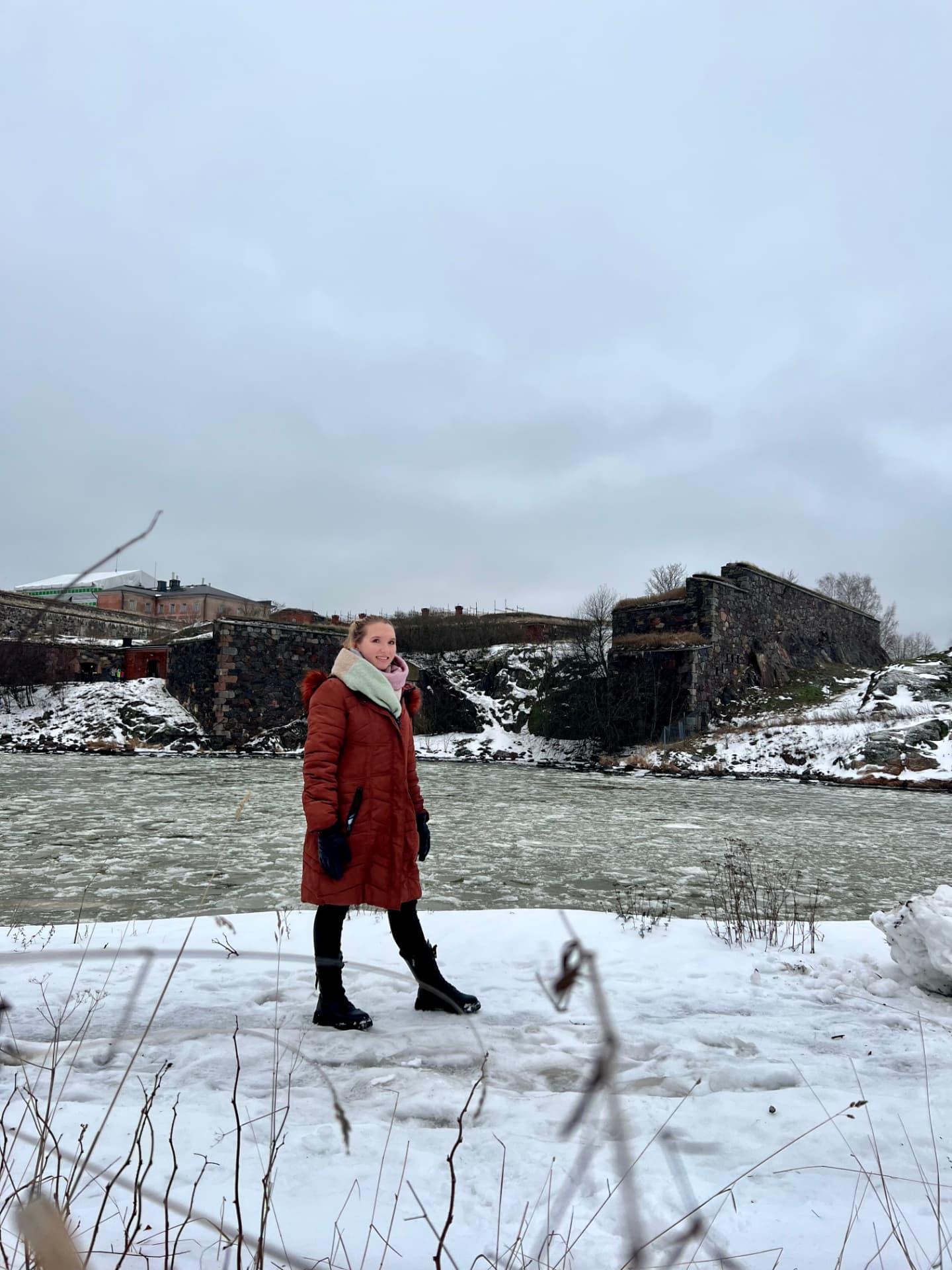
No famous landmark. No guided tour. No bucket-list attraction, no line, no plaque. Some of the most transformative travel moments happen in places where, on paper, nothing is happening at all. A mountain trail. A desert overlook. A sunrise nobody else saw and nobody posted.
Remote, undeveloped natural environments often produce deeper transformation than curated tourist attractions because they require actual effort to reach, remove digital distraction entirely, and induce awe, a specific emotional response tied to feeling genuinely small against something vast. Curated attractions rarely ask enough of a visitor to produce either effect.
A Conversation Worth Having Off the Main Circuit
Melanie Katz, a dentist, entrepreneur, and EMT, spent years exploring Utah's backcountry, national parks, and remote wilderness while in dental school there. Two moments stand out from that time as genuinely transformative, and neither happened at a marquee attraction.
The first was Monument Valley at sunset, an experience Katz describes as close to spiritual: quiet, only a handful of other people present, standing on land tied to Navajo history that predates any of them by centuries. "It just kind of put things into perspective of where we are, and how big it is, and how small we are," she said. "Everything's gonna be okay." The second was summiting past 12,000 feet in Utah's remote High Uinta wilderness, an experience that came with a real physiological lesson in hypoxia and a specific realization: "the environment you're in doesn't care that you're there. You're trespassing in nature, in a way, and you have to respect it." That respect, done responsibly, with backcountry maps, supplies, and a plan communicated to people back home, became something closer to a discipline than a hobby.
Why Undeveloped Places Hit Differently
There's real psychology behind why places with nothing scheduled often outperform places with everything scheduled. Attention Restoration Theory, developed by researchers Rachel and Stephen Kaplan, identifies specific conditions under which natural environments restore depleted attention and reduce mental fatigue: a genuine sense of being away from ordinary demands, a landscape expansive enough to feel like its own self-contained world, and stimuli that hold attention effortlessly rather than through algorithmic urgency.
Vast, remote landscapes also reliably produce awe, an emotional response researchers Dacher Keltner and Jonathan Haidt define through two components: a sense of vastness relative to oneself, and the mental work of accommodating something that doesn't fit existing frameworks. Awe research consistently links this "small self" feeling to something close to what Katz described at Monument Valley: a quieting, a reordering of scale, and a documented association with greater generosity and connection to something larger than the immediate moment.
Why Curated Travel Rarely Produces the Same Effect
"There's a lot of superficial gratification" in heavily marketed tourist experiences, Katz said, "curated towards a certain amount of people to get a certain message across." A landmark handed over easily, with a parking lot and a gift shop attached, delivers something closer to a quick dopamine spike than lasting transformation. The reward in remote travel isn't just the destination. It's the planning, the physical effort, the adjustment required to get there at all. Immediate gratification fades fast. Working toward something tends to stay.
This also explains why AI and social media travel planning quietly reinforce the same small set of destinations. Remote, under-documented places generate less content, which means recommendation algorithms have less to work with, which means fewer people ever hear about them in the first place. Discomfort plays a role too: no cell service, no immediate safety net, nothing "proven" by a thousand identical posts. For a lot of travelers, that unfamiliarity alone is enough of a deterrent to keep the same well-worn trailheads crowded and everything else quiet.
This Doesn't Require a Passport
None of this requires international travel. Katz pointed to something as ordinary as New York City, a place most people assume they already know completely: Times Square, the Empire State Building, the obvious circuit. Off that circuit exists an entire other city, abandoned subway tunnels, guided rat tours, communities and histories most visitors, and plenty of residents, never encounter. Off the beaten path isn't a geography. It's a decision to keep going past the first obvious answer, wherever that happens to be.
Doing This Safely and Responsibly
None of this is an argument for underprepared risk-taking. Remote hiking requires real planning: backcountry maps, adequate water and supplies, timing accounted for, and someone back home aware of the route and return time. It also requires the same leave-no-trace principle that applies to any wild or historically significant land: visit in a way that leaves it intact for whoever comes next.
The Actual Invitation
Somewhere close by, underexplored precisely because it isn't marketed hard enough to show up in a feed, is probably still there. The next transformative trip might not require a flight. It might just require going somewhere quiet enough that nothing is telling you what to feel about it.

Listen to the full episode
Frequently Asked Questions
Why do remote natural experiences often feel more transformative than typical tourist attractions?
Remote environments require real effort to reach, remove digital distraction, and tend to induce awe, an emotional response tied to feeling small against something vast. Curated tourist attractions are generally accessible with minimal effort, which limits both the psychological restoration and the awe response that harder-earned experiences produce.
What is Attention Restoration Theory?
Attention Restoration Theory, developed by researchers Rachel and Stephen Kaplan, proposes that certain natural environments help restore depleted mental focus through a genuine sense of being away from daily demands, a landscape that feels like its own world, and stimuli that hold attention effortlessly.
What is the psychology of awe, and why does it matter for travel?
Awe is an emotional response to something that feels vast relative to oneself and doesn't fit existing mental frameworks, as defined by researchers Dacher Keltner and Jonathan Haidt. It produces a "small self" effect linked to greater generosity and a stronger sense of connection, which is part of why vast, remote landscapes can feel more meaningful than curated attractions.
Why don't AI travel tools and social media recommend more remote destinations?
Remote and undeveloped places generate far less online content and documentation, which means recommendation algorithms and AI planning tools have less data to draw from, reinforcing the same small set of already-popular destinations rather than surfacing lesser-known ones.
How can someone safely explore remote or backcountry destinations?
Safe backcountry travel requires real preparation: physical maps in case of no cell service, adequate water and supplies, a realistic timeline, and sharing the planned route and return time with someone who isn't on the trip.