She Didn't Try Harder to Connect in Moldova. She Just Had Nowhere Else to Go.
No crowds. No tourists. Almost no English. The founder of Put the Guidebook Down explains why a country with nothing built for visitors ended up teaching her the most about genuine connection.
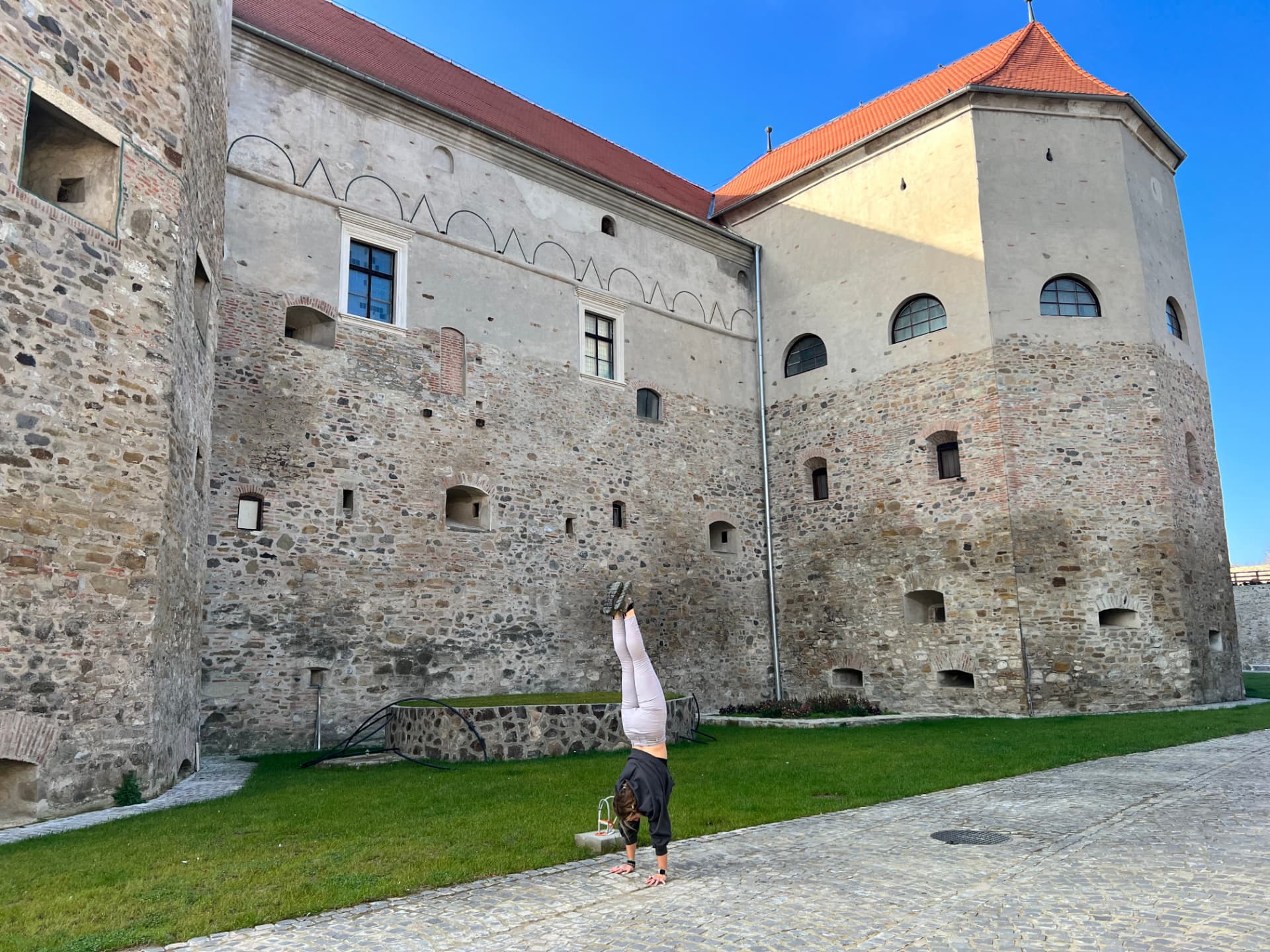
Two Fulbright English Teaching Assistant placements. A Boren Fellowship. Three years living abroad, more than 40 countries, 20 U.S. states, four continents, most of it in places rarely near the top of anyone's list. That resume reads like the profile of someone who mastered the art of immersive travel through sheer effort and discipline. The real explanation is less flattering to the effort narrative and more useful to everyone else: the deepest connection came from a country that simply didn't give her any other option.
Genuine cultural immersion is often assumed to be a product of intention, motivation, and doing the work. In practice, it's frequently produced by something closer to the absence of alternatives: a place with no tourist infrastructure to retreat into removes the comfortable middle ground most destinations offer, and default behavior shifts toward real engagement not because someone chose it, but because nothing else was available.
The Founding Fact
The bio behind this show is straightforward on paper: two separate Fulbright English Teaching Assistant placements to Moldova, a Boren Fellowship to Indonesia, three cumulative years living abroad. What doesn't show up in a résumé line is the specific moment that actually produced the idea for a cultural-travel platform in the first place, sitting in Moldova roughly three months into the first placement, trying to name why the connection there felt so much deeper than anything from a normal trip, deep enough to justify coming back for an entire second year. The founding insight wasn't a strategy. It was a question asked in hindsight: why did this particular place work on me the way it did, when so many other places hadn't?
What Was Actually Missing
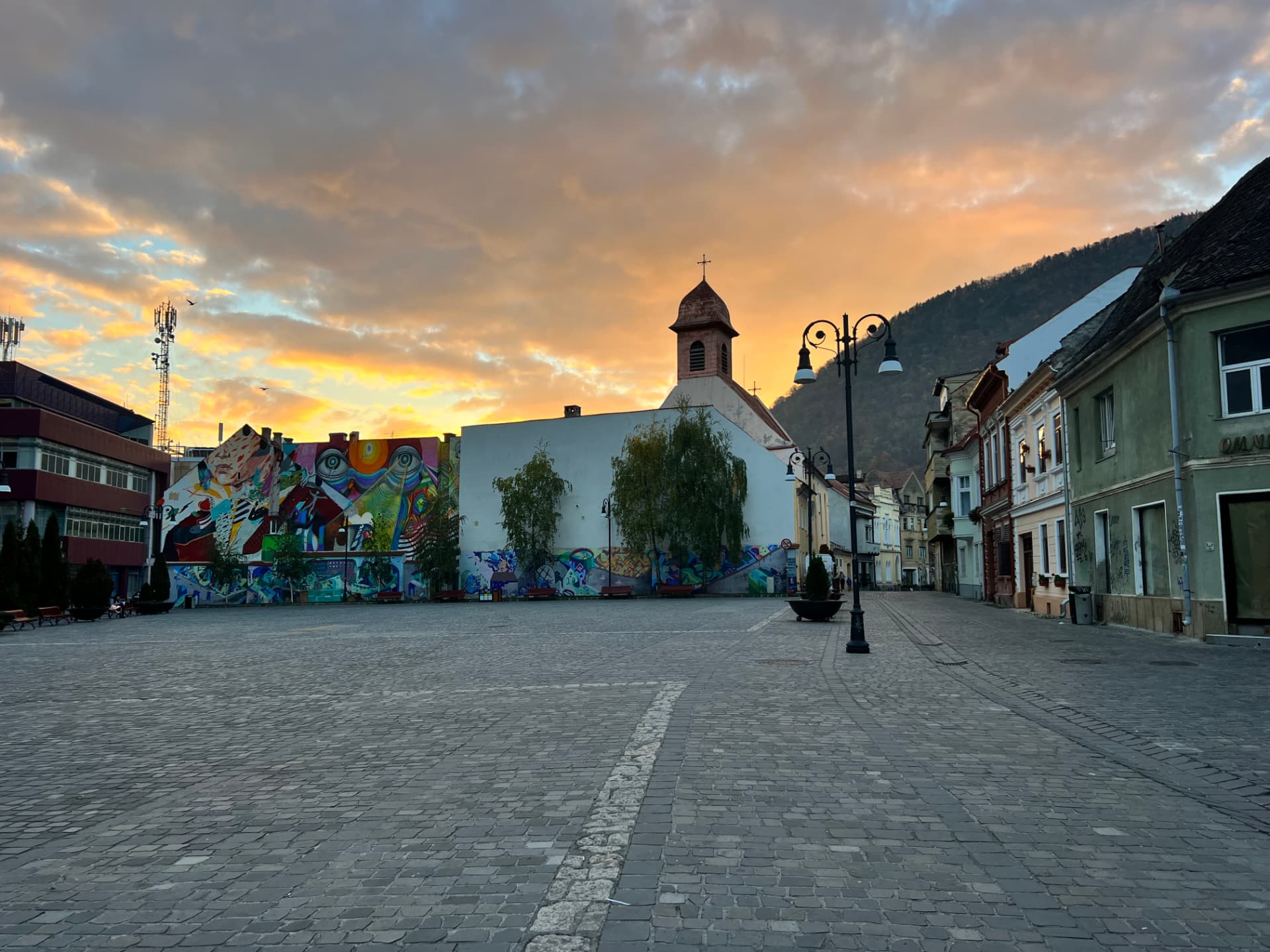
The answer that kept surfacing wasn't about anything Moldova had. It was about what it didn't have: no crowds, no tourist infrastructure built around visitors, almost no English spoken outside of a small circle. Most travel advice treats those absences as obstacles to plan around. They turned out to be the actual mechanism. There was no curated, English-speaking, visitor-facing version of the country available to retreat into when things got uncomfortable or unfamiliar, which meant the only version on offer was the real one, encountered without a buffer.
The Bubble Most Destinations Build for You
There's a well-documented concept in tourism research that names exactly what was missing. Sociologist Erik Cohen described what he called the environmental bubble: a familiar, comfortable microenvironment that tourism infrastructure builds inside an unfamiliar destination, English-language signage, international hotel chains, restaurants serving recognizable food, tour groups that never require independent navigation, all of it allowing a visitor to experience a diluted version of a place while staying insulated from most of its actual friction. The bubble isn't a conspiracy. It's a genuinely useful comfort mechanism, and most of the global travel industry exists specifically to build and maintain it. The problem it creates is subtler: the more available the bubble is, the easier it becomes to stay inside it the entire trip without ever quite noticing.
Why Removing the Escape Hatch Changes Behavior
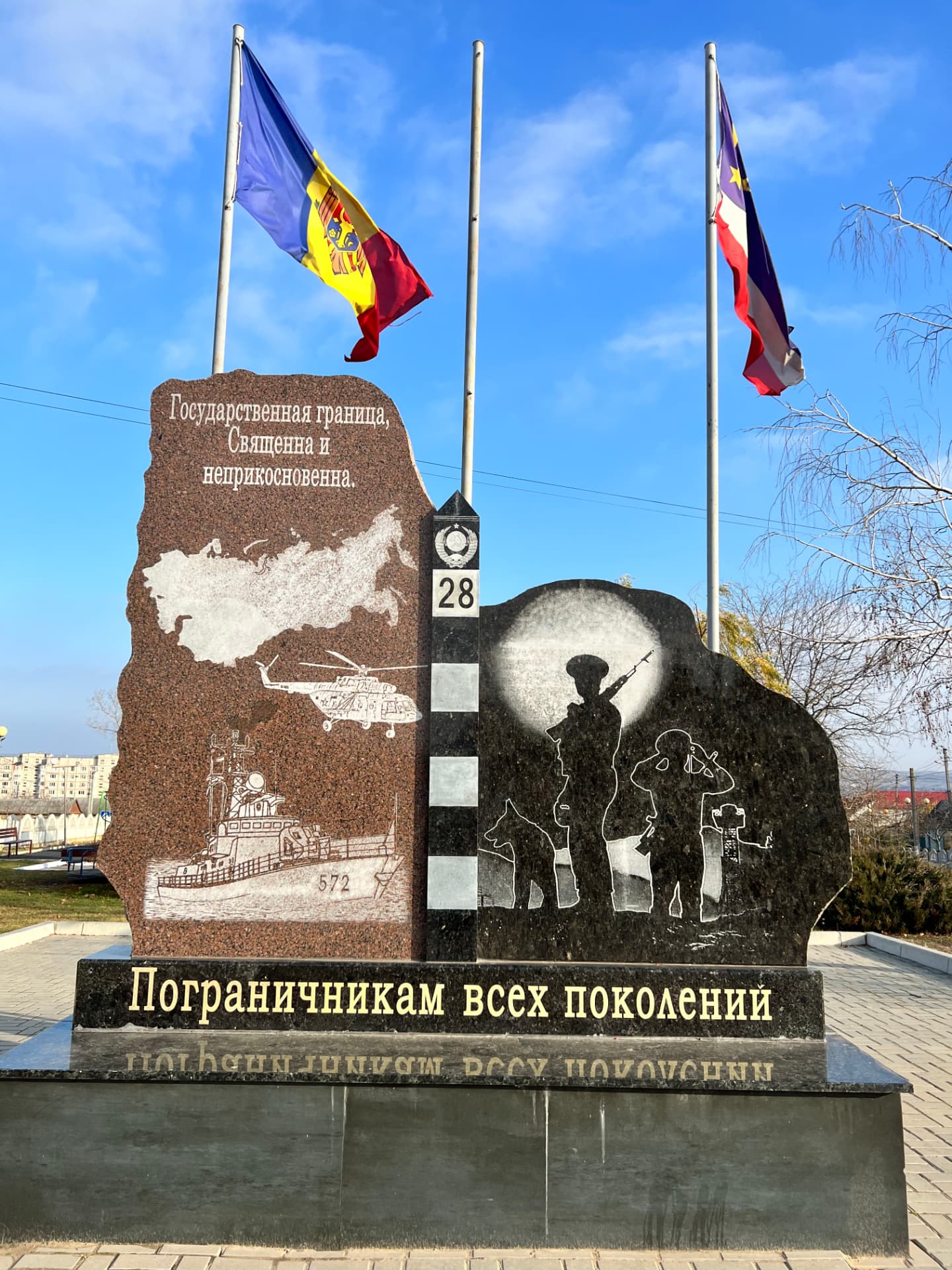
Moldova simply didn't have much of a bubble to offer. That absence didn't require any particular virtue to respond to correctly, no special discipline or resolve. It just removed the easier option, which meant ordinary daily behavior, buying groceries, asking for directions, sitting through a conversation that couldn't be shortcut with a translation app held up like a shield, defaulted toward real engagement because there was nothing else on the table. This is a genuinely different mechanism than choosing the "deeper" option out of good intentions. It's what happens when the shallow option simply isn't available, and it explains why immersion in a place like this can feel less like an accomplishment and more like something that happened almost by default.
What This Actually Means for Anywhere Else
Most people can't relocate to a country with no tourist infrastructure for two years to test this theory personally, and this show was never going to ask anyone to. But the underlying mechanism scales down. The bubble isn't a fixed feature of a destination. It's a set of choices available at every stop along a trip, and most of them can be individually declined: the familiar chain restaurant, the hotel shuttle that skips the walk, the headphones that turn a train car into a private space, the instinct to default to English before even trying otherwise. Manufacturing a smaller version of what Moldova did by default, deliberately removing one comfortable option at a time, is a workable substitute for a place that simply doesn't offer the comfortable option in the first place.
Why This Show Exists
The original language for describing this idea, learning to be a "traveler" instead of a "tourist," was the framing this show launched with. That language has aged into something more precise since: cultural travel isn't really a personality someone adopts or a checklist someone completes. It's what happens by default once the comfortable alternatives get removed, deliberately or by circumstance, and someone is left with only the actual place in front of them. Moldova didn't teach a lesson about trying harder. It taught a lesson about what happens when trying harder stops being optional, which turned out to be the entire reason this show exists.
Listen to the full episode
Frequently Asked Questions
Why does traveling somewhere with little tourist infrastructure often lead to deeper cultural connection than traveling somewhere built for visitors?
Places with minimal tourist infrastructure remove the comfortable, insulated alternatives most destinations offer, such as English-language services and familiar international chains. Without those alternatives, everyday interactions default toward genuine local engagement rather than a curated visitor experience.
What is Erik Cohen's "environmental bubble" theory?
Sociologist Erik Cohen described the environmental bubble as a familiar, comfortable microenvironment that tourism infrastructure creates within an unfamiliar destination, allowing visitors to experience a place while remaining insulated from much of its cultural friction and unpredictability.
Does deeper cultural immersion require strong willpower or special effort?
Not necessarily. In destinations with little tourist infrastructure, immersive behavior can emerge simply because more comfortable, insulated alternatives aren't available, rather than requiring exceptional discipline or motivation on the traveler's part.
How can travelers experience more genuine cultural immersion somewhere with a lot of tourist infrastructure?
Deliberately declining some of the available comfortable options, such as skipping a familiar chain restaurant, avoiding a hotel shuttle in favor of walking, or resisting the default to English before attempting the local language, can recreate some of the same conditions that naturally produce immersion in destinations with less tourism infrastructure.
What inspired the creation of Put the Guidebook Down (formerly Kultura Travel)?
The show grew out of two Fulbright English Teaching Assistant placements in Moldova and a Boren Fellowship in Indonesia, and specifically from reflecting on why a country with almost no tourist infrastructure produced a far deeper sense of connection than more conventional travel destinations had.