Ask What a Memory Meant, and You'll Get One Answer. Ask What It Did, and You'll Get Three.
A dinner table in Indonesia. Chaotic traffic in India. A methodology for understanding why some memories won't let go, built on holding three different lenses at once instead of picking a favorite.
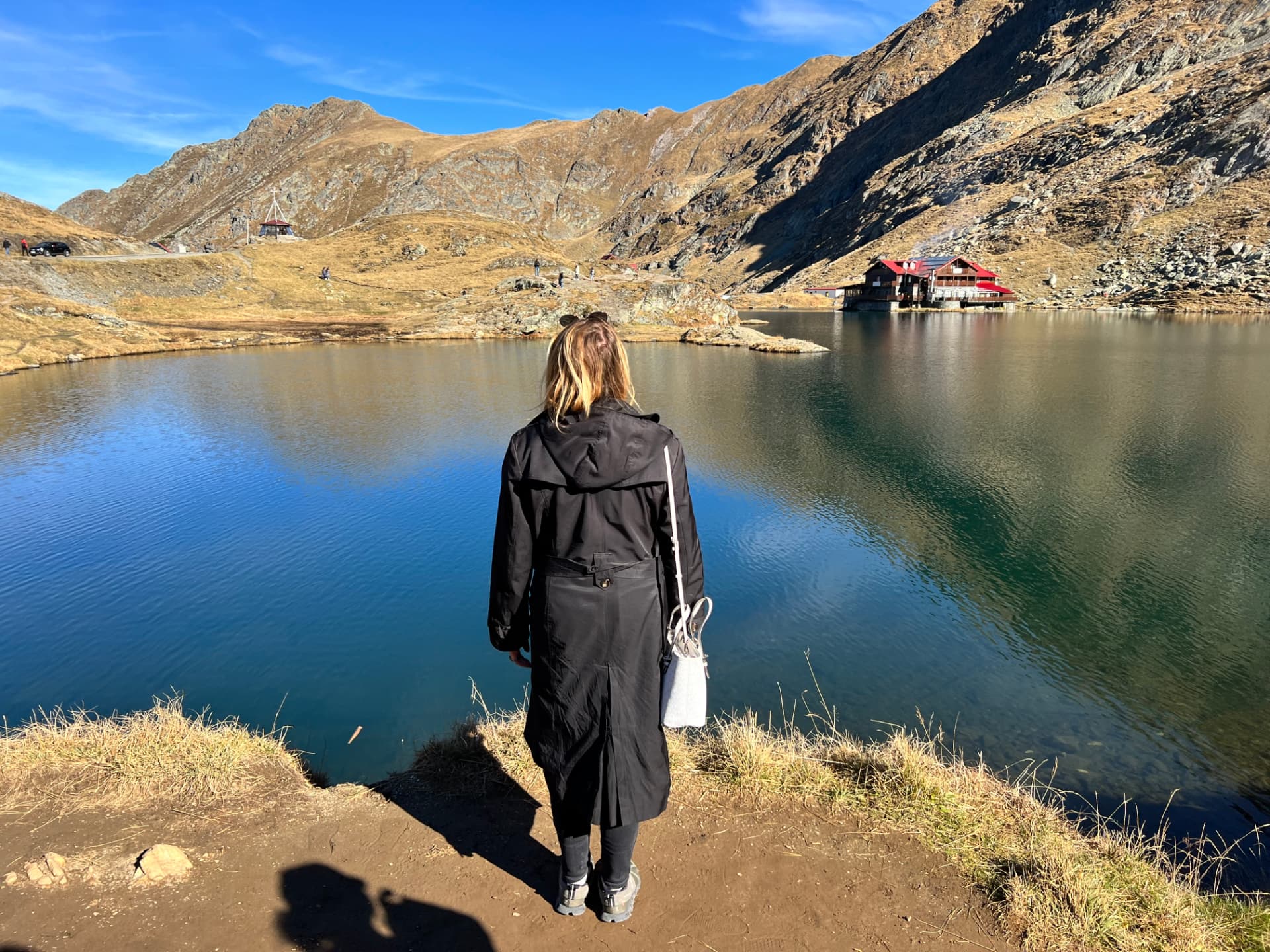
No single word has ever fully explained why a place won't leave you alone. Nostalgia gets reached for constantly, a tidy label that sounds like it closes the case. It doesn't. The feeling stays open long after the word gets used, because the word was only ever describing one piece of what actually happened, and flattening a complicated experience into one clean explanation quietly discards the part that made it complicated, and worth remembering, in the first place.
A single travel memory typically operates on at least three separate levels simultaneously: what it did to memory itself, who it allowed someone to become in the moment, and what would survive if that same moment got translated into shareable content. Most travel writing, video, and reflection picks one of these lenses and treats it as the whole story, not because it's the most accurate account, but because a single lens is faster to produce and easier to package than holding all three at once.
The Explanation That Never Actually Closes
Reaching for a single word, nostalgia, meaning, connection, functions like reaching for a case-closed stamp. It resolves the discomfort of not having language for a feeling, and then the conversation moves on. The problem isn't that the word is wrong. It's that it's incomplete, and incomplete explanations get treated as finished ones far too often, not just about travel, but about grief, career changes, the end of a friendship, any experience large enough to reorganize a person. The one-sentence version survives because it's easier to repeat at a dinner party than the messier, truer one.
What India Taught by Refusing to Be Understood
A trip to India made this concrete in an uncomfortable way at first. The traffic, the pace, the sheer volume of day-to-day chaos from an outsider's vantage point resisted every foreign framework brought to make sense of it. The trip only became genuinely enjoyable once the effort to impose an outside logic on it stopped entirely, once observation replaced the instinct to explain. What had looked like chaos wasn't actually disordered. It simply didn't match an imported definition of order, and the discomfort disappeared the moment the definition did instead of the place.
Three Questions Instead of One
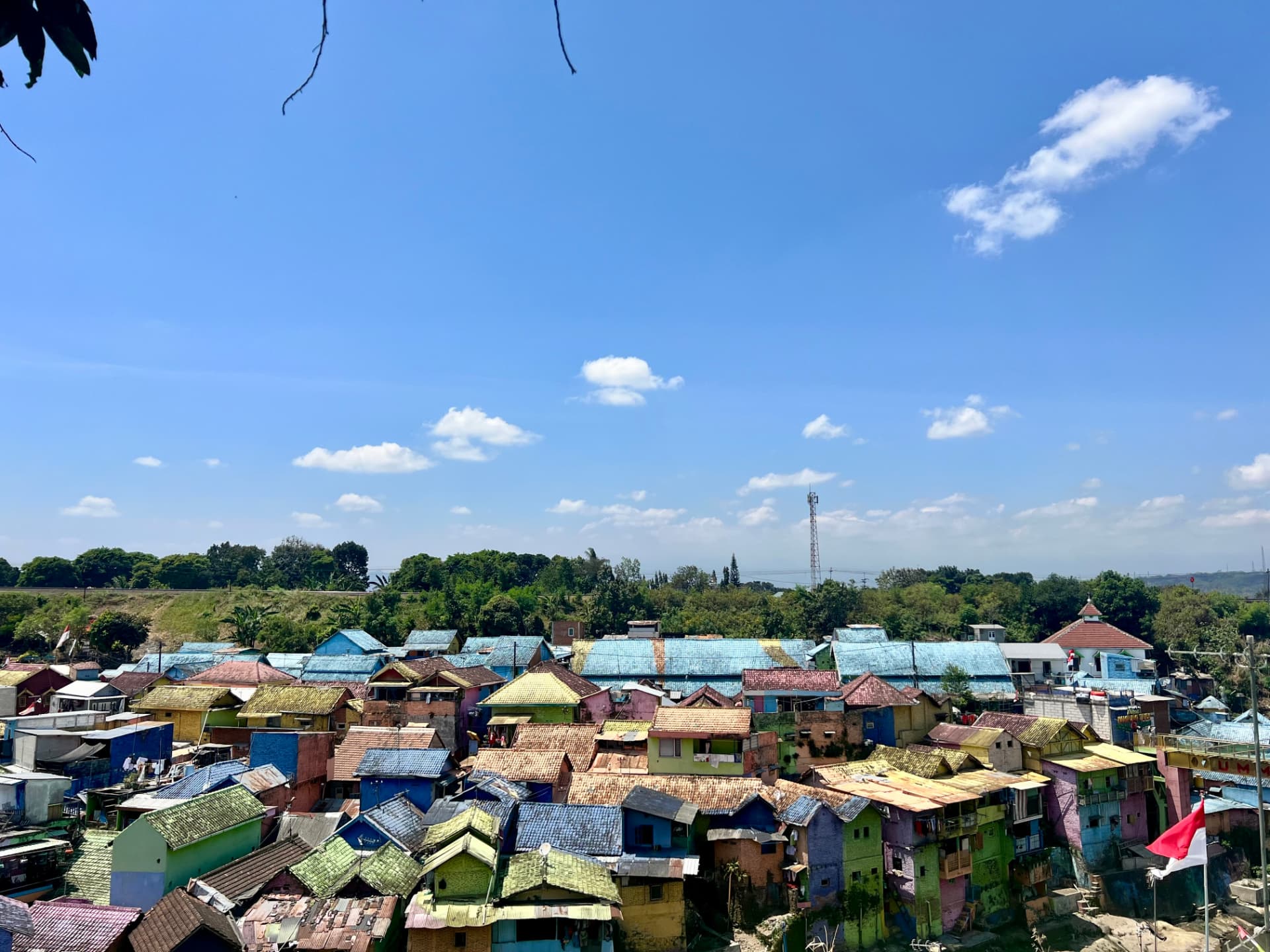
Two years after Moldova, a few months living in Malang, Indonesia, produced a similar pattern, but with clearer edges. The moments that resurface first when Malang comes to mind aren't the standout sights across East Java or Bali. They're evenings at the dinner table gossiping in Bahasa Indonesia with host parents, and afternoons trying new cafes with local friends, ordinary in almost any other context. Run that same memory through three separate questions and three separate, equally true answers appear. What did it do to memory: an unfamiliar environment, a non-native language, and a flood of new information running simultaneously kept the brain working overtime, which is precisely the kind of heightened emotional-arousal state that neuroscience research has linked to stronger, more durable memory consolidation, one of the recurring subjects inside modern travel psychology. Who did it let someone be: a guest approaching each conversation with open curiosity, a posture that's far harder to sustain inside a familiar environment already carrying the weight of routine stress and social expectation. What would it become as content: ordinary b-roll, people talking at a table, none of the internal processing or emotional weight surviving the translation into something postable, quietly judged a "bust" by whatever audience happens to scroll past it.
The Industry's One-Lane Problem
Travel media generally picks a single lane and stays in it: psychology, or culture critique, or personal identity, because a consistent lane is easier to brand and easier to produce on a weekly schedule. That's not a confession aimed at any one outlet. It's a structural admission: this show built three pillars on purpose, for exactly that reason, and pillars are still a form of picking a lane. Looking at a trip through only one lens doesn't simplify the story. It quietly discards whatever doesn't fit that lens and calls the remainder the whole picture, which is a very different thing from actually simplifying anything.
The Harder Practice
Having three available lenses isn't the same as using them. The easy version of "holding multiple lenses" is picking whichever one happens to fit the essay already being written, which is the one-lane problem wearing a disguise. The actual practice is noticing that the memory answer, the identity answer, and the critique answer are all happening to the same person in the same moment, and that none of the three is more real than the others just because it's more convenient to write about. That's a genuinely harder habit to sustain than it sounds, because it means resisting the pull toward whichever answer already confirms the point someone set out to make.
The Question Worth Sitting With
The next time a specific memory or location refuses to leave, the useful move isn't asking what it means. It's asking three separate things: what did it do to memory, who did it let you be, and what would survive if it got turned into content for someone else to watch. Whichever of those three questions feels most tempting to skip is usually the one that actually deserves the most attention, because the instinct to skip it is often the same instinct that produces the flattened, one-lane version of the story in the first place.
This essay was first published as a written companion piece, not a spoken episode: Read the original on Substack · Subscribe for new essays
Frequently Asked Questions
Why does a single explanation, like nostalgia, never fully capture why a travel memory stays with someone?
A meaningful travel memory usually operates on multiple levels at once, affecting memory formation, personal identity, and how the experience could be represented as content. A single-word explanation like nostalgia only captures one of these dimensions, leaving the rest of the experience unaccounted for.
Why do ordinary moments, like a dinner conversation abroad, sometimes become someone's most vivid travel memories?
Unfamiliar environments, non-native languages, and high volumes of new information tend to put the brain into a heightened processing state, which is associated with more vivid memory encoding, even for otherwise "ordinary" moments like a shared meal or casual conversation.
Why does most travel content focus on only one angle, like psychology or culture critique?
Focusing on a single lens or theme is generally easier to brand, produce consistently, and package for an audience. While this creates clarity for a show or publication, it can also mean discarding other equally valid dimensions of an experience, such as its effect on identity or its resistance to being turned into shareable content.
How can travelers process a meaningful experience more fully?
Instead of trying to summarize a meaningful memory in a single sentence or explanation, asking multiple distinct questions, such as how it affected memory, who it allowed you to become, and what would be lost if it were turned into content, can reveal a fuller and more accurate picture of the experience.
What does it mean to "hold multiple lenses at once" when reflecting on travel?
It means resisting the temptation to pick whichever interpretation is most convenient or fits a predetermined narrative, and instead recognizing that memory, identity, and critique can all be simultaneously true and relevant to the same experience.