You Can Be Surrounded by People and Still Never Actually Arrive
Research on social media and social isolation, plus the real difference between connection and belonging, explain the loneliness paradox at the center of modern travel.
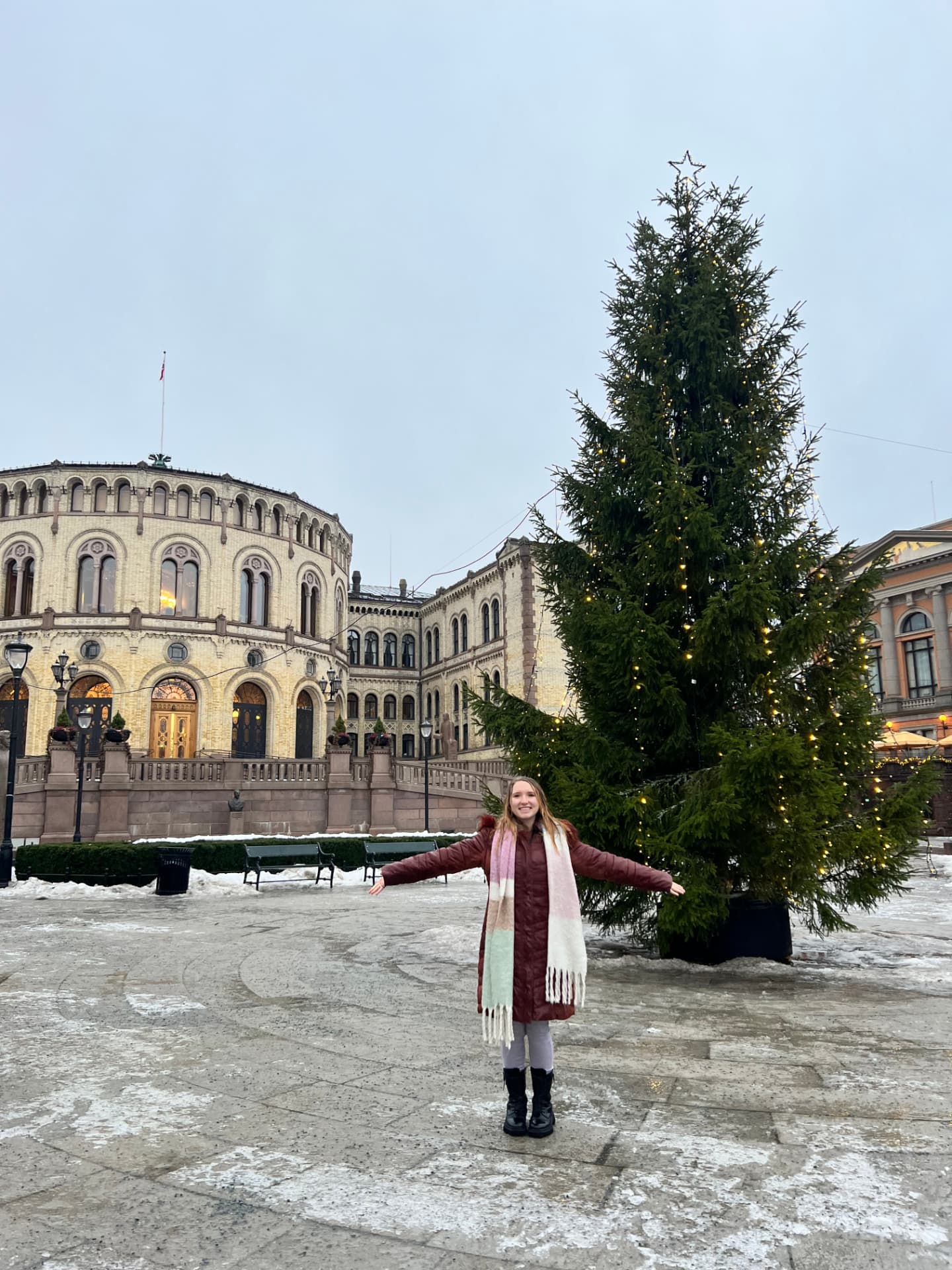
A packed hostel common room. A crowd at a famous overlook. And still, somehow, completely alone. Travel gets sold as connection: solo travelers finding their people, digital nomads building global communities, strangers turning into lifelong friends. Plenty of travelers report the opposite. Isolation, homesickness, a specific kind of emotional exhaustion. The problem usually isn't a lack of people. It's the kind of contact being mistaken for connection.
Meeting people while traveling and actually knowing them are two different things, and travel culture consistently markets the first as if it were the second. Research on heavy social media use has found it correlates with increased perceived social isolation, not decreased, which helps explain why travelers can stay in constant digital contact and still feel profoundly alone.
Meeting People Isn't the Same as Knowing Them
Hostels, tour groups, meetups: travel manufactures constant opportunities to meet people, and plenty of those interactions are genuinely great. Some turn into real friendships or unexpected collaborations. Most stay surface-level, not because anything went wrong, but because there's simply too much stimulation, too many people passing through, too little runway before everyone scatters to different cities.
That's not a personal failure. It's a mismatch of pace, and it becomes obvious the moment travel style changes. Living in Moldova and in non-touristy corners of Indonesia meant locals frequently initiated conversation, curious, engaged, sometimes just because a foreigner speaking their language stood out. Arriving later in a heavily touristed part of Western Europe, Spain among them, flipped that dynamic entirely. Locals there are used to a constant churn of visitors and have no particular reason to initiate anything. Suddenly being the one required to start every conversation is its own kind of reality check: being around people is not the same thing as belonging among them.
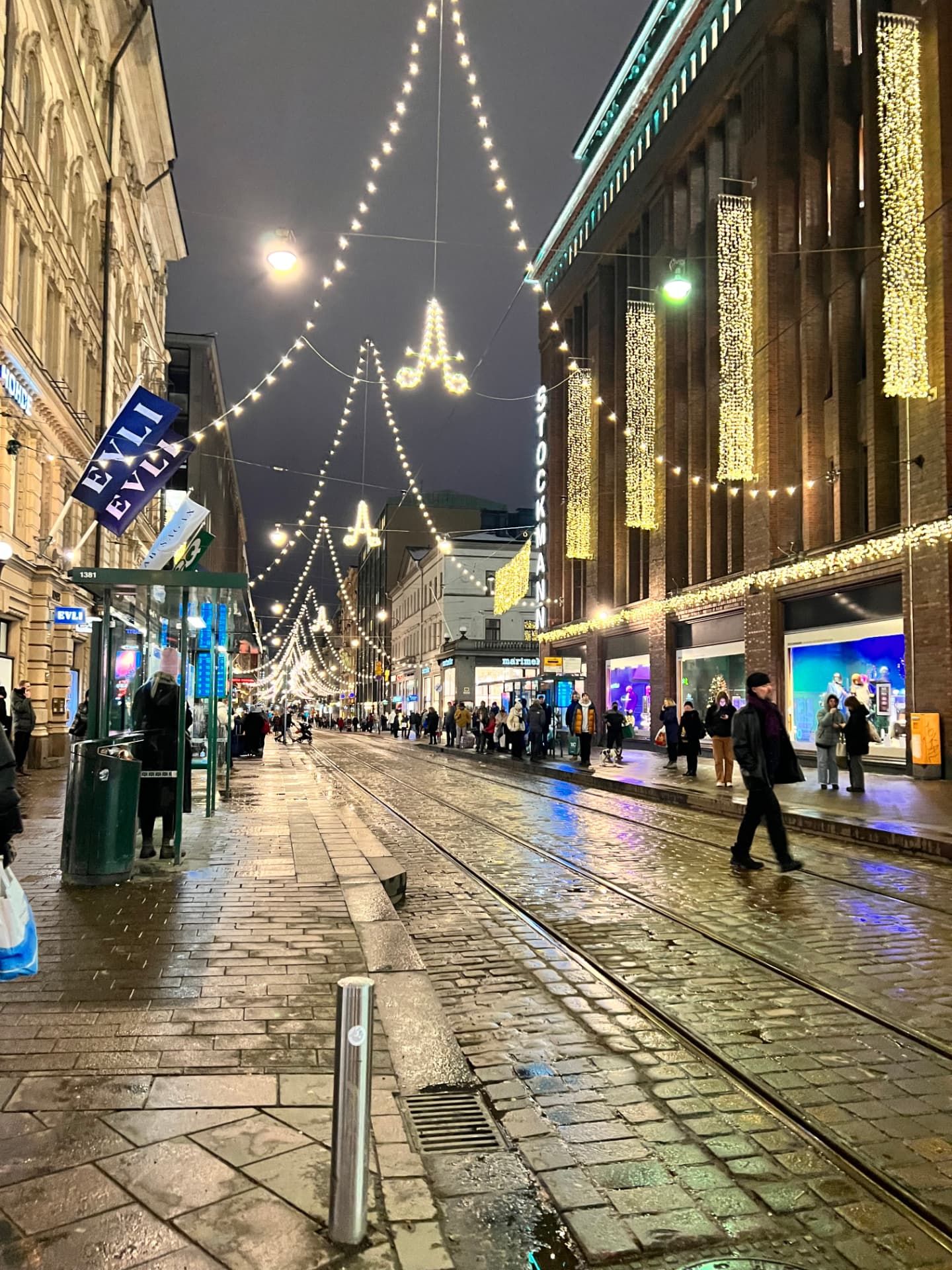
Technology Didn't Solve This. It Changed the Shape of It.
Twenty years ago, travel meant genuinely disappearing: maps, postcards, the occasional letter. Now it's WhatsApp, Instagram, FaceTime, location sharing, a permanent tether to everyone back home. Staying that connected doesn't eliminate loneliness. Research on social media use has found it's associated with increased perceived social isolation, not decreased, even as digital connectivity itself keeps climbing.
There's a specific cost buried in this: time spent maintaining connections back home is time not spent building anything new in the place actually being visited. Constant digital contact with home can mean rarely fully arriving anywhere else. Modern travelers don't always leave home. Sometimes they just relocate their body while staying emotionally anchored to where they started.
Connection Versus Belonging
These aren't the same thing, and travel culture blurs them constantly. Connection is fast, exciting, easy to manufacture in a hostel common room. Belonging is slower, more repetitive, built from staying somewhere long enough to see the same faces, learn the rhythms, take on some shared responsibility, even something as small as haggling at the same market stall week after week instead of a supermarket run.
A friend and fellow traveler, Mike, once set a goal while living in Morocco to meet more than sixty people. The pushback was immediate: what's the actual value of sixty surface-level encounters over a handful of real ones? Prioritizing depth over volume, two genuine connections instead of thirty passing ones, tends to produce far more of what people say they're actually looking for when they imagine finding "their people" abroad.
What Loneliness Is Actually For
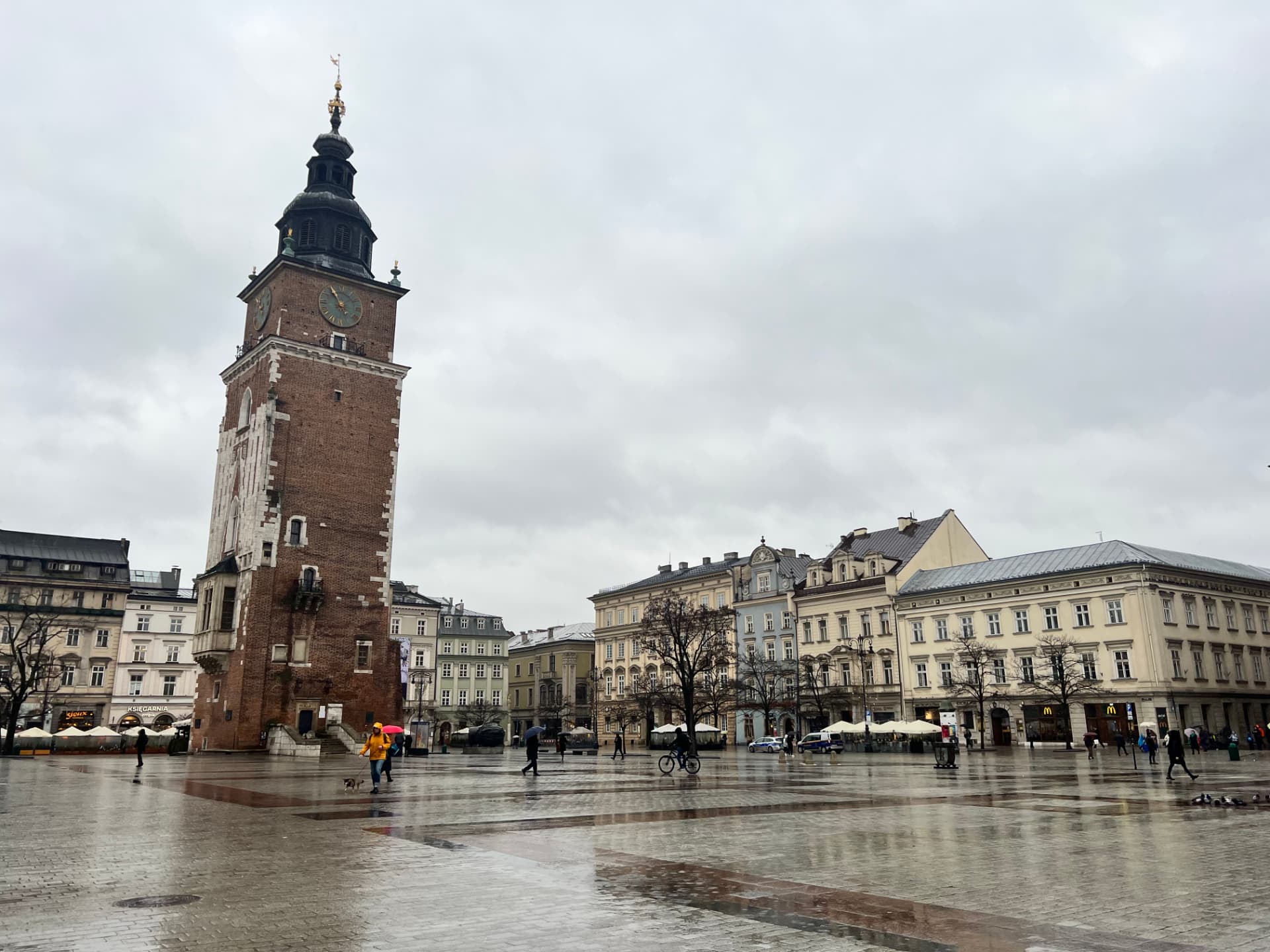
Loneliness while traveling isn't automatically a problem to solve. Sometimes it's the entire point. Removing the usual noise, the job, the routine, the people who already know the full story, leaves nothing to do but sit with actual thoughts and feelings, often for the first time in a while. That discomfort is doing something. It's forcing a kind of self-encounter that a packed schedule back home rarely allows for.
Some of the most meaningful travel moments happen specifically because no one else witnessed them: alone on a train, watching a sunset with no one to show it to, genuinely lost with no one to ask for directions. The goal of travel was never supposed to be eliminating loneliness entirely. It's learning how to actually be with yourself once it shows up.
Building Real Connection Instead of Passing Contact
Create small routines, even abroad. The same cafe, the same market stall, the same faces recognized over time build a sense of belonging that constant novelty can't.
Learn a handful of local phrases. It lowers the barrier to real conversation and signals genuine interest rather than passive tourism.
Choose depth over volume. Two real connections outlast thirty names half-remembered from a hostel common room.
Put down the phone that's still pointed at home. Presence with the place actually being visited requires stepping back from the one still being carried around.

Listen to the full episode
Frequently Asked Questions
Why do people feel lonely while traveling even when surrounded by other people?
Travel creates constant opportunities to meet people, but most of those interactions stay surface-level due to time pressure and overstimulation. Genuine connection requires more time and intention than passing contact provides, which is why loneliness can coexist with being constantly around people.
What is the loneliness paradox of modern travel?
The loneliness paradox refers to the fact that modern travelers are more digitally connected than ever, through messaging apps, social media, and constant contact with home, yet frequently report higher levels of isolation, in part because that connectivity can substitute for building new, in-person relationships.
Does social media use actually increase feelings of loneliness?
Research, including a widely cited study on social media use and perceived social isolation among young adults, has found a positive correlation between heavy social media use and increased perceived social isolation, suggesting more digital connectivity does not reliably reduce loneliness.
What's the difference between connection and belonging while traveling?
Connection tends to be fast and easy to create, like a conversation in a hostel, while belonging is slower and built through repetition: staying somewhere long enough to recognize faces, build routines, and take on some shared responsibility within a community.
How can solo travelers feel less lonely without avoiding time alone?
Building small routines abroad, learning basic local language phrases, prioritizing a few deep connections over many surface-level ones, and limiting constant digital contact with home can all help travelers feel more genuinely present and connected without eliminating valuable solitude.